 AGreenNest
Plant Care Accessories
Mix Your Own Gritty Succulent Soil at Home
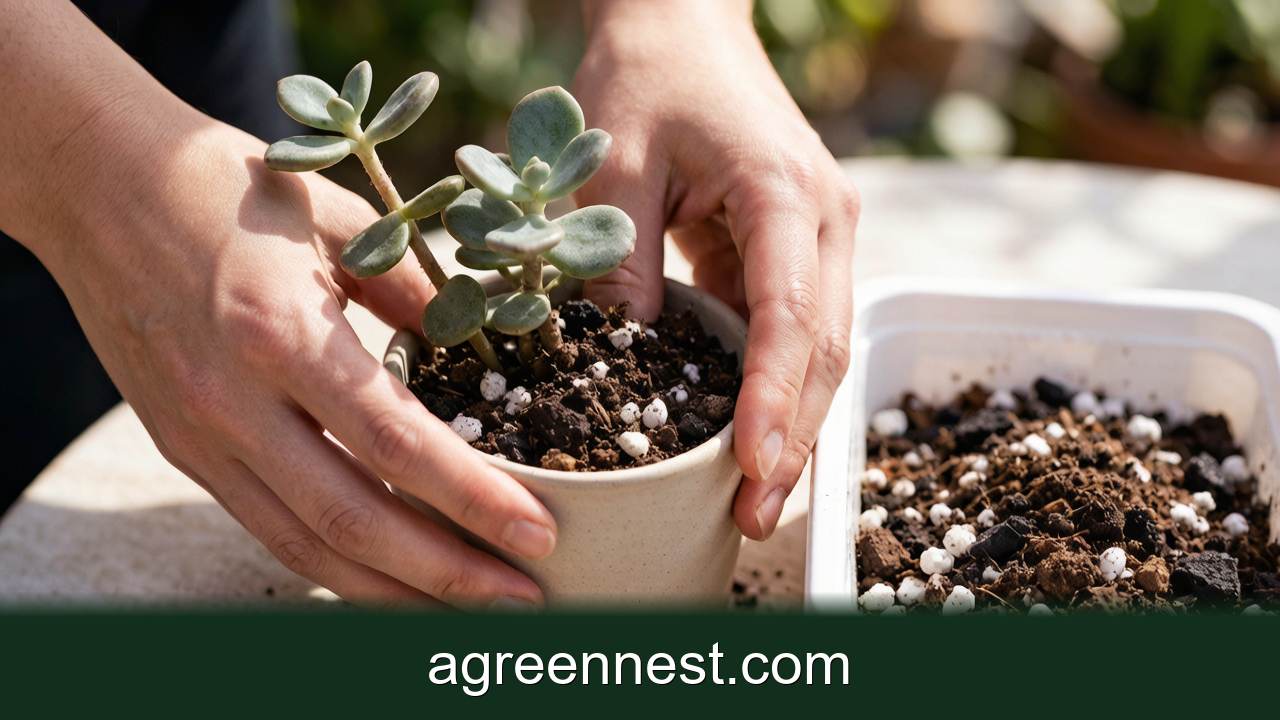
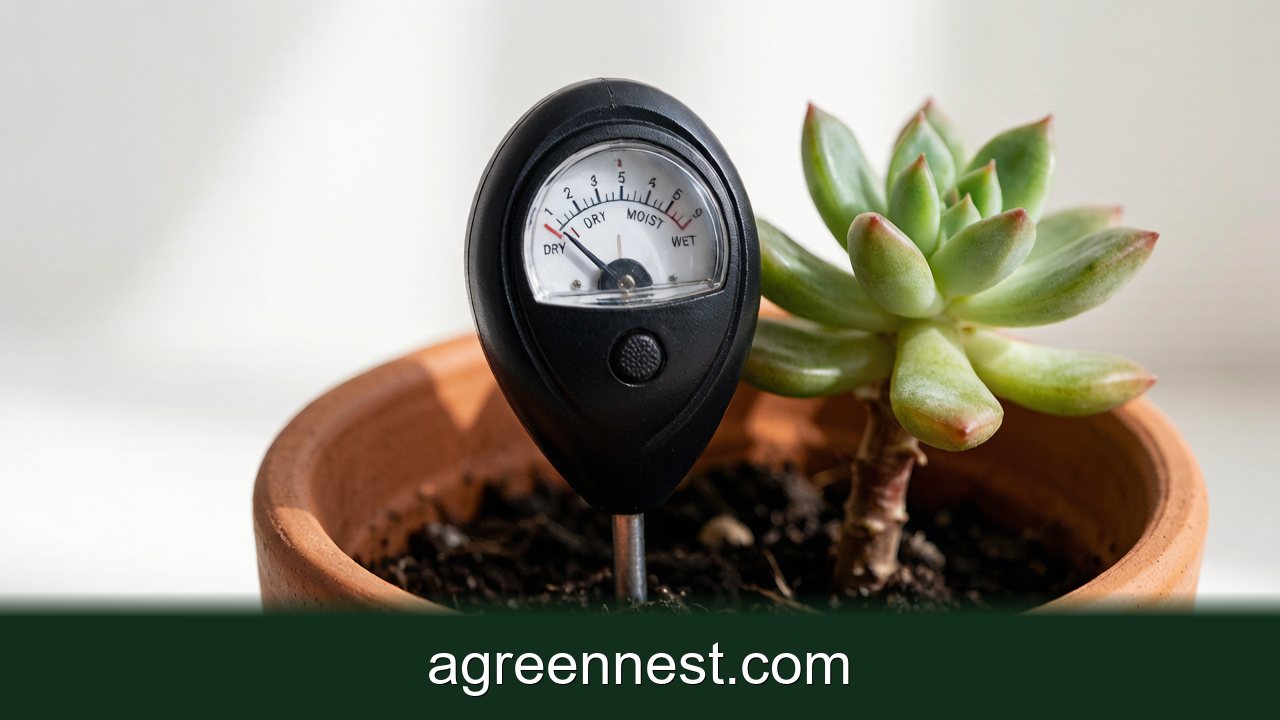
Pick the accessory that matches the job: for Mix Your Own Gritty Succulent Soil At Home, a calibrated tool removes the guesswork. Calibrate it once (most read low out of the box), then measure at the root zone, not the air.
Bagged "cactus soil" from the store is too rich and too retentive for true succulents. The fix is a homemade gritty blend. It costs roughly 40 percent less per pot than premium bagged mixes, and you control exactly how fast it drains. This guide gives a recipe you can scale to any number of pots, explains what each ingredient does, and lists the mistakes that turn good soil into a rot factory.
Why a Gritty Mix Matters
Succulent roots want air as much as water. A dense, peat-heavy mix stays wet for 5 to 7 days and invites rot at the crown. A gritty mix drains in under 3 minutes and holds only the thin film of moisture the plant actually uses. Echeveria elegans and other rosette types collapse fast in heavy soil, so structure matters more than fertilizer does. Three facts decide success: drainage speed, air space, and a lean nutrient load. Get those right and most other care problems simply disappear.
What Goes Into the Base Recipe
A reliable all-rounder uses a 3 to 2 to 1 ratio by volume. That means 3 parts inorganic grit, 2 parts basic potting soil, and 1 part fine gravel or poultry grit. The 3:2:1 blend drains fast yet keeps enough moisture for healthy roots through a normal week. For extra-gritty growers such as Lithops lesliei, push the ratio to 4 to 1 to 1. If you only have two ingredients, 1 part cactus soil plus 1 part perlite is already a major upgrade over any bagged mix. Do not overthink the parts: a cup for one plant or a bucket for a whole shelf both work just as well.
What Each Ingredient Does
Pumice and perlite hold tiny air pockets and never compact under the weight of a plant. Pumice is heavier and stays put in the pot, while perlite can float to the surface after heavy watering. Coarse sand or poultry grit adds weight so top-heavy plants stand upright and keeps the pores open between grains. Use coarse material only, because fine play sand packs into a solid block. Potting soil is the single part that holds nutrients and a little water, so keep it the clear minority of the blend. Calcined clay, sold as turface, is an optional premium additive that stays airy and stays reusable for several years. Coco coir can replace peat if you want a renewable base that rewets easily.
How Do You Mix It Correctly?
Start by sterilizing any reclaimed soil you plan to reuse this season. Bake the old mix at 200°F (93°C) for 30 minutes to kill fungus gnats and soil pathogens. Measure everything by volume, not by weight, using a scoop or an old mug as your standard. Mix the dry components in a tub until the color looks even and no clumps remain anywhere. Slightly dampen the blend before potting only if your tap water is soft; otherwise pot dry and water after planting. Store the extra in a lidded bin, where it keeps for 4 to 6 months without going bad.
When Should You Add Extra Grit?
Add more grit whenever water sits on the surface for more than a minute after pouring. Most Sansevieria trifasciata specimens tolerate slightly richer soil, but Haworthia cooperi wants the leanest blend of all. During the cool months from November to February, cut the soil's moisture hold further by raising grit to 4 parts. A simple clock test beats guesswork every time: pour a measured cup of water on top and watch how long it takes to vanish. If it lingers past 60 seconds, the mix is too heavy for that particular plant.
Common Mixing Mistakes
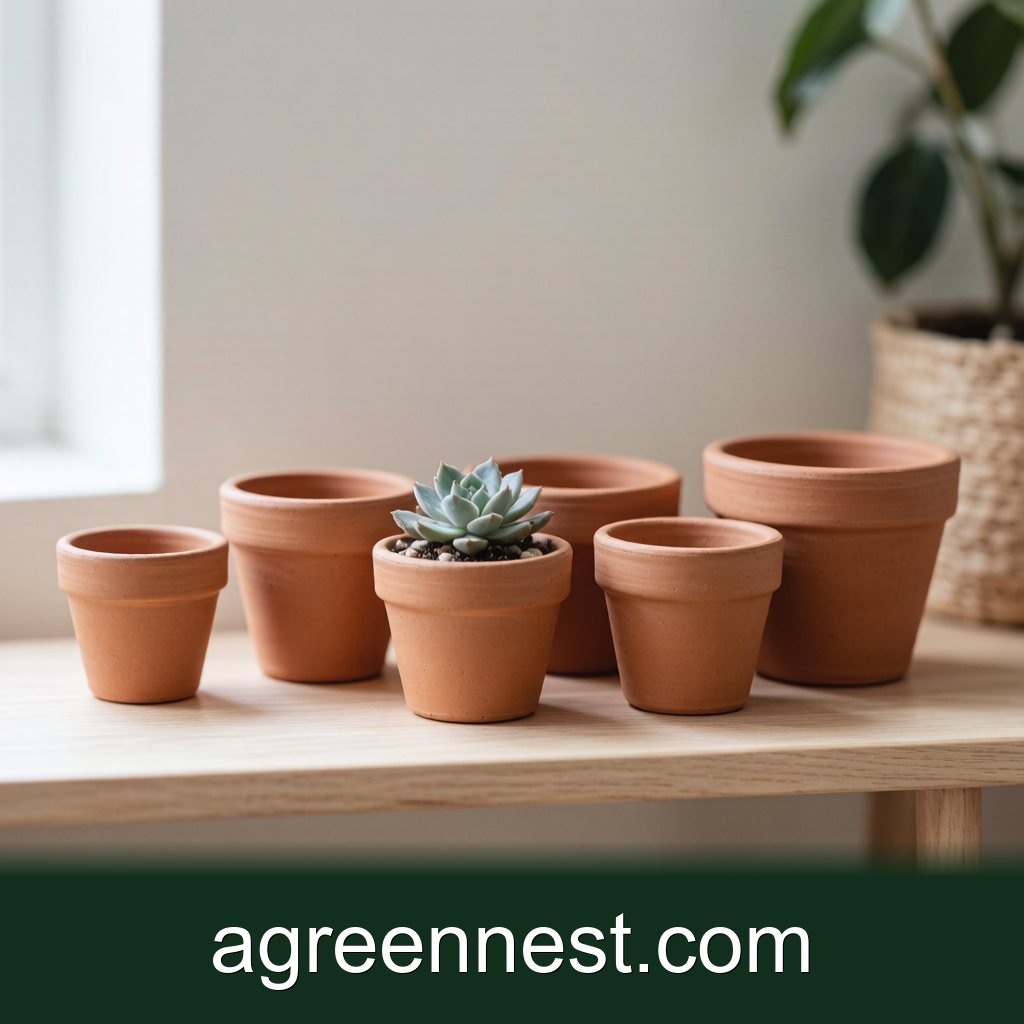
Fine sand is the first trap to avoid completely. Play sand or beach sand compacts into concrete, so only coarse horticultural sand belongs in the recipe at all. Peat is the second trap because it stays soggy and then turns hydrophobic once it dries out fully. Skip it and use coco coir if you want a renewable base that rewets without a fight. The pot is the third trap, since even perfect soil rots in a sealed container with no exit for water. Pair the mix with drainage holes and, for many succulents, a terracotta pot that wicks excess moisture out to the air.
Can You Scale the Recipe to Many Pots?
Yes, and scaling is the whole point of mixing your own at home. Keep the ratio fixed and multiply the part size by the number of pots you need to fill this season. Ten small pots might use 10 cups of grit, 7 cups of soil, and 3 cups of gravel, while a hundred pots simply swap the cup for a bucket. Write the numbers on a sticky note before you start so you do not lose track mid batch. One batch mixed in a clean tub serves a full shelf of plants with almost no waste left over.
Frequently Asked Questions
Q: Can I use garden soil instead of potting mix?
A: No. Garden soil compacts, holds too much water, and carries pests and disease into your home. Always use a purpose-made indoor base mixed with plenty of grit.
Q: Do cacti need a different blend than succulents?
A: Yes, even grittier. Move toward 4 to 1 to 1 by volume and add extra gravel for weight and stability in tall pots.
Q: Can I reuse old succulent soil safely?
A: Yes, but only after baking at 200°F (93°C) for 30 minutes to sterilize and after refreshing the grit, which breaks down and compacts over time.
Mixing your own gritty soil is the highest-leverage habit for succulent success because it directly prevents the rot that kills most plants. Start with the 1 to 1 shortcut, scale up the ratio as your collection grows, and pair the mix with a pot that drains. The rest of the accessory guides will help you finish building a toolkit that almost cannot go wrong.
Recommended Tools for Plant Care Accessories Care
Free, no-signup helpers matched to this guide.
Free Ebooks to Explore
Downloadable handbooks — no email required.
Free Ebook
The AGreenNest Succulent Care Handbook
The complete, beginner-to-confident guide to growing fat, happy succulents — 10 chapters and a 20-plant directory.
Free Ebook
Haworthia & Haworthiopsis Care Handbook
A focused guide to the striped, forgiving Haworthia clan.
Sources & further reading
GreenNest authors research and write every guide independently. The external links below are reputable references we recommend for deeper reading — they are not the sources we copied from.
- Aggie Horticulture (Texas A&M) — Texas A&M AgriLife
- UF/IFAS Gardening Solutions — UF/IFAS
- NC State Extension — Plant Toolbox — NC State Extension
Share Your Plant Story
Grown something tricky, or found a trick that finally worked? Tell us in the comments, or see what other readers are sharing on our Community page. The best reader tips get folded back into our guides.
Join the Conversation
Have a tip or a question about Mix Your Own Gritty Succulent Soil at Home? Share it below — comments are saved on our server.