 AGreenNest
Low-Light Indoor Plants
5 Mistakes That Quietly Kill Low-Light Houseplants
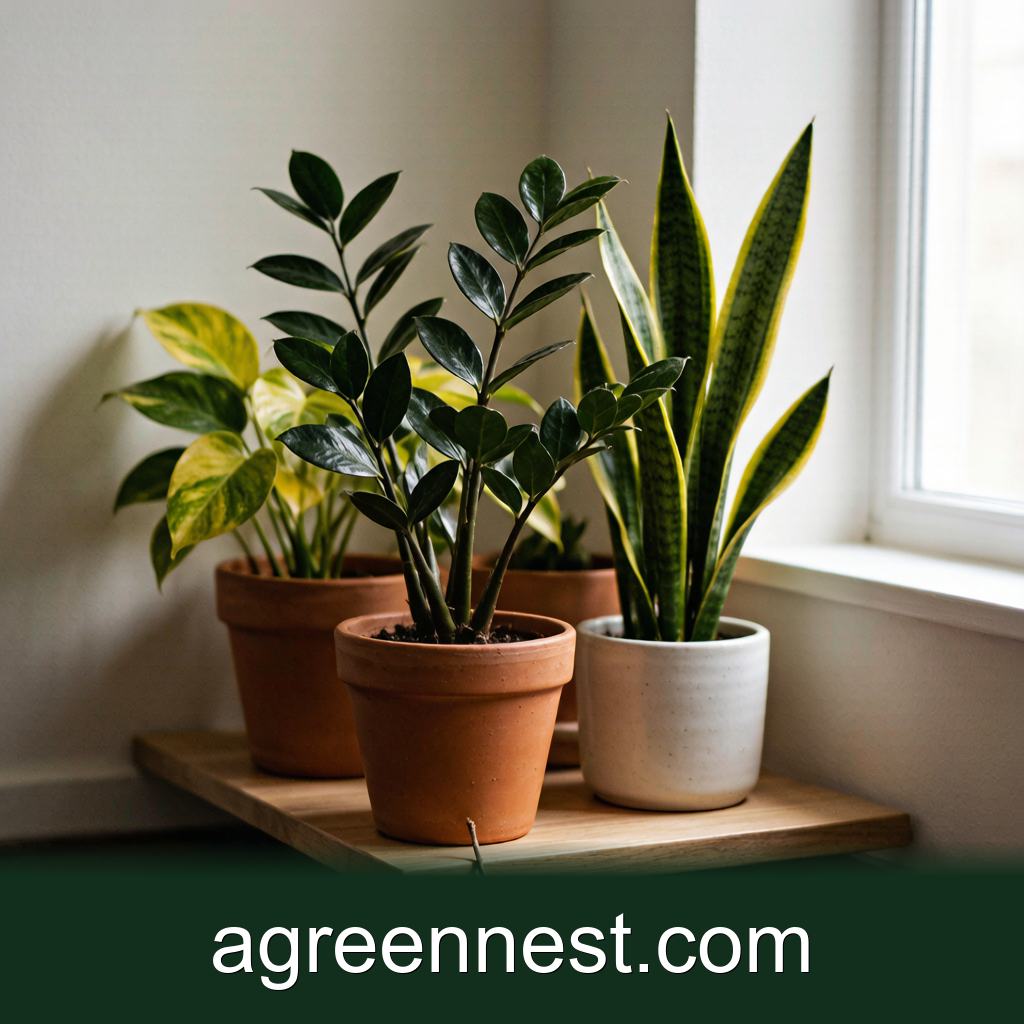
Do not overthink 5 Mistakes That Quietly Kill Low-Light Houseplants. It thrives in a few hours of direct sun and asks for little: water when the top layer of soil dries (4 weeks between waterings), and keep it away from harsh midday sun.
The plant on my windowsill looked perfectly happy on Monday. By Friday the lower leaves had gone soft and yellow, and the whole stem leaned toward the door like it was trying to leave. Low light rarely kills a plant in a single dramatic moment. It lets small mistakes pile up until the roots are too far gone to save.
I learned this the hard way with a Zamioculcas zamiifolia, the plant everyone calls unkillable. Mine sat in a dim hallway for two winters before it finally rotted from constant, well meaning watering. Over the years I have watched the same pattern with Sansevieria trifasciata and Aspidistra elatior, the so called cast iron plant. These species are hard to kill, not impossible. Here are the five mistakes that quietly finish them off, and the fix for each.
Mistake 1: Watering on a Schedule, Not on the Soil
This is the big one. Low light rooms mean a plant uses water slowly, often about half as fast as the same plant in a bright window. Water every Saturday and you can drown the roots within a month.
The fix is the finger test. Push your index finger 3 to 4 cm into the soil. Cool, damp soil means wait another few days. Dry soil to the second knuckle means water deeply. In a cool, dim room ZZ plants may need water only every 3 to 4 weeks in winter. Epipremnum aureum in the same corner might want it every 10 to 14 days. The room decides, not the calendar.
Mistake 2: Believing Low Light Means No Light
People hear the phrase low light plant and then tuck it into a windowless bathroom or a closed north facing hallway. That is not low light. That is a closet with a plant in it.
True low light is a bright north window or a spot 2 to 3 meters from a south or west window, a place where you can read a book at noon without switching on a lamp. Plants like Aglaonema and the cast iron plant handle this happily. Windowless rooms handle nothing green for long.
Mistake 3: Crowding Plants Until Air Stops Moving
Shelves packed with eleven pots look wonderful in a photo and terrible in practice. Still air plus damp soil is exactly how fungal leaf spots and root rot begin, and low light rooms are already slow to dry. I have lost more pothos to a stuffy, crowded corner than to any other single cause.
Give each pot a finger's width of space and run a ceiling fan on low for an hour each day. You do not need a humidifier. You need movement. The first yellow leaf should send you straight to the roots before you reach for the watering can.
Mistake 4: Feeding a Plant That Is Barely Growing
Low light means slow growth, and slow growth means the plant needs almost no food. Monthly fertilizer doses in winter are how you burn roots that were never asking for anything.
Feed only in spring and summer, at quarter strength, and only when the plant is actively pushing out new leaves. ZZ plants in a dim room may need fertilizer twice a year, not twelve times. When leaves yellow for no clear reason, stop feeding and check the water before you add more.
Mistake 5: Trusting a Windowless Room
The final mistake is hope. We put a plant in a dark corner and hope it adapts. Some species tolerate a surprising amount of shade, but none tolerate total darkness for months. Chlorophytum comosum will fade and then fail.
Rooms with no window need a different fix. Add a small clip on LED grow light that runs 8 to 10 hours a day. That single change turns a dead corner into a livable one.
How Do You Know Your Room Is Too Dark?
Stand in the spot at midday and try to read a paperback. You need a lamp, so the plant probably does too. Most low light houseplants are content between 50 and 250 foot candles, which covers a bright north window and the middle of a lit room. Below that, growth stalls and new leaves shrink.
When I first measured my own living room, the corner by the TV read only 20 foot candles. No wonder the Sansevieria trifasciata there grew an inch a year. Moving it 60 cm closer to the window doubled the reading and the growth.
Why Does the Finger Test Work So Well?
Because it measures the thing that actually matters, which is soil moisture at root level, not the date on a calendar. Roots in cool, dim soil stay wet for weeks. No schedule can feel that. Your finger can.
Most beginners overthink plant care and reach for gadgets. In my experience the simplest tool wins. Ten seconds of touching the soil beats any app or moisture meter I have tried.
Frequently Asked Questions
My low light plant's leaves are turning yellow from the bottom up. Is that normal?
Just the oldest one or two leaves yellowing while the rest look healthy is natural aging. Several lower leaves yellowing at once with damp soil means you are overwatering in a room that dries slowly.
Can a pothos survive with only a north window?
Yes, as long as the window is real and unblocked. Pothos grows slower and stays smaller than in a bright spot, but a north window keeps it alive and green for years.
Is a windowless bathroom okay for a snake plant?
You will need a grow light, because there is no usable light at all. Snake plants tolerate neglect but not total darkness for months on end.
Low light is forgiving, but it is not a free pass. Water by feel, give the brightest indirect light you have, and let the air move. My shortlist of species that actually thrive in these rooms starts with the best low light houseplants for 2026, because every plant on that list has proven itself in a dim corner of my own home.
Recommended Tools for Low-Light Indoor Plants Care
Free, no-signup helpers matched to this guide.
Free Ebooks to Explore
Downloadable handbooks — no email required.
Sources & further reading
GreenNest authors research and write every guide independently. The external links below are reputable references we recommend for deeper reading — they are not the sources we copied from.
- Missouri Botanical Garden — Missouri Botanical Garden
- UF/IFAS Gardening Solutions — UF/IFAS
- Royal Botanic Gardens, Kew — Kew Gardens
Share Your Plant Story
Grown something tricky, or found a trick that finally worked? Tell us in the comments, or see what other readers are sharing on our Community page. The best reader tips get folded back into our guides.
Join the Conversation
Have a tip or a question about 5 Mistakes That Quietly Kill Low-Light Houseplants? Share it below — comments are saved on our server.