 AGreenNest
Hydroponic Growing
Lucky Bamboo in Water (Hydroponics)
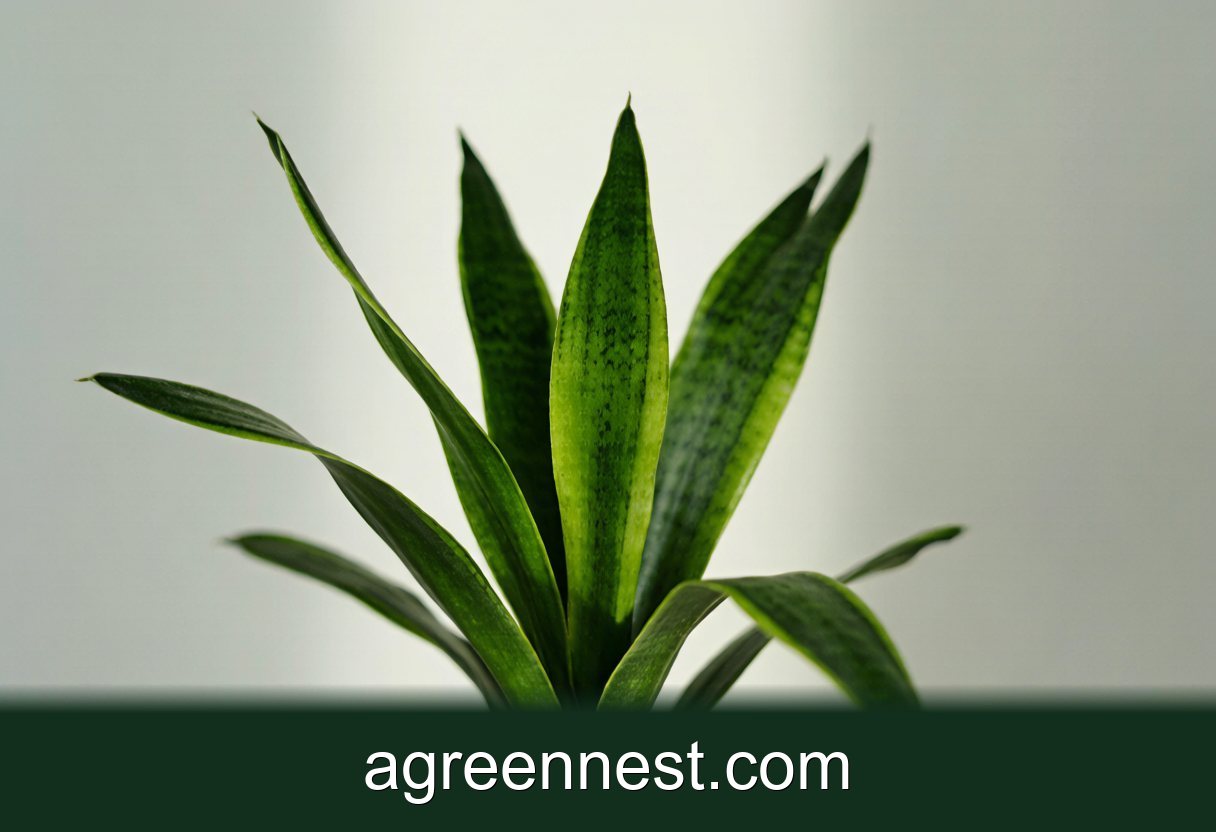
Lucky Bamboo in Water (Hydroponics) grows fastest with a 1.5-2.0 EC nutrient solution at 18-22 C. Aim for 1.5-2.0 EC and pH 5.8-6.2, and give bright, indirect light (14-16 hours daily). Keep roots dark and aerated, and change the reservoir every 1-2 weeks to avoid salt buildup.
What Lucky Bamboo Actually Is
The plant sold as lucky bamboo is not a true bamboo at all. It is Dracaena sanderiana, a tropical perennial from central Africa that tolerates life fully submerged at its roots. You can grow it in a simple glass vase with only water and a layer of clean pebbles, and that is the entire physical setup. Most specimens sold in garden centers arrive already rooted in water, so you skip the transplant shock that soil plants suffer. Keep the container away from hot windows because leaf scorch shows up fast above 30°C (86°F). A stable room temperature between 18 and 24°C (64 and 75°F) suits it best, and the plant tolerates normal indoor humidity without a humidifier. Because the stalks store water in their tissues, a missed change date is rarely fatal, though growth slows.
Why Grow It in Water Instead of Soil
Soil hides the roots and invites fungus gnats that are hard to clear. Water culture puts every root in view, so you spot rot and discoloration before they spread to the crown. The trade off is salt accumulation, which builds as water evaporates and leaves a mineral crust on the pebbles. A nutrient solution holding 1.5 to 2.0 EC gives enough food without burning the fine feeder roots. Target a pH between 5.8 and 6.2 so iron and manganese stay soluble and available. Most beginners overfeed, and a half strength mix at 1.0 EC is safer for a single stalk in a small vase. Unlike lettuce or basil, this plant needs almost no nitrogen, so a dedicated foliage formula at low strength is ideal.
How to Set Up the Jar
Start with a clean glass vessel and rinse the pebbles under tap water until the runoff runs clear. Place three or four stalks in the center and fill with filtered water to just above the root crown, leaving the upper nodes dry. Tap water works if you leave it open overnight so chlorine dissipates, but filtered water keeps the glass cleaner. Set the jar where it receives bright indirect light for 14 to 16 hours each day. A south facing window fitted with a sheer curtain gives the right intensity, because direct sun bleaches the leaves within a week. Add a single drop of liquid hydroponic nutrient per liter every other week rather than a heavy dose. After the first month, rotate the jar a quarter turn weekly so the stalks grow straight instead of leaning.
What Light and Temperature Does It Need
Bright indirect light keeps the stems tight, short jointed, and deep green. Low light stretches the nodes and the plant leans toward the window within days of dim conditions. When daily light drops below roughly 10 moles, the youngest leaves pale from the tip inward. Keep the water temperature between 18 and 22°C (64 and 72°F) for steady root activity, and never let it sit above 26°C (79°F) because warm still water breeds bacteria quickly. A small desk fan on low breaks the stagnant air and reduces the fungal spots that appear on foliage in still rooms. In winter, move the jar away from cold drafts near single pane windows where temperatures can fall below 15°C (59°F).
How Often Should You Change the Water?
Change the reservoir every 1 to 2 weeks to flush the salts that accumulate between changes. In summer, when evaporation roughly doubles, top up midweek with fresh filtered water and do a full swap on day 14. Roots stay white and active only when oxygen is present, so keep the lower half of the jar shaded with an opaque sleeve or backing. After each change, wipe the inside glass with a soft cloth to strip the slimy biofilm that feeds pathogens. Because the plant absorbs little, you can reuse the same pebbles for a year if you rinse them during every third change.
What Problems Show Up First?
The earliest sign of trouble is a yellow lower leaf, which usually means the nutrient is too strong or the water is stale. Brown crisp tips point to fluoride in tap water or salt buildup on the pebbles. Soft mushy stems at the water line signal rot, and you should cut the affected section above the damage with a clean blade. Spider mites appear in dry heated rooms and show as fine webbing between the leaves. A weekly mist with plain water knocks them back before they establish. Unlike soil pests, these issues rarely need insecticide if you catch them during the regular water change.
Frequently Asked Questions
Q: Do I need pumps and timers for lucky bamboo?
A: No. A passive vase needs no pump or timer. Only active systems like DWC or NFT require a pump and timer to keep the solution moving and aerated.
Q: Why are my leaf tips turning brown?
A: Fluoride and mineral salt buildup are the usual causes. Switch to filtered water, change it weekly, and lower the nutrient strength to about 1.0 EC.
Q: Can lucky bamboo live in plain water forever?
A: It survives for years in plain water, but growth stalls after roughly six months without added nutrients. A light feed every two weeks keeps the stalks vigorous and green.
Lucky bamboo is the cheapest entry into hydroponics you can make at home. Spend under 15 dollars on a jar, a bag of pebbles, and a small nutrient bottle, then keep the water clean and the pH near 6.0. Use the care schedule tool to log each water change, and you will avoid the salt crash that kills most first attempts within the first season.
Sources & further reading
GreenNest authors research and write every guide independently. The external links below are reputable references we recommend for deeper reading — they are not the sources we copied from.
- NC State Extension — Plant Toolbox — NC State Extension
- UA Controlled Environment Agriculture Center — U Arizona CEAC
- Oregon State University Extension — Oregon State Extension
Recommended Tools for Hydroponic Growing Care
Free, no-signup helpers matched to this guide.
Free Ebooks to Explore
Downloadable handbooks — no email required.
Free Ebook
The AGreenNest Succulent Care Handbook
The complete, beginner-to-confident guide to growing fat, happy succulents — 10 chapters and a 20-plant directory.
Share Your Plant Story
Grown something tricky, or found a trick that finally worked? Tell us in the comments, or see what other readers are sharing on our Community page. The best reader tips get folded back into our guides.
Join the Conversation
Have a tip or a question about Lucky Bamboo in Water (Hydroponics)? Share it below — comments are saved on our server.