 AGreenNest
Hydroponic Growing
Hydroponic Nutrients (Hydroponics)
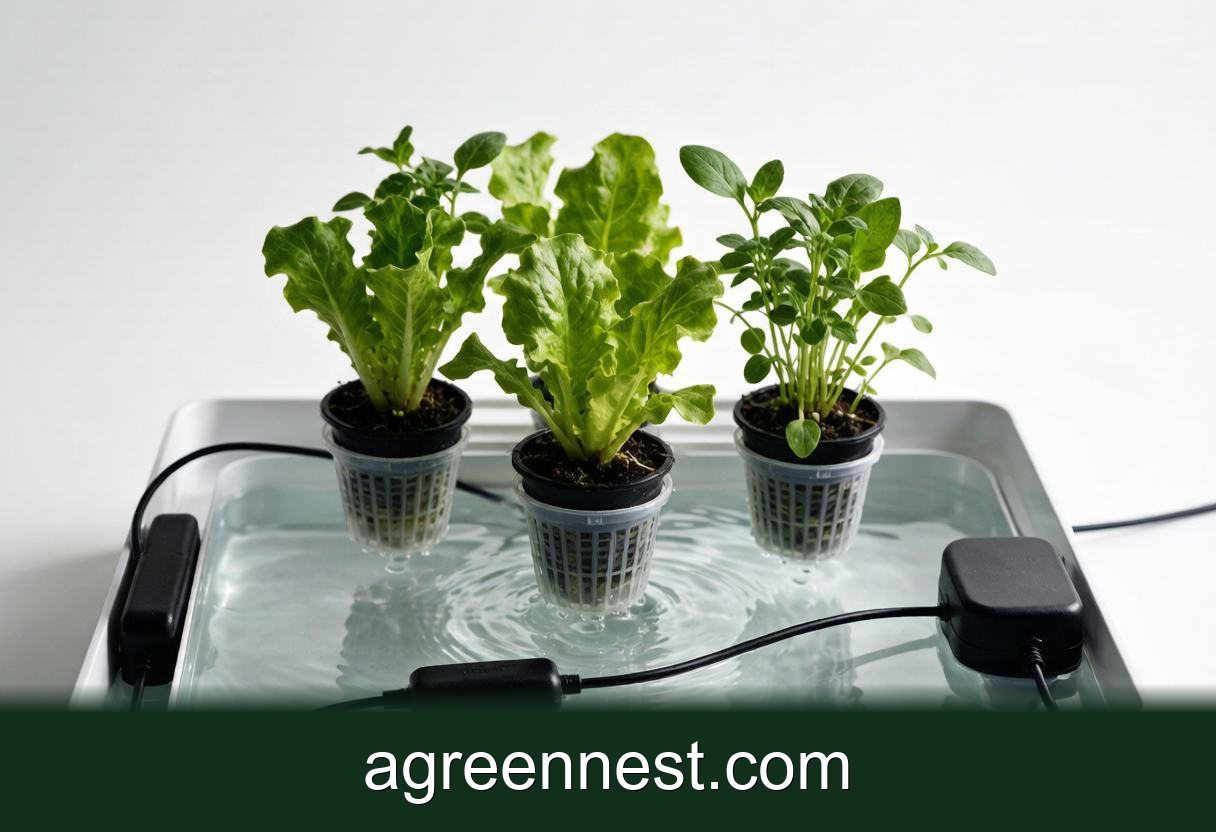
Hydroponic Nutrients (Hydroponics) grows fastest with a 1.5-2.0 EC nutrient solution at 18-22 C. Aim for 1.5-2.0 EC and pH 5.8-6.2, and give 13-16 hours of grow-light or bright supplemental light (14-16 hours daily). Keep roots dark and aerated, and change the reservoir every 1-2 weeks to avoid salt buildup.
What Does a Plant Actually Need in Water?
Soil feeds plants slowly as microbes break organic matter down. Water feeds them instantly, which means you supply all 13 elements yourself. The big three are nitrogen, phosphorus, and potassium, the N, P, and K on every label. Around them sit ten more: calcium, magnesium, sulfur, and the trace metals iron, manganese, zinc, copper, boron, molybdenum, plus chlorine.
A lettuce crop, Lactuca sativa, pulls roughly 200 parts per million of nitrogen from solution during peak growth. Tomatoes want closer to 250 parts per million and extra calcium or you get blossom end rot. The point is that one mix does not fit every plant, so read the label for the crop you are running, not the generic claim on the front.
Watch the leaves for the story. Pale new growth with green veins points to iron shortage, while yellowing between veins on older leaves means magnesium is low. These show up within a week of a locked out nutrient, so a quick photo log beats memory.
Why Two Parts Instead of One Bottle?
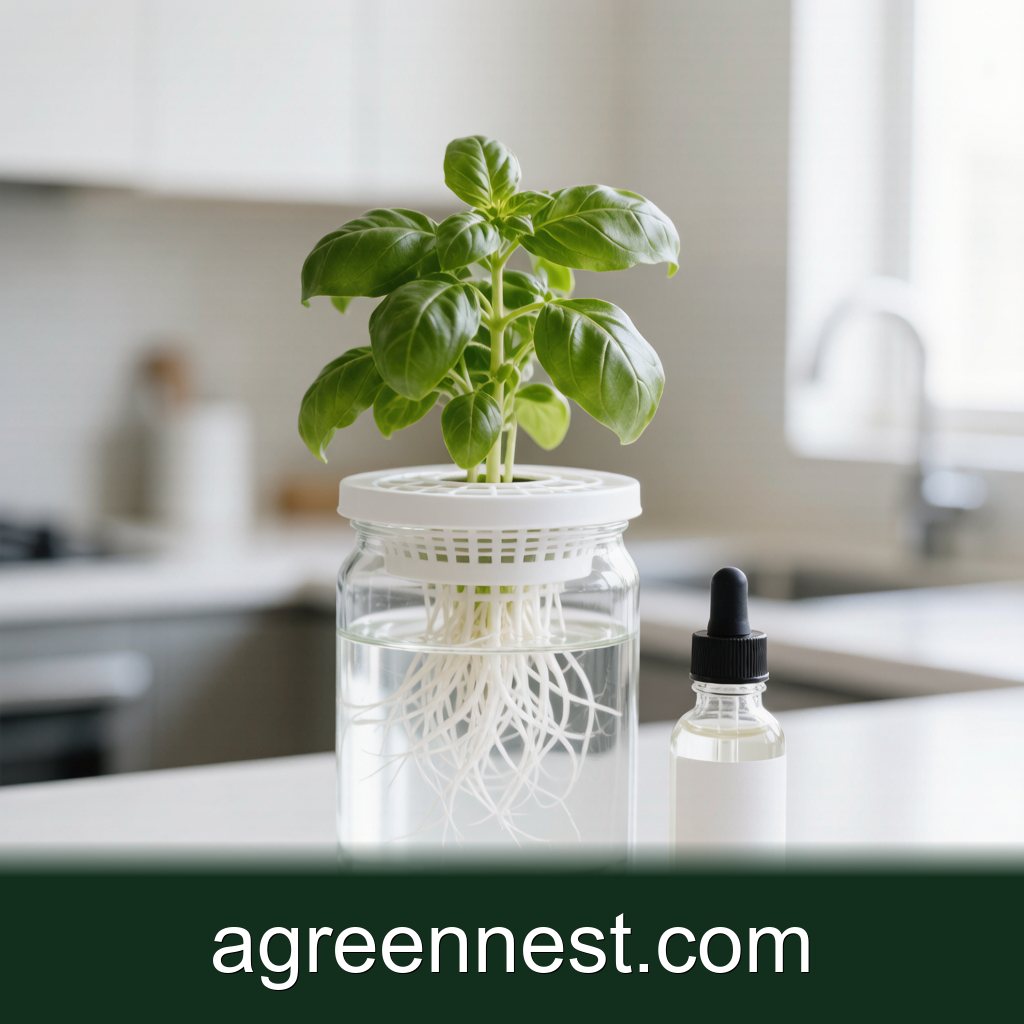
A single bottle cannot hold all 13 elements at once. Calcium and phosphate react and fall out of solution the moment they share a liquid, so manufacturers split the recipe. Part A carries calcium and most of the nitrogen. Part B carries phosphate, potassium, and the trace metals. Keep them apart as concentrates, and only combine them inside the diluted reservoir.
Mixing the two concentrates in one cup before adding water is the most common beginner mistake. You get a white sludge that clogs your pump and starves the plant of both calcium and phosphate at the same time. Pour A into the full volume of water, stir for 20 seconds, then add B and stir again.
How Do You Mix Without Locking Out Nutrients?
Start with clean water and a known volume. For a 5 gallon bucket, that is about 19 liters. Add part A at the label rate, usually 4 to 6 milliliters per liter for a vegetative mix, stir, then add part B at the same rate. Check the EC after each addition so you do not overshoot.
pH decides whether roots can actually absorb what you mixed. Most crops take up nutrients best between 5.5 and 6.5. Drop below 5.0 and manganese turns toxic. Rise above 7.0 and iron and phosphorus lock out within days. Test with a meter, not strips, because a half point error rewrites the whole uptake table.
Correct drift with small amounts of a dedicated pH down or pH up product, never with household vinegar or baking soda. Add one drop per liter, wait two minutes, and test again. A 5 gallon bucket rarely needs more than 3 milliliters of down to move pH from 6.8 to 6.0.
EC and pH Targets by Crop
Leafy greens run light. Lettuce and basil do well at an EC of 1.0 to 1.4 and a pH near 6.0. Fruiting crops run heavier. Peppers and tomatoes want an EC of 1.8 to 2.4 and a pH of 5.8 to 6.2. Herbs like rosemary sit in the middle at roughly 1.2 to 1.6.
If your EC reads 3.0 or higher, the solution is too salty and roots start to burn. Dilute with plain water until you are back in range rather than dumping the whole bucket. A weekly log of EC and pH on a phone note catches drift before it becomes damage.
Which Supplements Are Worth Adding?
Most two part bases cover the core 13, but three add ons earn their place. Cal mag fixes the calcium gap that fruiting crops expose. Silica strengthens cell walls and helps plants shrug off heat stress. A root enzyme or beneficial bacteria product keeps the reservoir clean between changes. Skip bloom boosters that just repackage the phosphorus you already have.
Use cal mag at 1 milliliter per liter once flowers appear on tomatoes or peppers. Silica goes in first, before the nutrient, because it acidifies and can drop pH by half a point. Add it, stir, wait ten minutes, then run your normal A and B routine.
When to Change the Reservoir
Change the full solution every 1 to 2 weeks regardless of how clear it looks. Plants remove elements at different rates, so the ratio of nutrients shifts even when the EC stays flat. Fresh mixing restores balance and clears the organic film that breeds bacteria.
Temperature matters too. A reservoir at 75°F (24°C) stays safe for about a week. At 80°F (27°C) or above, oxygen drops and root rot sets in fast, so cool the bucket or shrink the change interval to five days. Wrap it in black plastic to block light and keep the root zone below 70°F (21°C).
Between full changes, top off with plain water as the level drops. Plants drink more water than nutrients, so the EC creeps up if you only add concentrate. Keep the net pot collar dry and the water line an inch below it to stop stem rot.
Frequently Asked Questions
Q: Is hydroponic food the same as normal fertiliser?
A: No. Soil fertiliser lacks the full 13 element balance and often contains binders that clog lines. Use a proper two part A/B nutrient made for water culture.
Q: Do I need pumps and timers?
A: For passive Kratky, no. For active DWC or NFT, yes, both an air pump and a timer, or the roots cook and drown.
Q: Can I reuse old nutrient solution on soil plants?
A: Yes, dilute it three to one with water and pour it on garden beds. The salt load is too high to use neat.
Good hydroponic nutrition is mostly measurement and routine. Pick a two part nutrient, learn your crop's EC and pH band, and write the numbers down every few days. The reservoir rewards discipline and punishes guesswork, so trust the meter over the calendar.
Recommended Tools for Hydroponic Growing Care
Free, no-signup helpers matched to this guide.
Free Ebooks to Explore
Downloadable handbooks — no email required.
Free Ebook
The AGreenNest Succulent Care Handbook
The complete, beginner-to-confident guide to growing fat, happy succulents — 10 chapters and a 20-plant directory.
Free Ebook
Haworthia & Haworthiopsis Care Handbook
A focused guide to the striped, forgiving Haworthia clan.
Sources & further reading
GreenNest authors research and write every guide independently. The external links below are reputable references we recommend for deeper reading — they are not the sources we copied from.
- NC State Extension — Plant Toolbox — NC State Extension
- Aggie Horticulture (Texas A&M) — Texas A&M AgriLife
- Oregon State University Extension — Oregon State Extension
Share Your Plant Story
Grown something tricky, or found a trick that finally worked? Tell us in the comments, or see what other readers are sharing on our Community page. The best reader tips get folded back into our guides.
Join the Conversation
Have a tip or a question about Hydroponic Nutrients (Hydroponics)? Share it below — comments are saved on our server.