 AGreenNest
Plant Pests & Diseases
Rust Fungus on Houseplants: ID, Treatment & Prevention
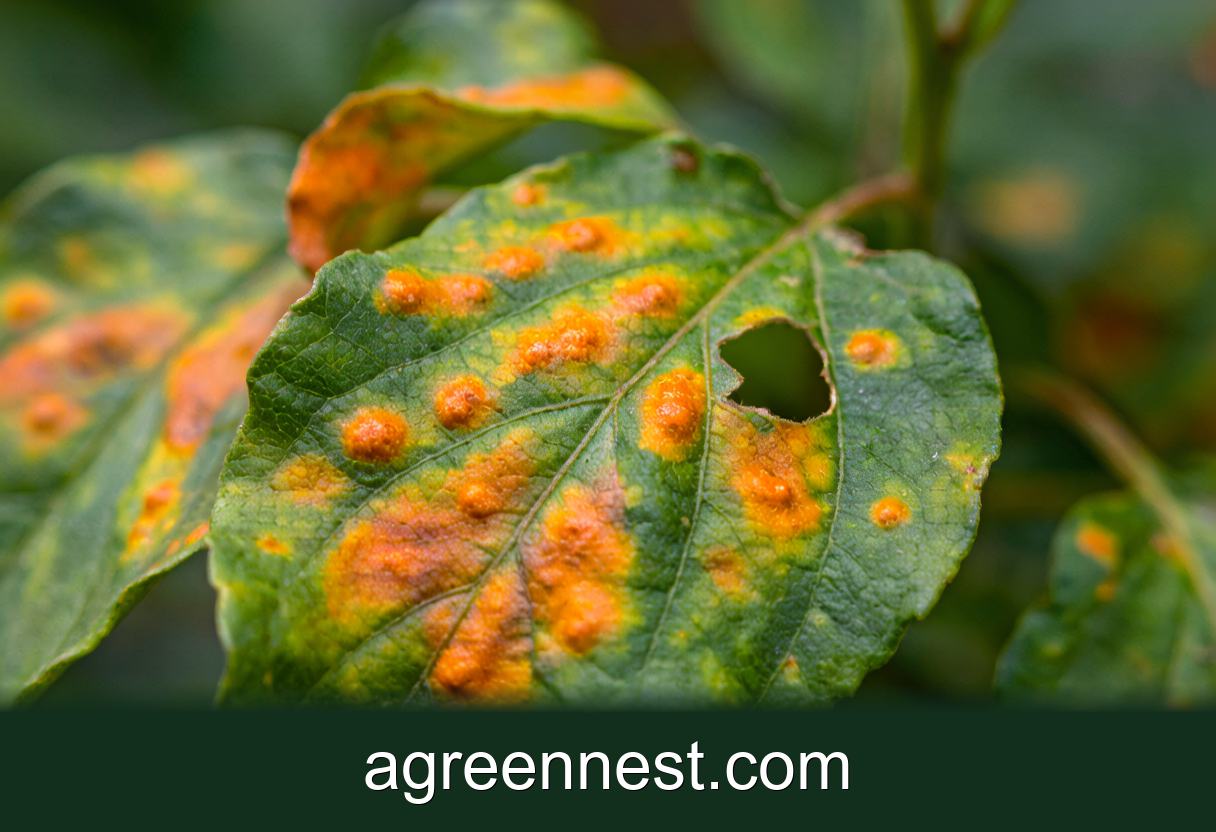
Most Rust Fungus on Houseplants problems trace back to the usual indoor pests, not bad luck. Inspect weekly (leaf undersides, stem joints), quarantine new plants, and treat early with a targeted spray. Good airflow and dry foliage do more than any bottle, since prevention beats the cure every time.
Rust fungus is one of the most recognizable leaf diseases you can meet on indoor and patio plants. Those bright orange, yellow, or rusty-brown powdery spots are a clear warning sign that a fungal infection has moved in. It spreads leaf to leaf with surprising speed, but it is also one of the easier diseases to beat once you know the routine, according to Oregon State Extension guidance.
What Does Rust Fungus Look Like?
Rust fungus shows up as small, raised pustules that sit mostly on the undersides of leaves. On top of the leaf you may see pale yellow blotches that match the bumps below, almost like someone dabbed the plant with orange paint.
When you rub a pustule with your finger, it leaves a rusty-orange dust behind. This powder is made of thousands of tiny fungal spores ready to travel to the next leaf, and a single touch can move the problem across your shelf.
Rust moves through several life stages across a season, which is why one spray is never enough. The bright orange summer spores reinfect the same plant, while darker, tougher spores form later and ride the wind to new hosts on the next windowsill.
Common victims include hollyhocks (Alcea rosea), pelargonium, fuchsia, and roses, but rust can appear on many leafy houseplants too. Left alone, the spots grow together, leaves yellow, and the plant slowly loses strength over two to four weeks.
Why Does Rust Spread So Fast?
Rust is caused by several basidiomycete fungi, including species in the genus Puccinia. The spores drift through the air or ride on your hands and tools from one plant to another, which is why clean pruners matter so much.
High humidity is the single biggest trigger. Spores need a film of moisture on the leaf surface to germinate, so bathrooms, terrariums, and crowded windowsills are prime spots, a fact the US EPA highlights in its safer pest control advice.
Poor air flow makes it worse because damp leaves stay wet for hours. Overhead watering that wets the foliage, cool nights around 15-21°C (60-70°F), and plants packed shoulder to shoulder all raise your risk of a sudden outbreak.
These fungi are survivors. Many overwinter in fallen leaves or in the top layer of soil, then erupt again the moment warmth and moisture return. That is why clearing up debris matters as much as spraying, notes the American Phytopathological Society in its disease profiles.
How to Fix It
Start by removing every infected leaf with clean scissors. Bag the clippings and bin them; never drop them on the soil where spores can splash back up and restart the infection within days.
Move the plant to a breezier spot and space it away from neighbors so air can move between leaves. A small fan set on low for a few hours a day works wonders in still rooms and cuts the moisture films spores need.
Spray the remaining foliage with a fungicide every 7 to 14 days until new growth is clean. Horticultural neem oil mixed at 2 tablespoons per 1 gallon (about 4 litres) of water with a drop of washing-up liquid is a gentle beginner option approved by many extension services.
For heavier outbreaks, a sulfur- or copper-based fungicide labelled for rust gives faster knockdown. Always coat the leaf undersides, since that is where the pustules hide and where missed spores keep breeding.
Stick to a strict spray calendar rather than treating by mood. Mark every 7 to 14 day interval so you never leave a gap long enough for a fresh spore wave, and hold off on heavy nitrogen fertilizer while the plant heals.
How Can I Stop Rust Coming Back?
Water at the soil line instead of from above so leaves stay dry. Morning watering is best because any stray splash dries during the day, leaving no film for spores to use.
Keep humidity around 40-50% rather than pushing it higher, and thin crowded growth so light and air reach the middle of the plant. Wipe leaves occasionally and sterilize pruners with 70% isopropyl alcohol between plants to stop cross-contamination.
New plants should sit in quarantine for 2 weeks before meeting the rest of your collection. This simple pause catches rust and many other problems before they spread across your shelves.
Where you can, choose rust-resistant cultivars, since breeders have tamed many hollyhock and rose varieties to shrug off infection. During humid spells, check the lower leaves first, because that sheltered spot is almost always where rust begins.
Frequently Asked Questions
Q: Is rust fungus on houseplants dangerous to humans?
A: No, rust fungi only attack plants and cannot infect people or pets, though the spores can irritate sensitive skin.
Q: Can I save a plant with rust or should I throw it away?
A: Most plants recover if you remove infected leaves early and treat with neem oil or fungicide before the disease is widespread.
Q: How often should I spray neem oil for rust?
A: Apply every 7 to 14 days, covering leaf undersides, and stop once you see two weeks of clean new growth.
Q: Why does rust keep coming back after I treat it?
A: Recurrence usually means leaves stay too damp, air flow is poor, or old spores remain on nearby surfaces and reinfect the plant.
Q: Does rust spread from plant to plant easily?
A: Yes, airborne spores travel on drafts and touch, so quarantining new plants and cleaning tools helps stop rust from marching through your collection.
Rust fungus is stubborn but very beatable once you dry the leaves and keep the air moving. For a quick diagnosis on anything fuzzy or spotted, try our pest identifier tool before you reach for a spray.
Recommended Tools for Plant Pests & Diseases Care
Free, no-signup helpers matched to this guide.
🔍 Free Tool
Pest & Problem Identifier
Pick the symptoms you see and get the likely culprit plus a fix.
Free Ebooks to Explore
Downloadable handbooks — no email required.
Free Ebook
The AGreenNest Succulent Care Handbook
The complete, beginner-to-confident guide to growing fat, happy succulents — 10 chapters and a 20-plant directory.
Free Ebook
Haworthia & Haworthiopsis Care Handbook
A focused guide to the striped, forgiving Haworthia clan.
Sources & further reading
GreenNest authors research and write every guide independently. The external links below are reputable references we recommend for deeper reading — they are not the sources we copied from.
- Oregon State University Extension — Oregon State Extension
- US EPA — Safer Pest Control — US EPA
- American Phytopathological Society — APS
Share Your Plant Story
Grown something tricky, or found a trick that finally worked? Tell us in the comments, or see what other readers are sharing on our Community page. The best reader tips get folded back into our guides.
Join the Conversation
Have a tip or a question about Rust Fungus on Houseplants: ID, Treatment & Prevention? Share it below — comments are saved on our server.