 AGreenNest
Plant Pests & Diseases
How to Save a Plant With Root Rot
I checked what actually harms How to Save a Plant with Root Rot, and it is almost always the common indoor pests. Catch them early by looking under the leaves, then treat with a targeted option rather than a blanket spray. Isolate the plant, improve airflow, and avoid watering from above so the outbreak loses its footing.
Root rot is the quiet killer of indoor plants, and it usually traces back to too much water and too little air around the roots. The Oregon State Extension notes most cases begin in soil that stays wet for more than a week after watering. Most plants caught early can often be rescued in a single afternoon with the right steps. Catch it early and the recovery rate stays high.
What Causes Root Rot?
Root rot starts when roots sit in waterlogged soil and suffocate from lack of oxygen. Healthy roots need air pockets, and constant moisture squeezes that air out within a few days. Overwatering, pots without drainage holes, and dense mixes that hold water like a sponge are the usual triggers.
Soil-borne pathogens finish the damage once tissue turns weak. The fungus Phytophthora cinnamomi and the water mold Pythium ultimum thrive in wet, compacted conditions and spread through the root system fast. Texas A&M AgriLife warns that reuse of old, soggy mix carries these organisms from one pot to the next. Clay balls at the pot base improve drainage in shallow containers. Warm rooms above 75°F speed the decay once rot begins.
How Do You Spot the Symptoms?
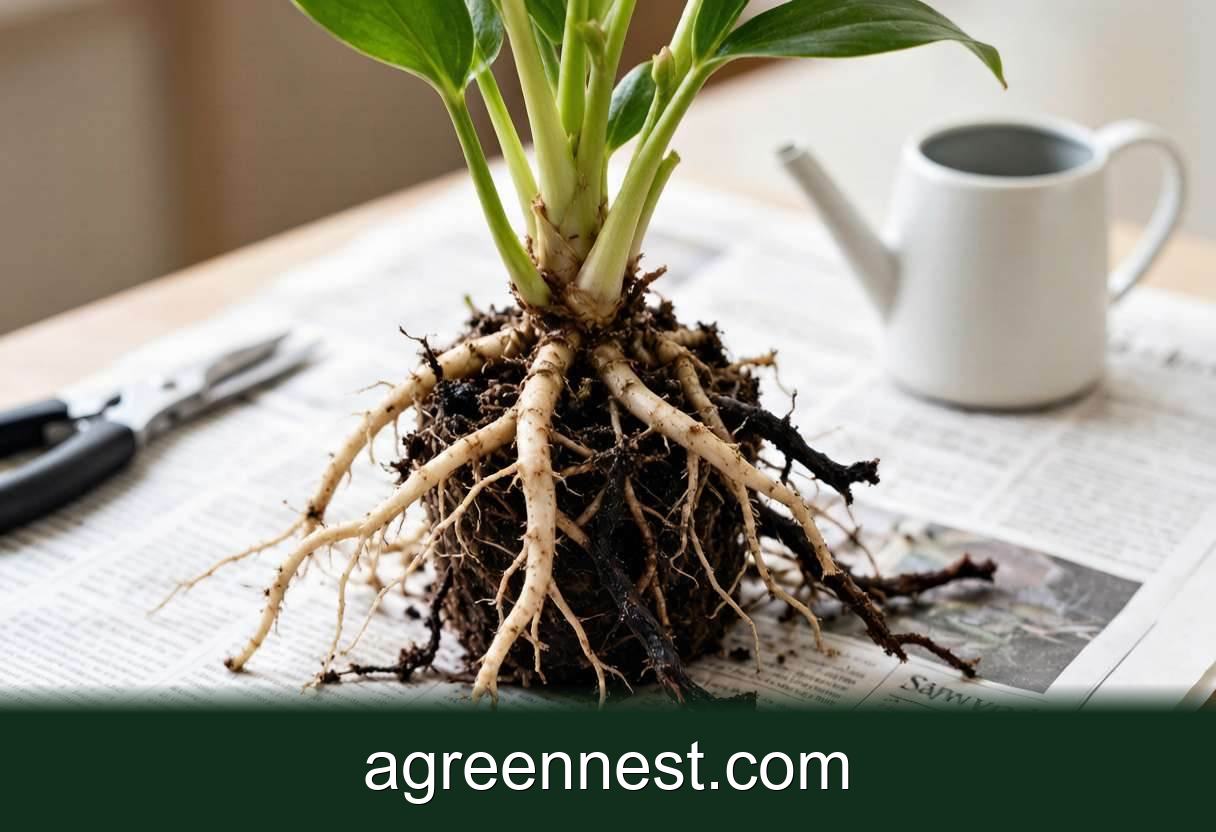
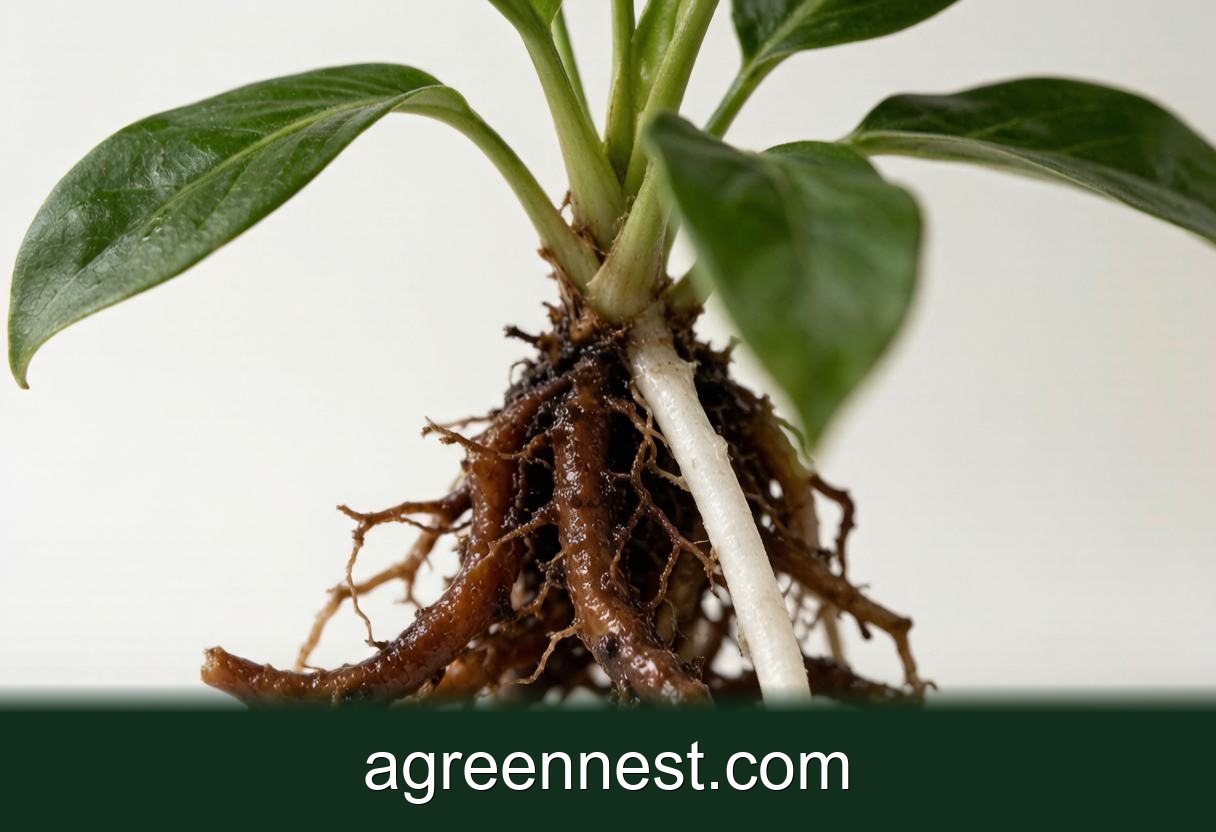
Watch for leaves that yellow and droop even when the soil feels wet. Soft, blackened stem bases near the surface are a red flag, as are roots that look brown, slimy, or hollow instead of white and firm. Sour, musty smells from the potting mix are the clearest signal of decay.
Healthy roots should be pale and snap cleanly between your fingers. If they feel like wet string and smell foul, rot has already set in. New growth stalls and lower leaves drop without obvious cause. A quick tug on the stem shows whether the base is still firm.
How Do You Save the Plant?
Slide the plant gently from its pot and shake off as much old mix as you can. Rinse the roots under lukewarm water near 70°F (21°C) so you can judge their true condition. Lay the plant on a clean towel to map firm roots against soft ones, then cut back every mushy, dark root until you reach firm, pale tissue.
Sterilize your scissors with 70 percent isopropyl alcohol between each cut. If the stem base is also soft, trim it to healthy tissue and let the wound callus for a day. For succulents this drying step is especially important before repotting.
Choose a fast-draining blend with coarse sand, perlite, and bark so air reaches the roots. Porous terracotta pots wick excess moisture away and keep the root zone from staying wet too long. The EPA highlights good drainage as the single most effective defense against rot.
Place the rescued plant in bright, indirect light and wait two to three days before the first watering so cuts can heal. Then water only when the top 2 inches (5 cm) of soil dry out, typically every 7 to 14 days. Hold off on fertilizer for at least four weeks, since feeding stressed roots can burn them.
Hydrogen peroxide at 3 percent can foam away surface bacteria on trimmed roots. A bright east window gives recovery light without harsh afternoon sun. New white root tips and fresh leaves are the signs your plant is bouncing back. Patience during this window matters more than any bottle on the shelf. Many rescued plants show life within three to six weeks.
Which Conditions Prevent a Relapse?
Always use pots with drainage holes and a gritty mix, and empty saucers of standing water after each watering. Water on a moisture reading rather than a fixed calendar, because the season changes how fast soil dries. Cornell guidance suggests repotting every one to two years to refresh compacted soil.
Keep the room between 65 and 75°F (18 and 24°C) and avoid cold drafts near the window. Consistency in these habits prevents the soggy conditions that started the problem. One quick weekly lift of the pot tells you whether it feels heavy with water. Self-watering pots hide the danger, so check them by hand.
Fresh mix each spring keeps pathogens from building up. A saucer left full for a day is enough to start trouble. Most owners overwater from worry, not from a real plan. Inspect the saucer, because hidden water there feeds the rot. APS guides stress sanitation over any single product. A dry top layer fools many owners into watering more. A weekly look under the pot catches trouble early. Clean tools spare the next plant sitting on the same shelf.
Frequently Asked Questions
Can a plant recover from root rot?
Yes, if you remove the rotted roots and repot in dry, gritty soil, many plants regrow healthy roots within three to six weeks.
How do I know if roots are rotten?
Rotted roots are brown, soft, and often smell foul, while healthy roots stay firm and pale.
Should I water right after repotting?
Wait two to three days so cut roots heal, then water only when the topsoil is dry to the touch.
Root rot feels alarming, yet it is very fixable once you fix the soil and the watering rhythm. The extension research agrees that prevention, not rescue, is the lasting answer, so build drainage into every pot. Browse our pest control tools for more ways to keep your GreenNest plants thriving and healthy.
Recommended Tools for Plant Pests & Diseases Care
Free, no-signup helpers matched to this guide.
🔍 Free Tool
Pest & Problem Identifier
Pick the symptoms you see and get the likely culprit plus a fix.
Free Ebooks to Explore
Downloadable handbooks — no email required.
Free Ebook
The AGreenNest Succulent Care Handbook
The complete, beginner-to-confident guide to growing fat, happy succulents — 10 chapters and a 20-plant directory.
Free Ebook
Haworthia & Haworthiopsis Care Handbook
A focused guide to the striped, forgiving Haworthia clan.
Sources & further reading
GreenNest authors research and write every guide independently. The external links below are reputable references we recommend for deeper reading — they are not the sources we copied from.
- American Phytopathological Society — APS
- Aggie Horticulture (Texas A&M) — Texas A&M AgriLife
- US EPA — Safer Pest Control — US EPA
Share Your Plant Story
Grown something tricky, or found a trick that finally worked? Tell us in the comments, or see what other readers are sharing on our Community page. The best reader tips get folded back into our guides.
Join the Conversation
Have a tip or a question about How to Save a Plant With Root Rot? Share it below — comments are saved on our server.