 AGreenNest
Plant Pests & Diseases
Whiteflies on Houseplants: How to Get Rid of Them
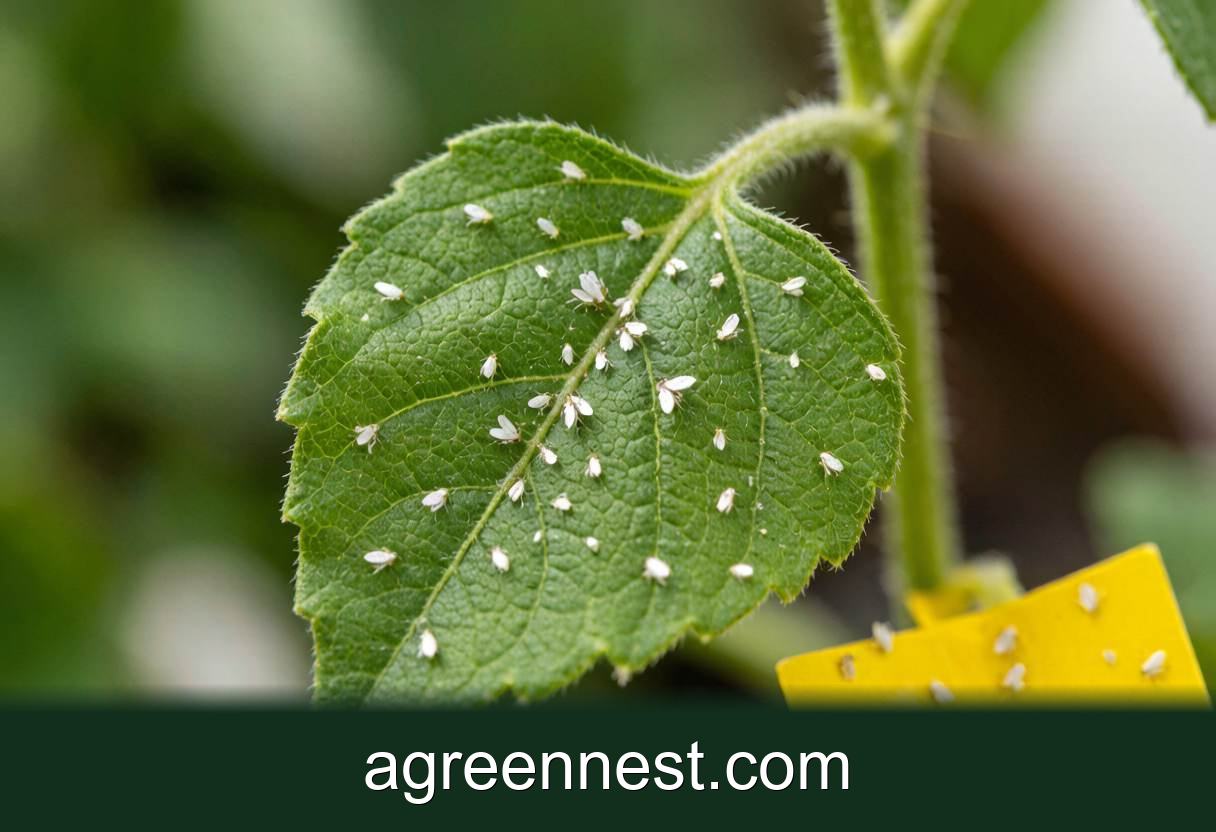
I checked what actually harms Whiteflies on Houseplants, and it is almost always the common indoor pests. Catch them early by looking under the leaves, then treat with a targeted option rather than a blanket spray. Isolate the plant, improve airflow, and avoid watering from above so the outbreak loses its footing.
Whiteflies are tiny white flying insects that burst off your plant in a cloud when you touch it. This guide explains how to spot them, break their life cycle, and reclaim your indoor garden, with methods drawn from university extension research and EPA guidance.
What Are Whiteflies?
Whiteflies are small, winged relatives of aphids and scale that feed on plant sap from the undersides of leaves. Despite the name, they are not true flies but members of the hemipteran group of piercing insects, as NC State Extension notes in its plant toolbox.
Adults are about the size of a pinhead, powdery white, and quick to take flight. The immature stage, called a nymph, is flat, translucent, and glued to the leaf where it feeds. The nymph passes through four instars before reaching adulthood, all while stuck to one spot. They favor tender houseplants such as Hibiscus rosa-sinensis and Pelargonium species, though few indoor plants stay safe once an infestation starts.
How Do Whiteflies Spread?
Warm, still air and soft new growth create a perfect whitefly nursery. Greenhouses and sunrooms are classic hotspots, but any cozy room with overwatered, tender leaves will do. They flourish when indoor temperatures sit between 21 and 27 °C (that is 70 to 80 °F) and struggle once the room drops below 10 °C. Because they reproduce fast, a few stray adults can become hundreds within a month if you do nothing.
Adults flutter to nearby plants to lay eggs, usually in neat rings on leaf undersides. Each female can deposit several hundred eggs, and warm homes let them hatch in about a week at 24 °C (roughly 75 °F). Newly hatched crawlers move a short distance, then settle and feed for weeks, which is why hitting every stage matters more than killing the fliers.
Signs of a Whitefly Problem
Whiteflies announce themselves loudly, but the damage builds quietly. Look and feel for a cloud of tiny white insects when you brush the foliage, and check the undersides of leaves where adults rest. Sticky honeydew and black sooty mold on upper leaves are a clear tell, along with yellowing, wilting, or stunted new growth.
The honeydew they excrete attracts ants and feeds sooty mold, which blocks light and further weakens the plant. Oregon State Extension warns that heavy feeding on crops like indoor Solanum lycopersicum (tomato) can stall growth fast, so early scouting pays off.
Step 1: Isolate the Plant Immediately
The moment you see a whitefly cloud, move the plant far from others, ideally into a separate room. Whiteflies fly, so distance and a closed door are your best barriers against spread.
Do not bring the infected pot near healthy plants to water it, and wash your hands after handling it. A single adult can restart the problem on a neighbor, so isolation is not optional when you want to protect the rest of your collection.
Step 2: Yellow Sticky Traps
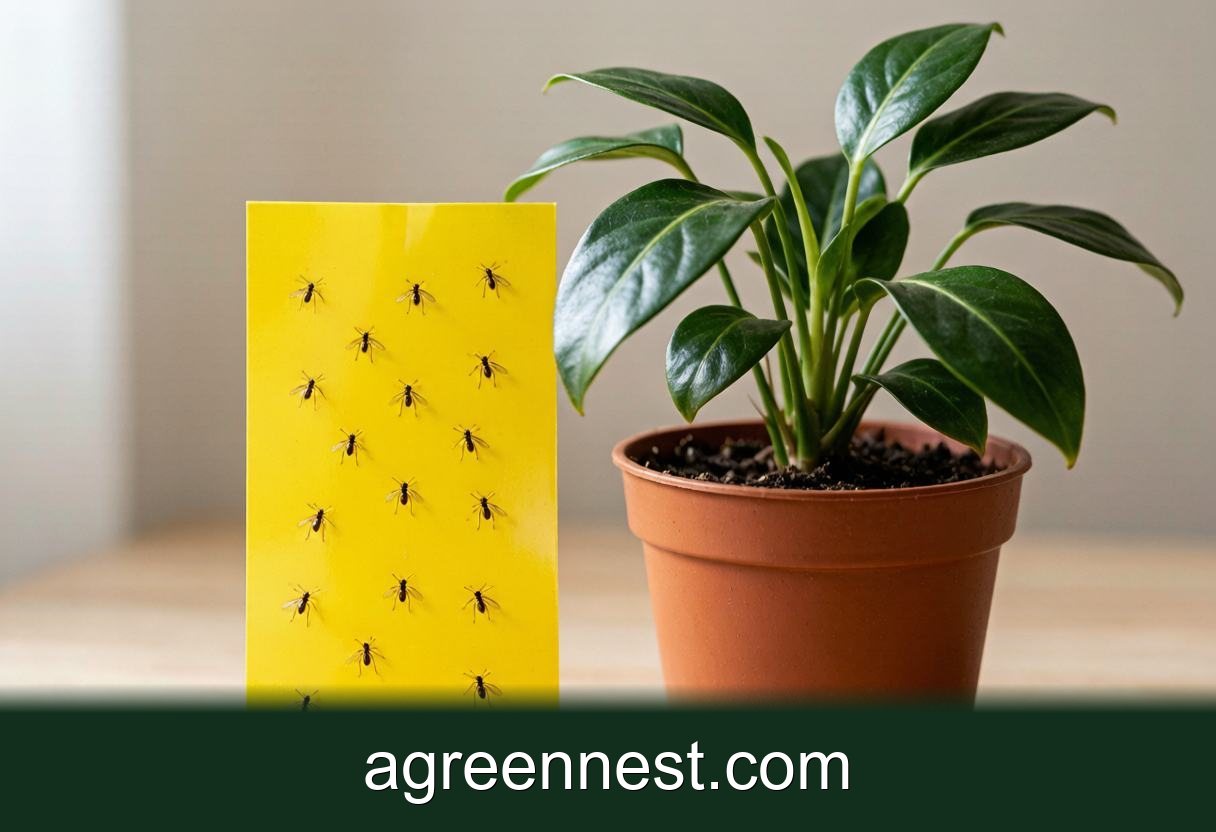
Yellow sticky traps are the simplest, chemical-free way to cut the adult population. Whiteflies are drawn to yellow and get stuck the instant they land, which interrupts egg laying before it begins.
Place one or two traps at the canopy level of the plant and nearby pots. Check them every few days and replace when covered. Traps do not kill eggs or nymphs, but they intercept adults before they lay more, so the next generation shrinks instead of growing.
Step 3: Vacuum Them Up
A handheld vacuum is a surprisingly effective whitefly weapon. Gently suck the adults off the leaves, especially on calm mornings when they are less active and sluggish.
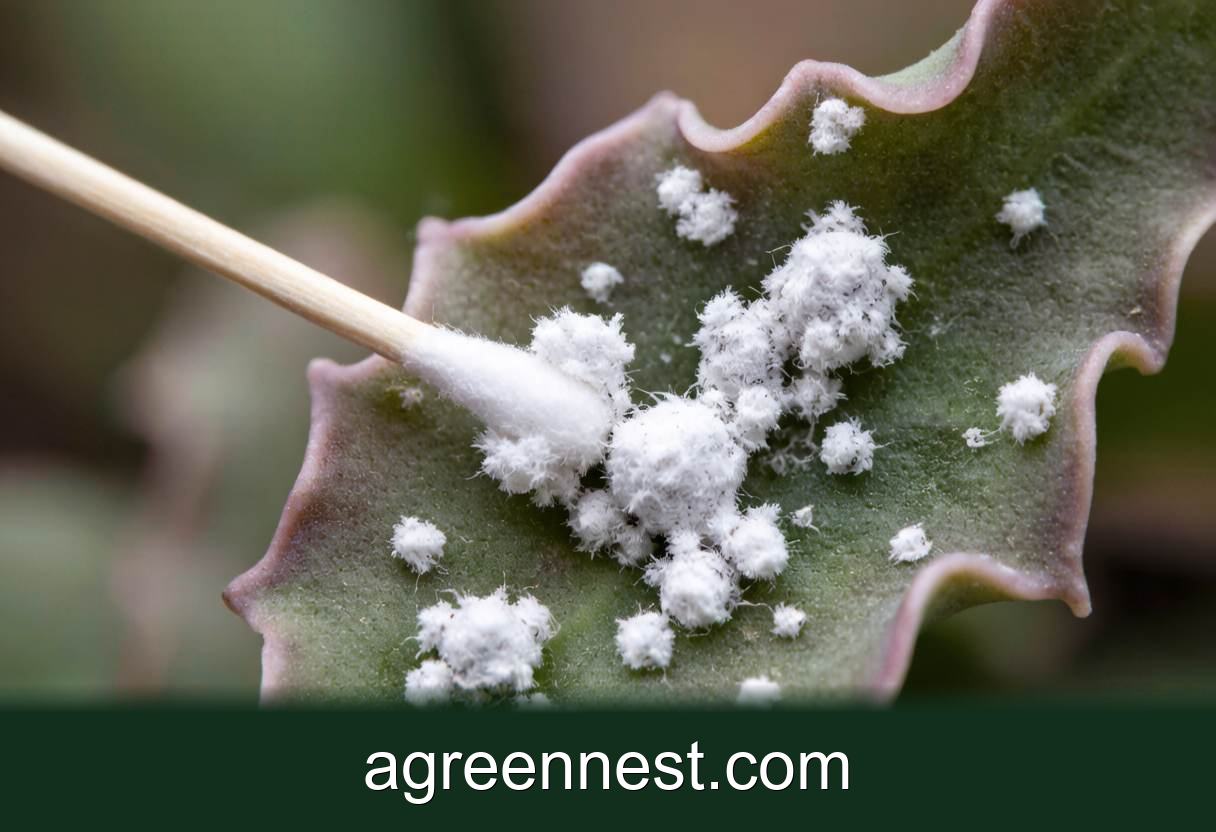
Empty the canister outside right away so nothing escapes back indoors. Follow up by wiping leaf undersides with a damp cloth to remove settled nymphs, since the vacuum misses the glued stage entirely.
Step 4: Insecticidal Soap
Insecticidal soap is the go-to spray for whitefly nymphs and adults. The fatty acids pierce their soft bodies on contact, with no lingering toxic residue, which the EPA highlights as a lower-risk option for indoor use.
Coat the undersides of leaves thoroughly, since that is where whiteflies live. Reapply every five to seven days for three to four weeks to catch newly hatched crawlers. Spray in the early morning or evening to avoid leaf burn, and test a single leaf first if the plant is sensitive.
Step 5: Neem Oil for the Life Cycle
Neem oil complements soap by disrupting whitefly hormones and feeding, so eggs and crawlers that survive the soap still fail to mature. Its plant-derived action is safe for regular use when label directions are followed.
Mix a label-directed solution and mist all leaf surfaces, focusing underneath. Repeat every seven days alongside the soap schedule until no adults appear for two full weeks. Consistency here is what separates a solved problem from a recurring one.
Breaking the Life Cycle
Whiteflies win when you treat once and walk away. Their strength is speed, so your strength must be consistency across every stage.
Trap and vacuum adults weekly to stop new eggs, and soap and neem the foliage on a fixed seven-day beat. Keep the plant isolated until two clean weeks pass, and quarantine new plants so you never import them again. This repeating routine starves each generation before it can reproduce, which is the only reliable way to end an infestation.
How Long Does It Take to Eliminate Whiteflies?
With traps, vacuuming, soap, and neem on a steady schedule, most home infestations clear in three to four weeks. The clock starts when you begin the weekly routine, not when you first notice the cloud.
Heavier outbreaks on large plants can run longer, sometimes six to eight weeks, because eggs keep hatching between sprays. Patience and a fixed calendar beat panic spraying, which only wastes product and stresses the plant.
Prevention Tips
Stop whiteflies before they start with a few simple habits. Inspect new plants for two weeks in quarantine, and use yellow sticky traps as an early-warning monitor near your most tender specimens.
Avoid over-fertilizing, since lush soft growth draws whiteflies in search of sap. Improve airflow with a small fan to discourage settling, and wipe leaves monthly to remove dust, eggs, and nymphs before they establish.
Pet and Child Safety
Insecticidal soap and neem oil are low toxicity but can irritate skin or stomachs, so store bottles out of reach and let sprayed leaves dry before contact. Sticky traps should sit where curious pets and toddlers cannot pull them down or lick them. Keep the vacuum and traps away from play areas during treatment, and ventilate the room after any spray.
Frequently Asked Questions
Q: Are whiteflies harmful to humans?
A: Whiteflies do not bite or sting people, but the sprays used to control them should be kept away from skin and eyes per EPA guidance.
Q: Can whiteflies live without a plant?
A: Adults survive only a short time without feeding, but eggs and nymphs need a live host, so remove the plant and they fade fast.
Q: Will whiteflies kill my houseplant?
A: Heavy, untreated feeding causes yellowing and decline, but plants usually recover once the pest is controlled with a steady routine.
Whiteflies are annoying but beatable when you attack every life stage on a schedule backed by extension research. For more help, explore our pest control hub and keep your indoor garden pest-free through regular scouting and quick isolation.
Recommended Tools for Plant Pests & Diseases Care
Free, no-signup helpers matched to this guide.
🔍 Free Tool
Pest & Problem Identifier
Pick the symptoms you see and get the likely culprit plus a fix.
Free Ebooks to Explore
Downloadable handbooks — no email required.
Free Ebook
The AGreenNest Succulent Care Handbook
The complete, beginner-to-confident guide to growing fat, happy succulents — 10 chapters and a 20-plant directory.
Free Ebook
Haworthia & Haworthiopsis Care Handbook
A focused guide to the striped, forgiving Haworthia clan.
Sources & further reading
GreenNest authors research and write every guide independently. The external links below are reputable references we recommend for deeper reading — they are not the sources we copied from.
- NC State Extension — Plant Toolbox — NC State Extension
- Oregon State University Extension — Oregon State Extension
- US EPA — Safer Pest Control — US EPA
Share Your Plant Story
Grown something tricky, or found a trick that finally worked? Tell us in the comments, or see what other readers are sharing on our Community page. The best reader tips get folded back into our guides.

Join the Conversation
Have a tip or a question about Whiteflies on Houseplants: How to Get Rid of Them? Share it below — comments are saved on our server.