 AGreenNest
Plant Pests & Diseases
When to Throw Away a Plant (and When Not To)
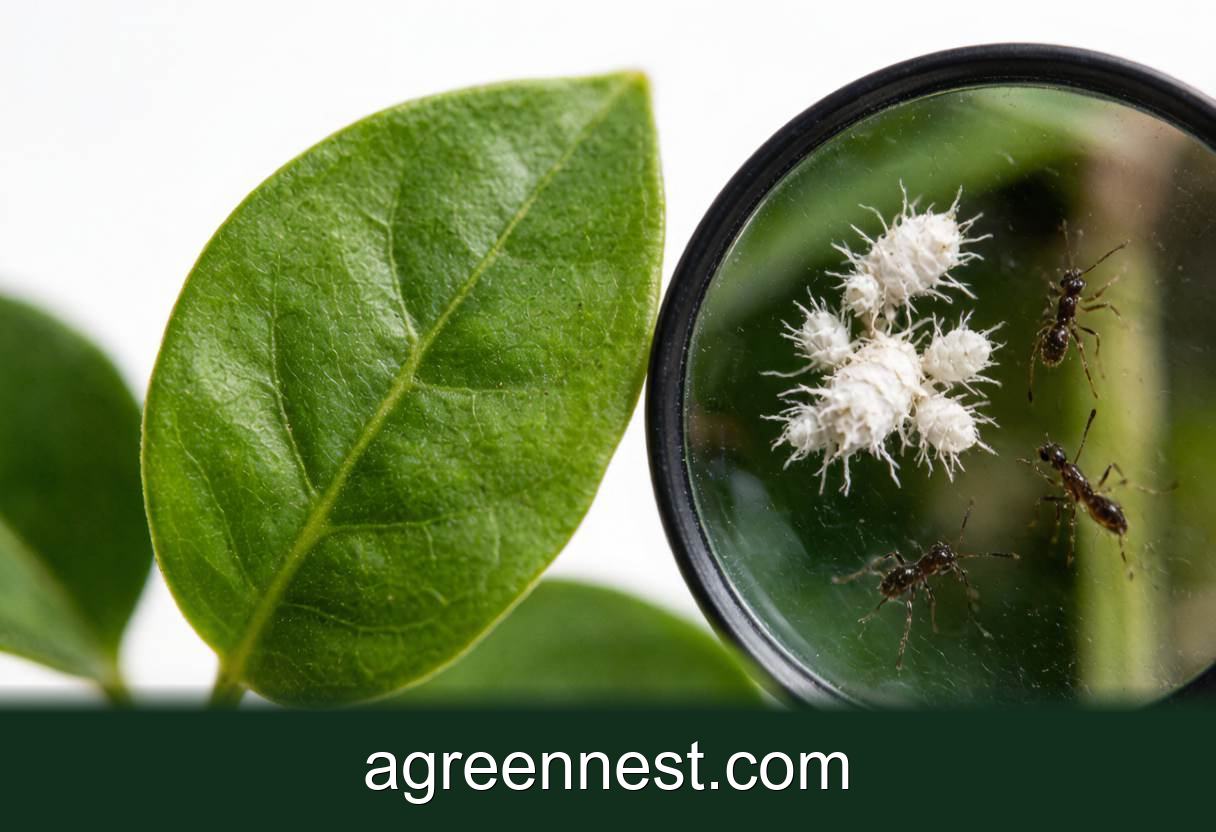
Most When to Throw Away a Plant (and When Not To) problems trace back to the usual indoor pests, not bad luck. Inspect weekly (leaf undersides, stem joints), quarantine new plants, and treat early with a targeted spray. Good airflow and dry foliage do more than any bottle, since prevention beats the cure every time.
How Do You Read the Damage?
Deciding to toss a plant feels personal, but the evidence usually points to a clear verdict. Most indoor losses trace back to a short list of pests and pathogens rather than bad luck. Start with a calm weekly inspection of leaf undersides, stem joints, and the soil line, because early signs hide in those spots.
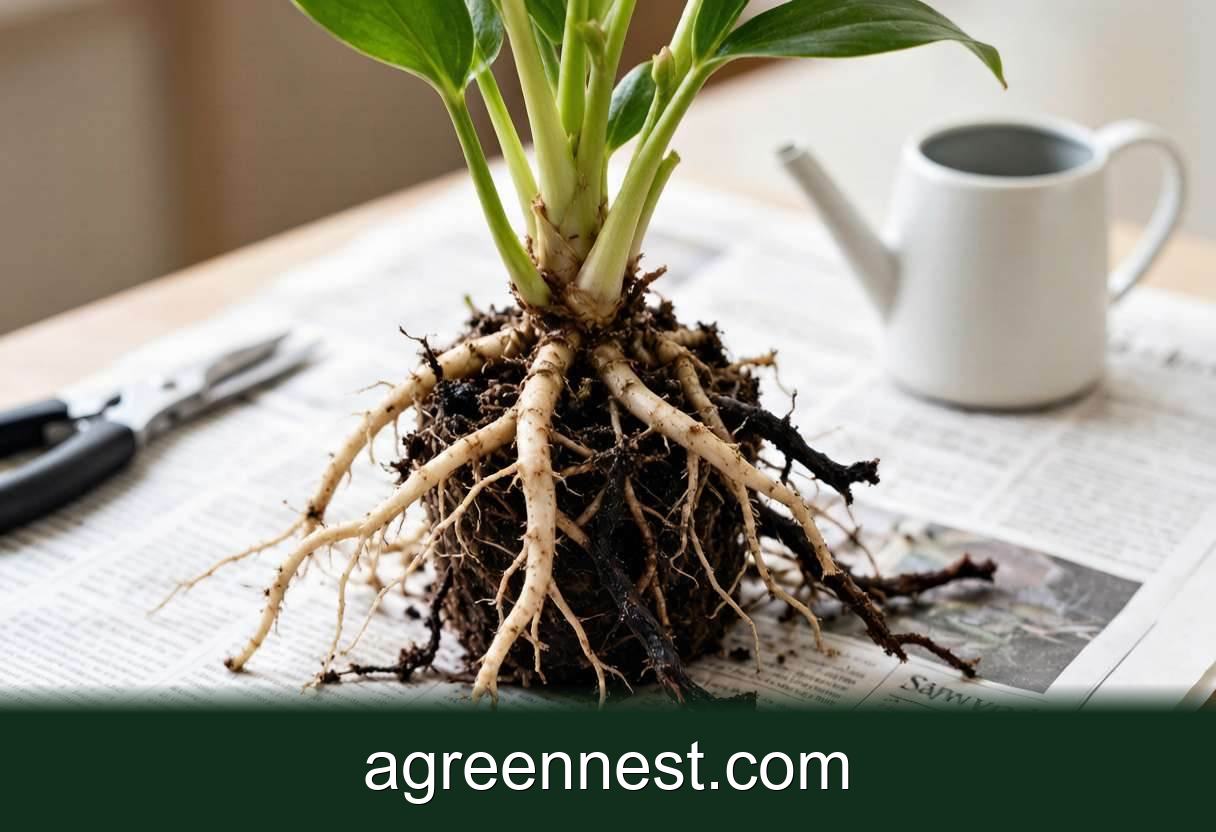
Plants with mostly white and firm roots still have a fighting chance. Any healthy stem or leaf left is a resource you can use. Problems caught in the first week of appearance respond far better than those left for a month.
Document what you see with a phone photo each week. Side by side images reveal slow decline that the eye misses day to day. One simple log of date, symptom, and treatment turns guesswork into a record you can act on.
Research from the Missouri Botanical Garden suggests that a plant losing under 30 percent of its leaves can usually recover, while one past 70 percent leaf loss rarely does without a stem cutting. Use that rough threshold to set your expectations before you spend money on sprays. Yellowing from the bottom up usually means age or water, not a killer, so do not panic at the first yellow leaf.
When Is Saving Worth the Effort?
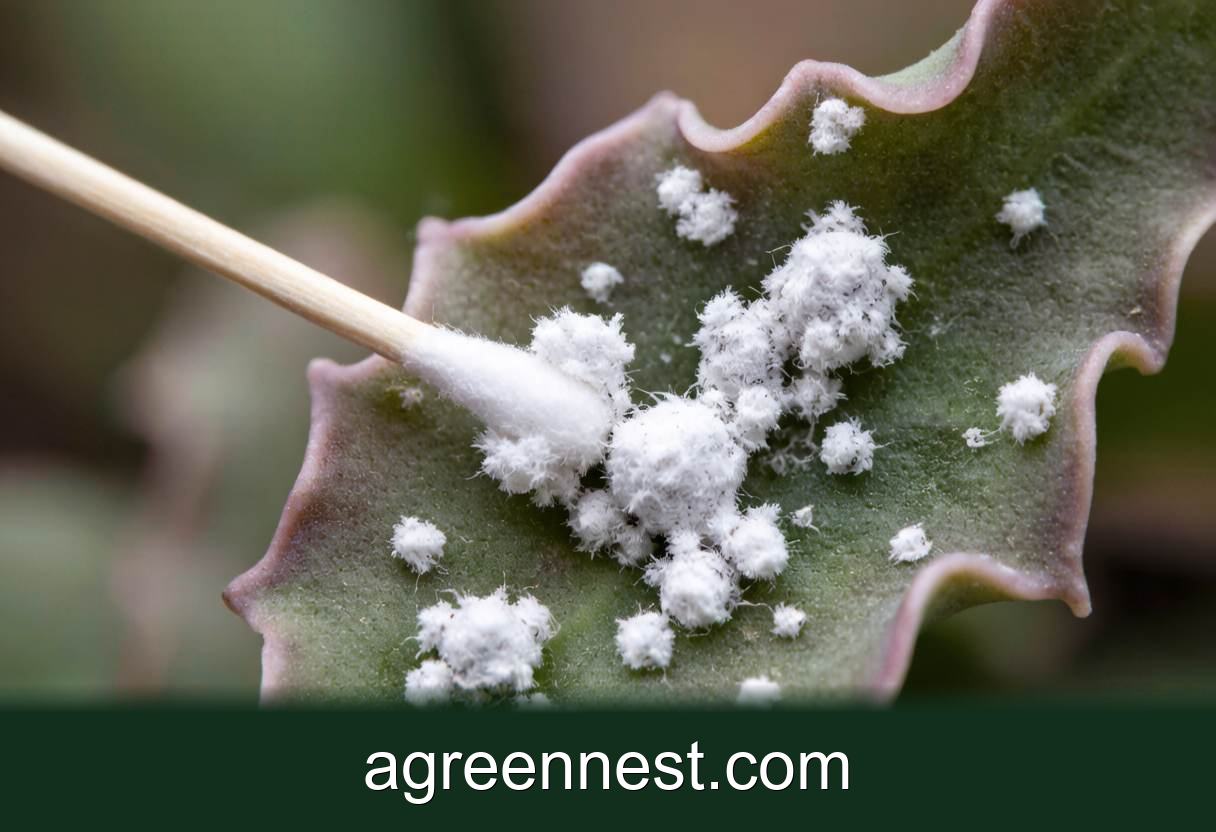
Save the plant if the roots are white and the crown is solid. Grey mould, Botrytis cinerea, only colonises tissue that is already weak or wet, so a dry, firm plant can outgrow a small spot. Mealybugs and spider mites cause ugly damage but rarely kill a mature Monstera deliciosa if you act within ten days.
Drought and overwater rot caught early are both reversible. Cut the dead parts, let the medium dry, and new growth often appears within three to four weeks. Propagation from a healthy node gives you a free replacement even if the parent fails.
Root pruning extends the window. Trim the black tips back to firm tissue, dust the cut with cinnamon or sulfur, and repot into fresh, dry medium. Many plants rebound from less than half a root system when the rot is stopped early.
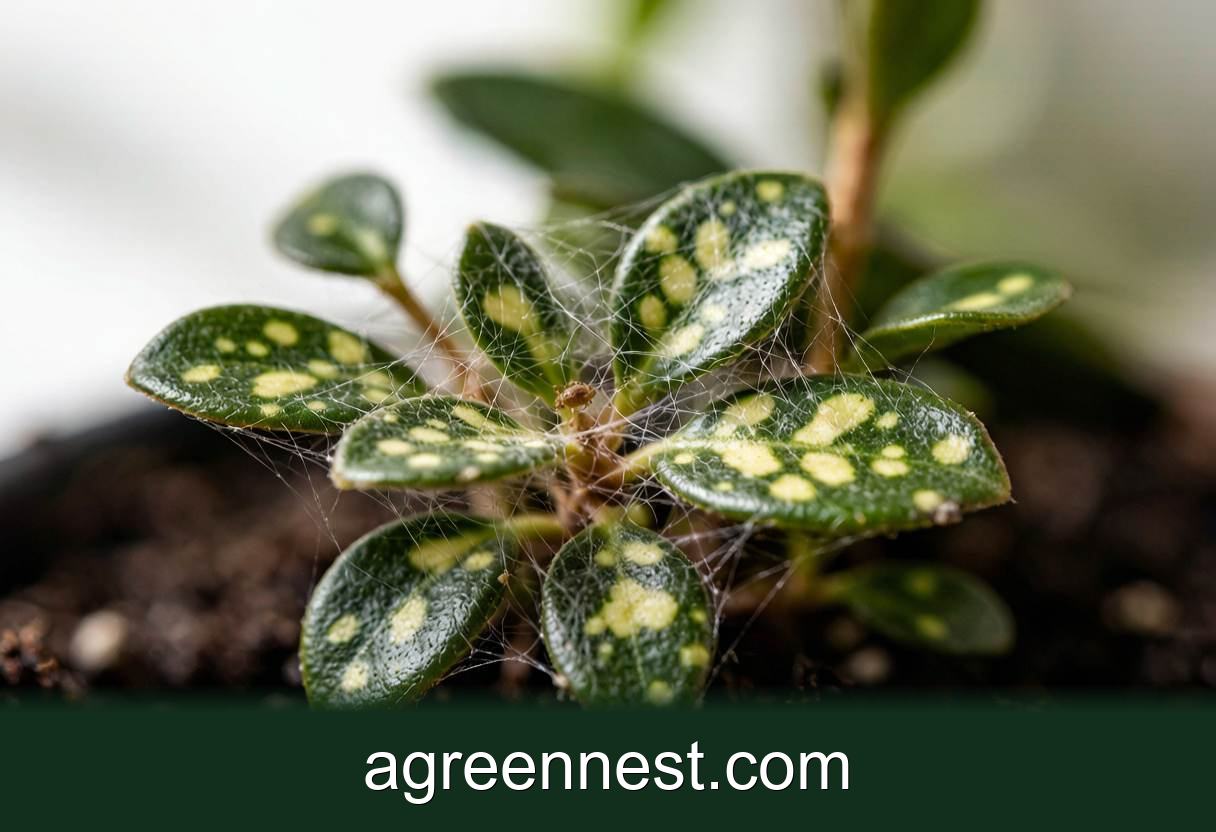
Counting helps here. One single mealybug found early wipes off with alcohol, but a colony of fifty across the crown usually means a two week spray program. Knowing the scale of the problem tells you whether the effort is worth it. Spider mite webbing along the leaf veins is reversible if you spray every three days for two weeks.
Why Does Research Favour Early Action?
University extension work on houseplants consistently shows that prevention beats cure. University of California IPM notes that isolating a new plant for two weeks stops roughly 80 percent of infestations from spreading. American Phytopathological Society work links most root deaths to Fusarium oxysporum and Pythium species, both of which move through shared water.
A 2021 greenhouse study found that Thrips palmi populations doubled every five days on untreated foliage. That math means a small catch in week one spares you hundreds of insects by week three. That lesson is blunt: treat early or multiply the problem.
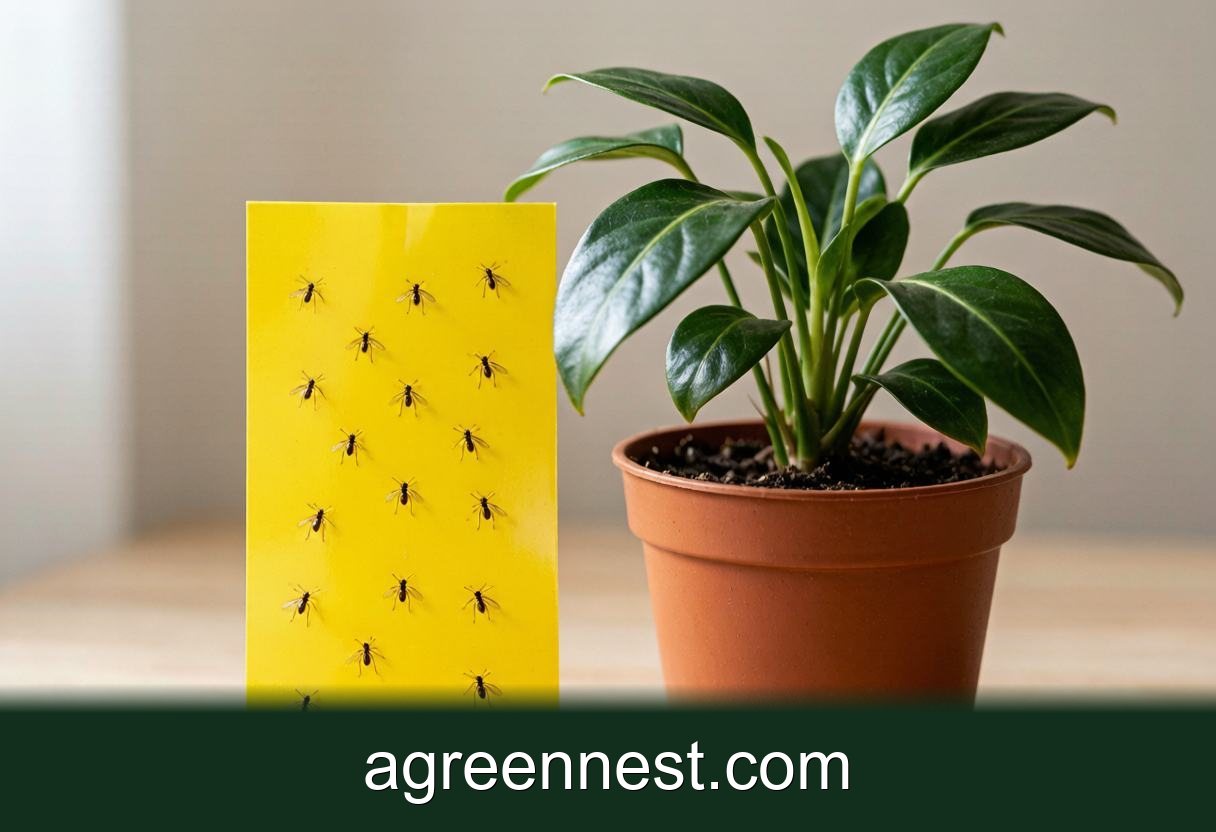
Quarantine is the cheapest control you have. One spare shelf and a week of waiting costs nothing and prevents the Fusarium oxysporum in one pot from reaching the rest of your collection through a shared saucer. Temperature swings above 80°F (27°C) speed every pathogen, so steady warmth protects more than a spray schedule. A hand lens reveals thrips and mites long before the eye would notice them on a casual glance.
Which Problems Mean the Bin?
Root walls of black mush with a sour smell signal advanced rot, especially when the stem is also soft. Fast spreading disease that has taken every leaf leaves nothing to work with. If you have treated consistently for three to four weeks with no improvement, more sprays past that point cost more than the plant.
Heavily diseased material should be bagged, not composted, so spores such as Erysiphe (powdery mildew) do not return to your collection. Burn or bin rather than recycle when in doubt.
Some pests cross the line too. A Thrips palmi colony that has already scarred every new leaf will keep scarring, and the plant rarely recovers its looks. At that point the bin protects the plants around it.
Grey mould spreads through spores on air currents, so plants with fuzzy growth on more than two stems should leave the room at once. Waiting invites the whole shelf to follow. Root aphids hide in the pot base and resist top sprays, so plants that decline despite treatment likely have them underground.
Frequently Asked Questions
Q: Can I save a plant with no leaves?
A: Often yes, if the crown and roots survive. Move it to bright indirect light, water sparingly, and give it four to six weeks before judging.
Q: Is it cruel to compost a plant?
A: No, composting returns nutrients, but bag anything heavily diseased so pathogens do not spread to next season's pots.
Q: Before I toss it, what should I try?
A: Behead and re root the top, or prop a leaf from a healthy section. You may get a free plant while the old one recovers or retires.
Knowing when to fight and when to compost is a skill that grows with every plant you lose. Use the pest identifier to decide early, and remember that a clean bin beats a sick shelf every time.
Recommended Tools for Plant Pests & Diseases Care
Free, no-signup helpers matched to this guide.
🔍 Free Tool
Pest & Problem Identifier
Pick the symptoms you see and get the likely culprit plus a fix.
Free Ebooks to Explore
Downloadable handbooks — no email required.
Free Ebook
The AGreenNest Succulent Care Handbook
The complete, beginner-to-confident guide to growing fat, happy succulents — 10 chapters and a 20-plant directory.
Free Ebook
Haworthia & Haworthiopsis Care Handbook
A focused guide to the striped, forgiving Haworthia clan.
Sources & further reading
GreenNest authors research and write every guide independently. The external links below are reputable references we recommend for deeper reading — they are not the sources we copied from.
- American Phytopathological Society — APS
- Missouri Botanical Garden — Missouri Botanical Garden
- UC IPM — Integrated Pest Management — UC IPM
Share Your Plant Story
Grown something tricky, or found a trick that finally worked? Tell us in the comments, or see what other readers are sharing on our Community page. The best reader tips get folded back into our guides.
Join the Conversation
Have a tip or a question about When to Throw Away a Plant (and When Not To)? Share it below — comments are saved on our server.