 AGreenNest
Hydroponic Growing
Preventing Algae in Hydroponic Systems
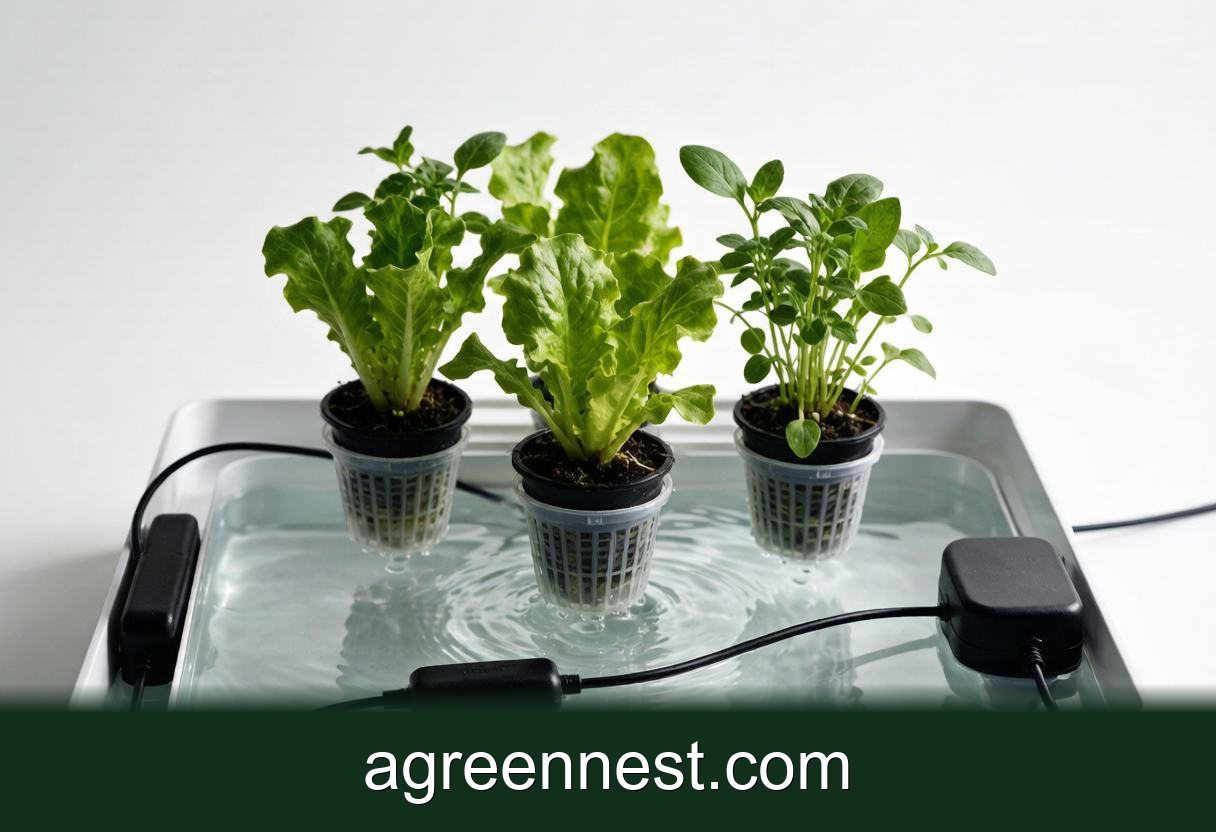
Run Preventing Algae in Hydroponic Systems at steady strength: 1.5-2.0 EC, pH 5.8-6.2, reservoir 18-22 C. Provide 13-16 hours of grow-light or bright supplemental light for 14-16 hours a day. The only common failure is stale solution, so top up daily and swap the reservoir every 7-14 days so roots stay white and active.
Algae turns a clear reservoir green and wastes the nutrients your plants paid for. The fix is almost always about light and cleanliness, not chemistry. Keep the root zone between 18 and 22 °C, hold the solution at 1.5 to 2.0 EC and pH 5.8 to 6.2, and you remove the conditions algae love. Crops like Lactuca sativa and Ocimum basilicum grow best in that clean, dark root zone. Top up daily and swap the reservoir every 7 to 14 days so the solution never goes stale. Most blooms stay invisible for a week, then explode once spores find light. This guide gives the numbers first, then the routine that keeps your system clear through every season.
Why Does Algae Appear in Reservoirs?
Algae need only two things to live: light and dissolved nutrients. An open, lit reservoir supplies both, so growth starts within a few days if you leave the water exposed. Once established, algae steal food from your plants, swing the pH upward, and give pests a sheltered place to breed. Warm water above 24 °C speeds every stage of the problem, and a stale solution makes it worse by concentrating organics. Catch the bloom early and the cleanup is a quick swap. Let direct light hit the nutrient film and you have basically invited the colony to stay. A green tint on the lid is the first warning sign worth acting on. A healthy system stays clear because the grower controls both inputs from day one.
What Light Conditions Feed Algae?
Sunlight through a nearby window is the usual culprit, but grow lights aimed at the water line count just as much. Even soft reflected light off a white wall can feed a slow bloom over several weeks. The practical rule is simple: if you can see the nutrient solution, algae can eventually use it. Cover every surface that holds liquid, including the return pipes and the underside of lids. A 13 to 16 hour light schedule is fine for the canopy as long as none of it reaches the reservoir. Shield the tank and the battle is half won before it begins. Measure light at the water surface with a phone meter if you are unsure where stray beams land.
How Do You Block Light Effectively?
Use an opaque bucket and a lid with only the net pot hole left open. Line any exposed pipes with foil tape or dark tubing so no green film forms inside the walls. Paint clear reservoirs matte black, or slip them into a dark fabric sleeve before filling with solution. Keep the roots in total darkness from the seedling stage to the final harvest. Check the lid edges every week, because a warped lid can leak a bright stripe of light straight onto the water. Small gaps cause large blooms within a couple of weeks of warm weather. Build the cover before you plant, not after you notice green, and the problem rarely starts.
Which Nutrient Habits Prevent Algae?
Avoid over feeding, since excess nutrients feed algae just as readily as your plants do. Mix to the label strength for your crop, usually 1.5 to 2.0 EC for greens such as Spinacia oleracea, and resist chasing faster growth with extra doses. Top up daily with plain water when the level drops, and swap the full reservoir every 7 to 14 days without exception. Rinse the system between crops using a mild peroxide solution, then scrub and let it dry. A clean start removes the spores that survive from one run to the next. Test the pH each morning, because a drifting value signals that something organic is breaking down in the tank. Tight feeding discipline is cheaper than any additive sold as an algae cure.
When Should You Clean Between Crops?
Plan a full teardown after every harvest or at least every 6 to 8 weeks of continuous running. Disassemble the lines, brush the channels, and flush with clean water held near 20 °C. Replace any cloudy tubing rather than trying to scrub it back to clear. Dry the parts in shade for a few hours before you reassemble the unit. This short pause costs a single day but removes the biofilm that chemicals leave behind. Skipping it is the most common reason a second crop fails within a month. Mark the cleanup date on a calendar so the habit survives a busy week. Keep a spare bucket ready so the swap takes minutes rather than hours. A fresh system every two months keeps yields steady and roots white.
Frequently Asked Questions
A
Block all light immediately, change the solution completely, and scrub every surface. Then keep the reservoir dark going forward so it cannot return.
A
Mostly cosmetic, but it competes with your plant and can harbour fungus gnats and unwanted bacteria.
A
A light dose helps during cleanup, yet blocking light is the lasting fix. Do not rely on it as a weekly routine.
Dark equals clean in hydroponics, and a covered reservoir is the cheapest insurance you can buy. Build the habit with our care schedule tool and check the lid edges every weekend. Within a month the routine feels automatic, and your roots will stay white and active all season long. Start the cover before the next planting and the green never gets a footing.
Recommended Tools for Hydroponic Growing Care
Free, no-signup helpers matched to this guide.
Free Ebooks to Explore
Downloadable handbooks — no email required.
Free Ebook
The AGreenNest Succulent Care Handbook
The complete, beginner-to-confident guide to growing fat, happy succulents — 10 chapters and a 20-plant directory.
Free Ebook
Haworthia & Haworthiopsis Care Handbook
A focused guide to the striped, forgiving Haworthia clan.
Sources & further reading
GreenNest authors research and write every guide independently. The external links below are reputable references we recommend for deeper reading — they are not the sources we copied from.
- NC State Extension — Plant Toolbox — NC State Extension
- University of Minnesota Extension — U Minnesota Extension
- UF/IFAS Gardening Solutions — UF/IFAS
Share Your Plant Story
Grown something tricky, or found a trick that finally worked? Tell us in the comments, or see what other readers are sharing on our Community page. The best reader tips get folded back into our guides.
Join the Conversation
Have a tip or a question about Preventing Algae in Hydroponic Systems? Share it below — comments are saved on our server.