 AGreenNest
Hydroponic Growing
Indoor Hydroponic Lettuce: Grow Salad on Your Counter
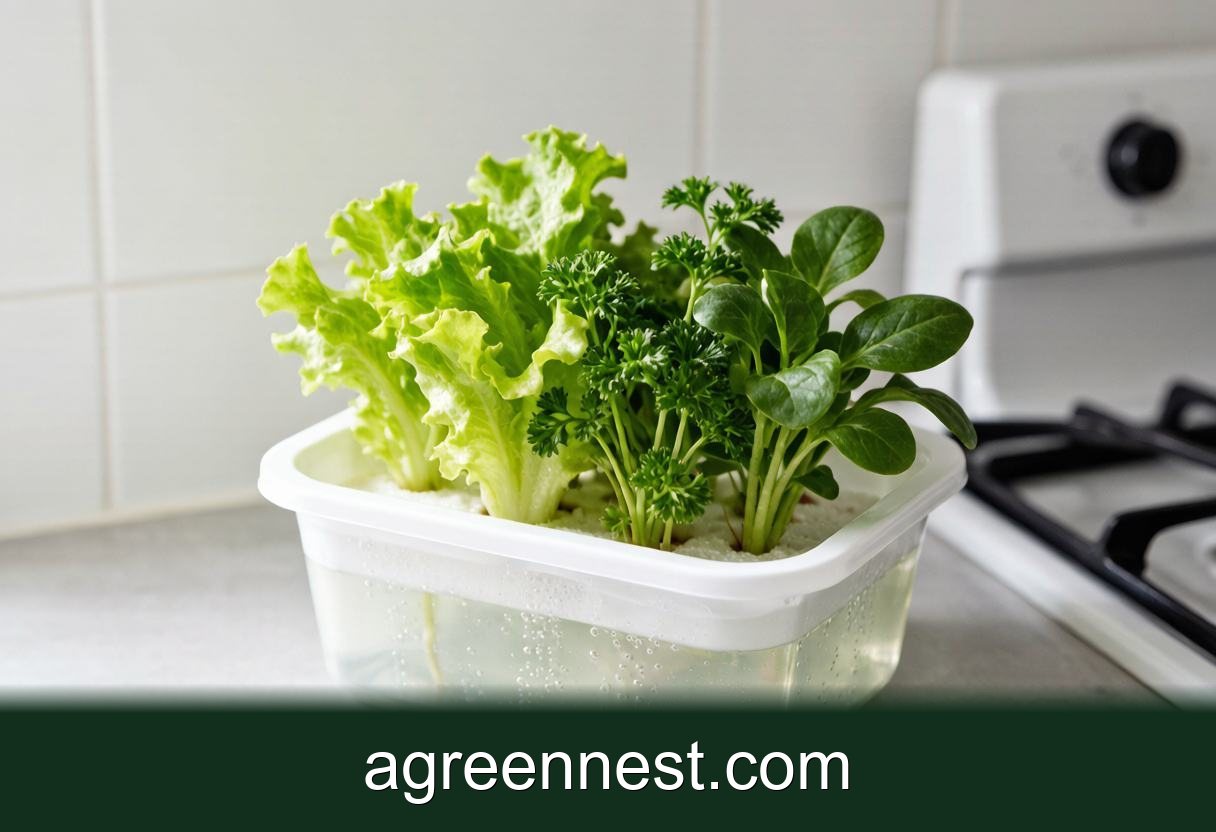
Run Indoor Hydroponic Lettuce at steady strength: 1.5-2.0 EC, pH 5.8-6.2, reservoir 18-22 C. Provide 13-16 hours of grow-light or bright supplemental light for 14-16 hours a day. The only common failure is stale solution, so top up daily and swap the reservoir every 7-14 days so roots stay white and active.
Imagine snipping fresh lettuce for a salad without stepping outside. With a small indoor hydroponic setup, that daily harvest is realistic even in a tiny kitchen.
Why Lettuce Is the Perfect Indoor Crop
Lettuce is the undisputed beginner crop for soil-free growing. It grows fast, forgives mistakes, and does not need intense light like fruiting plants do. A countertop system can produce a continuous supply of leaves in just a few weeks.
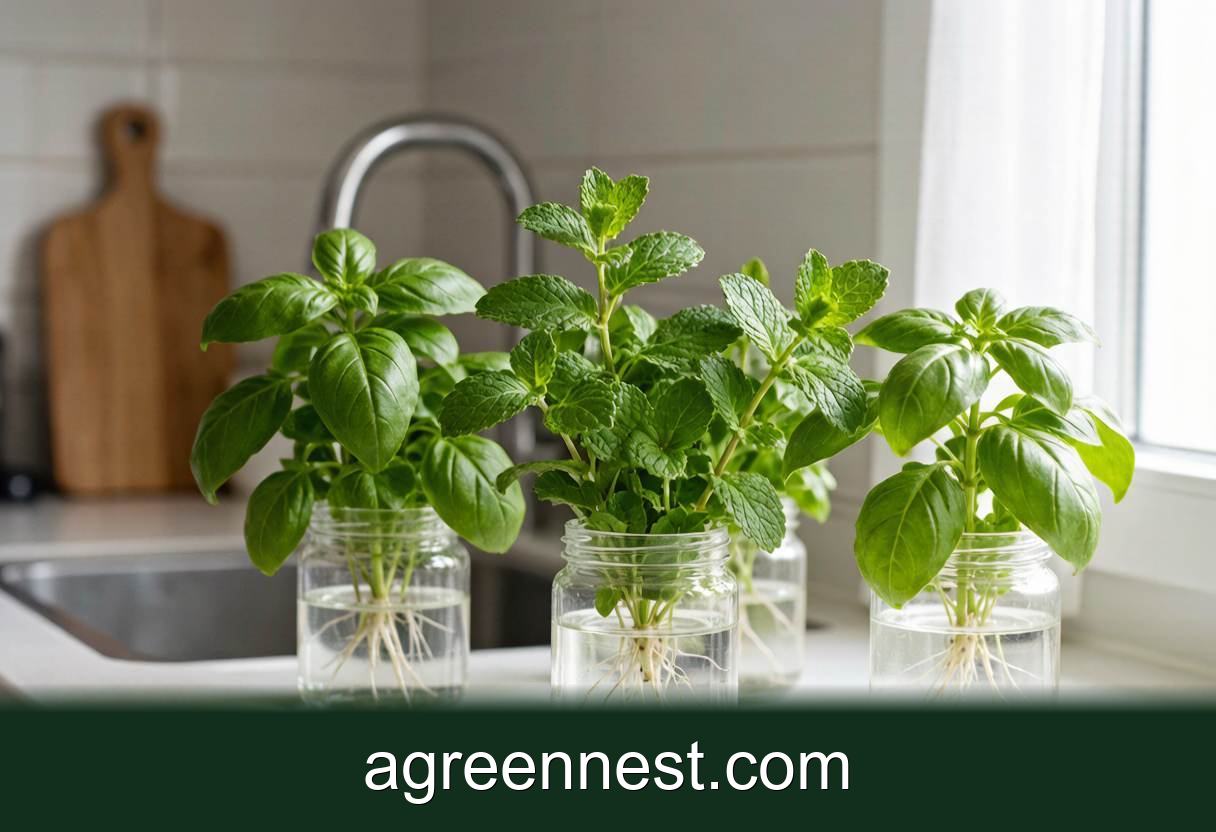
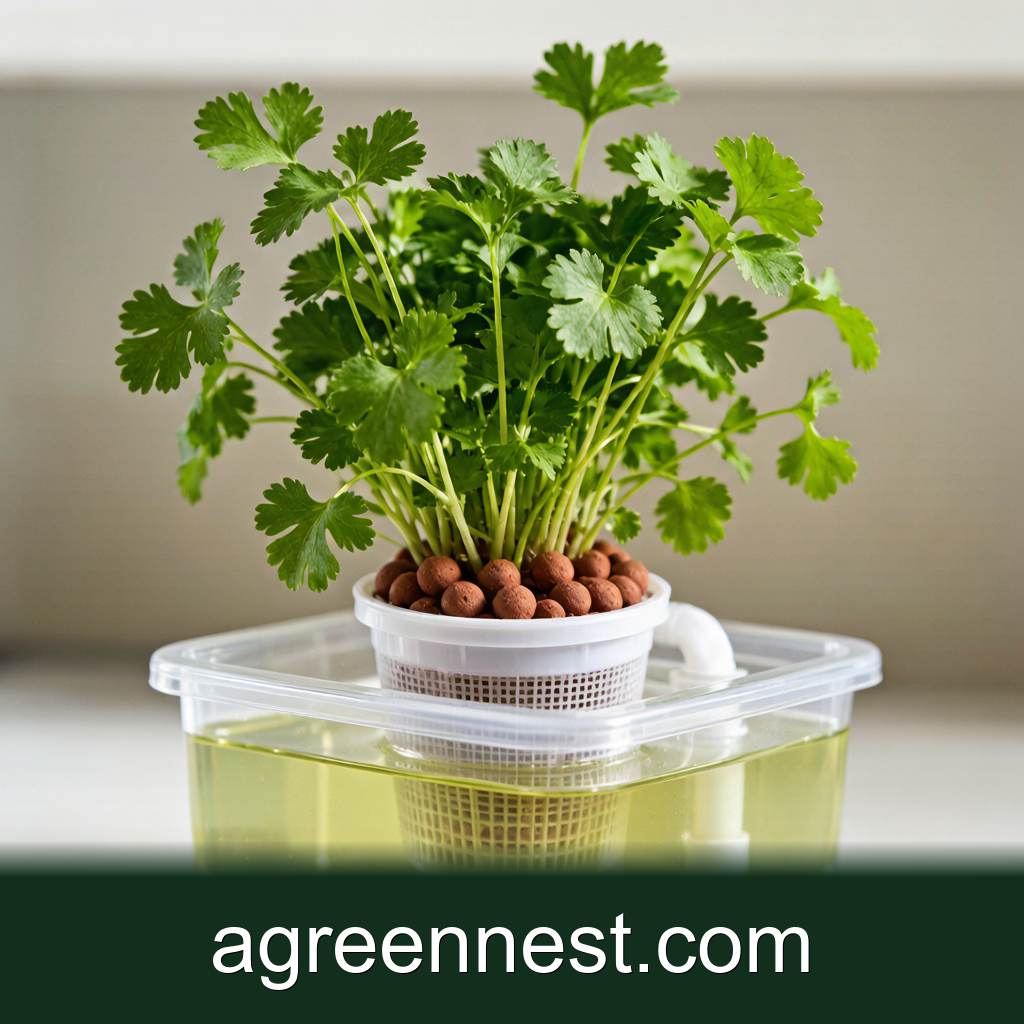
Herbs such as basil, mint, and cilantro pair perfectly with lettuce because they share similar light and nutrient needs. Together they turn a single small garden into a real flavor station for your cooking.
Choosing Varieties That Thrive
Not every lettuce behaves the same in water. Loose-leaf types outperform heading varieties because you harvest outer leaves and let the plant keep producing.
- Butterhead and Bibb: tender, sweet, and quick to mature.
- Loose-leaf mixes: colorful, cut-and-come-again champions.
- Romaine: crisp and sturdy, great for wraps and sandwiches.
- Basil: the easiest herb, loves warmth and bright light.
Avoid iceberg types for your first try; they take longer and demand more stable conditions. Stick with loose-leaf and you will taste success within a month.
Light: How Many Hours?
Lettuce likes bright but not scorching light. Aim for 12 to 16 hours of light per day using a full-spectrum LED grow light. Too little light makes plants leggy and pale; too much heat from old bulbs can wilt them.
A clip-on or bar-style LED is ideal because it stays cool and fits over a countertop tub. Set a simple timer so the light turns on and off on schedule, and your plants will think they are outside in perfect spring weather.
Nutrient Strength and pH
Leafy greens want a gentle feed. Keep your nutrient solution around 0.8 to 1.2 EC, or roughly 400 to 800 PPM if your meter reads that way. Stronger mixes cause tip burn, while weaker ones slow growth.
pH matters just as much as strength. Lettuce is happiest between 5.5 and 6.5, the same window as most hydroponic crops. Test the reservoir weekly and adjust with pH up or down so nutrients stay available to the roots.
The Harvest Cycle
One of the joys of hydroponic lettuce is the cut-and-come-again method. Instead of pulling the whole plant, snip the outer leaves when they reach a few inches, leaving the center to regrow.
A healthy plant gives you a handful of leaves every week or two. After three or four harvests, flavor may fade or stems toughen, and that is the time to start a fresh seedling. Staggering new plantings every two weeks keeps the salad bowl full forever.
Avoiding Bolting
Bolting is when lettuce suddenly shoots up a flower stalk, turning leaves bitter and tough. It is the most common reason indoor lettuce disappoints, and it is almost always triggered by heat or stress.
Keep your reservoir and room below about 75°F, because warm roots push plants to bolt. Stable light schedules, consistent nutrients, and avoiding crowded roots all help. If a plant does bolt, pull it, compost it, and start a new one; fighting bolting rarely works.
Keeping the System Clean
A small countertop garden stays healthy with light routine care. Top up the reservoir as water evaporates, and do a full change every two to three weeks to prevent algae and salt buildup.
Wipe the inside of clear containers if you see green film, or switch to an opaque tub that blocks light. Clean tools between harvests so you do not carry bacteria from one plant to the next. A few minutes of weekly maintenance protects weeks of growth.
Common Beginner Pitfalls
- Crowding too many seedlings in one tub, which starves roots.
- Letting the pH drift high, locking out calcium and causing tip burn.
- Skipping the air stone in deeper systems, leading to smelly roots.
- Harvesting the center too early, which stalls regrowth.
None of these are fatal if caught early, which is why a quick daily glance at your garden pays off.
Frequently Asked Questions
Q: Can you grow plants in just water?
A: Yes, lettuce and many herbs grow beautifully in water with a balanced hydroponic nutrient solution.
Q: How long does hydroponic lettuce take to grow?
A: Most loose-leaf varieties are ready to harvest in about 30 to 45 days from seed or cutting.
Q: How many hours of light does indoor lettuce need?
A: Aim for 12 to 16 hours daily with a full-spectrum LED to keep growth compact and tender.
Q: Why did my lettuce taste bitter?
A: Bitterness usually means bolting from heat or stress; keep roots cool and harvest leaves young.
Q: What nutrient strength do I need for lettuce?
A: Target 0.8 to 1.2 EC, or 400 to 800 PPM, with a pH between 5.5 and 6.5.
Q: Do I need an air pump for lettuce?
A: For deep water systems yes; shallow Kratky jars often do fine without one if roots get air.
A countertop lettuce garden delivers fresh, crisp leaves with almost no fuss, and it is a wonderful way to learn hydroponics by doing. Once you taste home-grown salad, store-bought greens lose their appeal. For more crop ideas, visit our beginner hydroponics guide and keep your indoor garden growing.
Recommended Tools for Hydroponic Growing Care
Free, no-signup helpers matched to this guide.
Free Ebooks to Explore
Downloadable handbooks — no email required.
Free Ebook
The AGreenNest Succulent Care Handbook
The complete, beginner-to-confident guide to growing fat, happy succulents — 10 chapters and a 20-plant directory.
Free Ebook
Haworthia & Haworthiopsis Care Handbook
A focused guide to the striped, forgiving Haworthia clan.
Sources & further reading
GreenNest authors research and write every guide independently. The external links below are reputable references we recommend for deeper reading — they are not the sources we copied from.
- Aggie Horticulture (Texas A&M) — Texas A&M AgriLife
- University of Minnesota Extension — U Minnesota Extension
- UF/IFAS Gardening Solutions — UF/IFAS
Share Your Plant Story
Grown something tricky, or found a trick that finally worked? Tell us in the comments, or see what other readers are sharing on our Community page. The best reader tips get folded back into our guides.
Join the Conversation
Have a tip or a question about Indoor Hydroponic Lettuce: Grow Salad on Your Counter? Share it below — comments are saved on our server.