 AGreenNest
Plant Styling & Display
Design a Pet-Friendly Plant Room
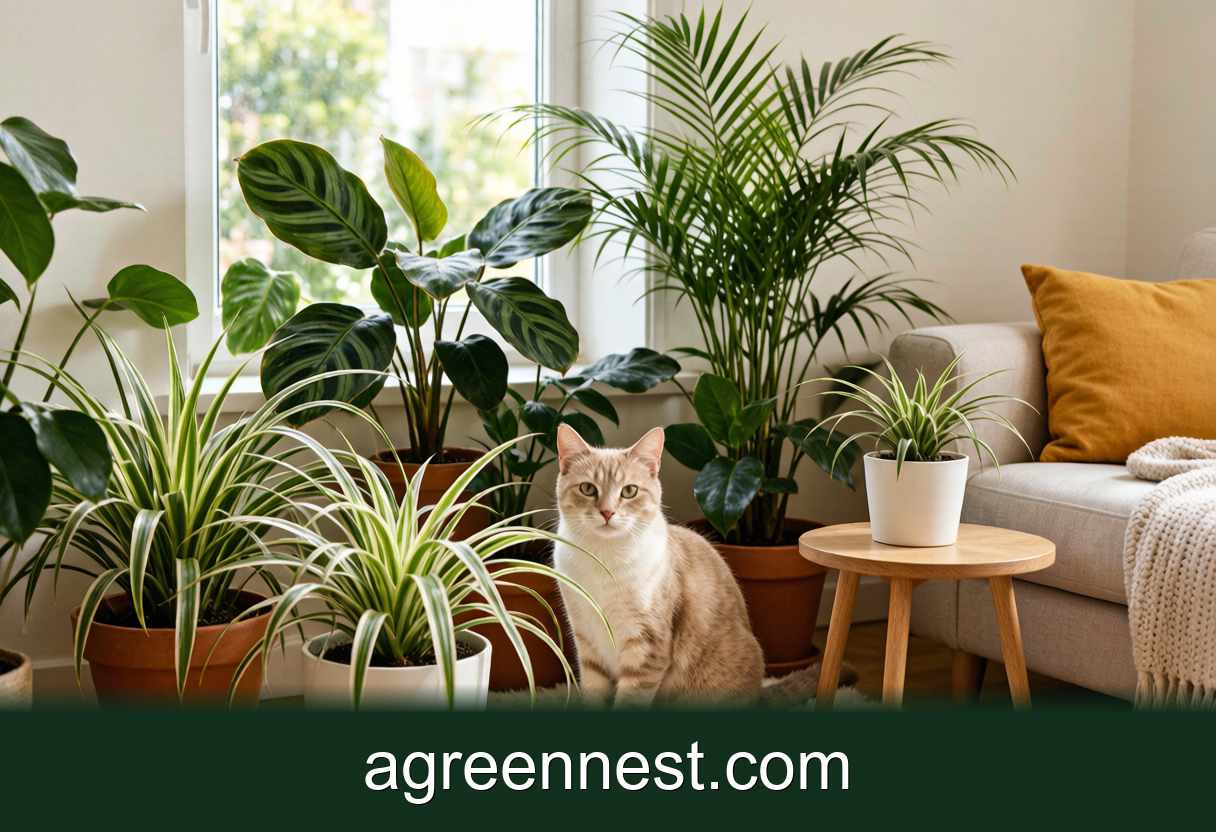
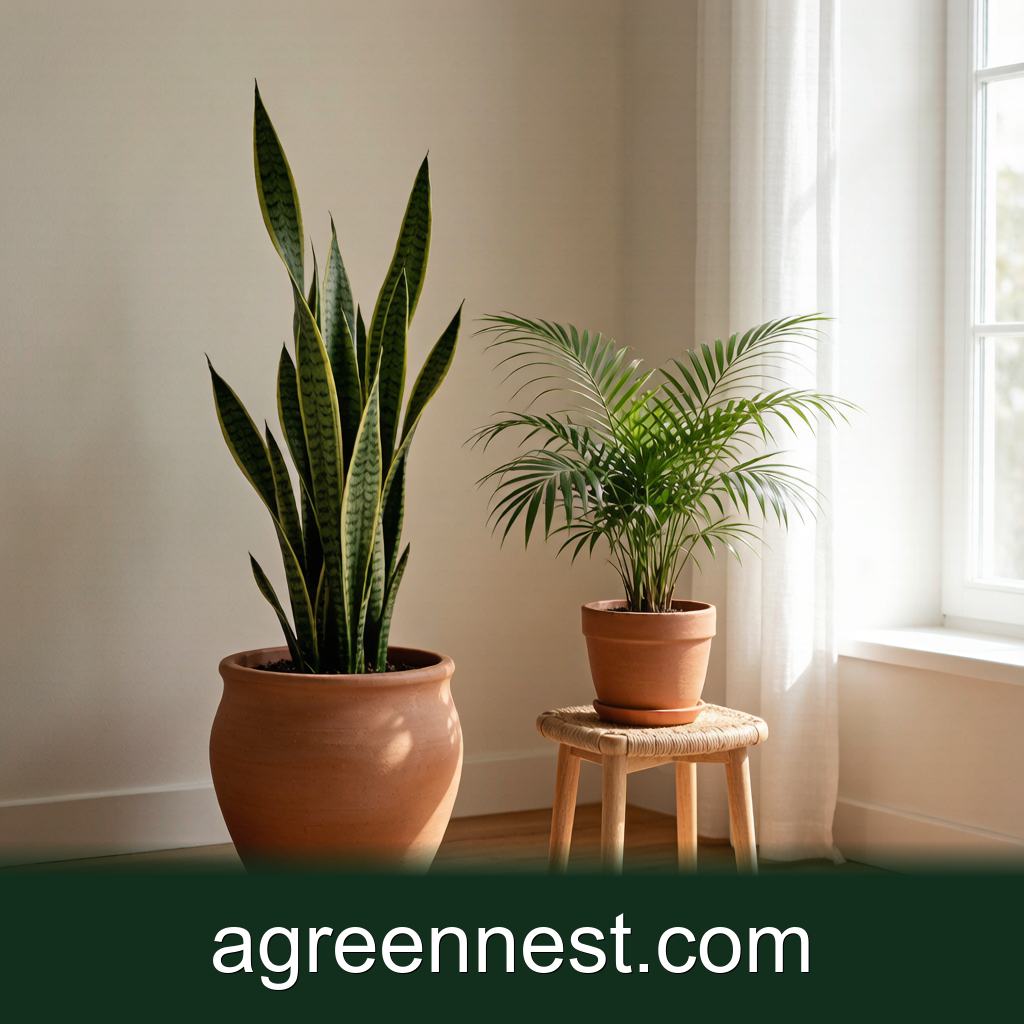
Styling Design a Pet-Friendly Plant Room is about contrast and height. Group it with a trailing or broad-leaf neighbour for texture, and use a pot that echoes your room tones. Give it bright, indirect light, water when the topsoil dries (when the topsoil has dried), and turn the pot a quarter each week so it grows evenly toward the light.
Good plant styling is rarely about buying more plants. It is about deciding where the one you already own should live, and when you share the room with a cat or a dog, that decision also becomes a safety call. The goal is a room that looks planted and keeps a curious chewer alive.
My own living room hosts two cats and eleven plants, and I have spent three years tuning the layout so neither side suffers. The system below is what finally worked, after a few close calls involving a chewed Calathea and a very guilty tabby who knocked a fern onto the rug.
The wake up call came when one cat nibbled a neighbour's lily bouquet at a party. No harm that time, but it forced me to rethink every plant I owned. A pet friendly room is mostly three ideas repeated with discipline: a verified safe plant list, vertical placement, and zero low bowls of tempting soil or water. Master those and the styling almost takes care of itself.
Why Should You Design Around a Safe Plant List?
Not every leafy plant is harmless, and assuming otherwise is the most common mistake I see new plant parents make. True lilies from the Lilium group are dangerously toxic to cats, and even a small bite can cause kidney failure within twenty four hours. That single fact reshaped my entire plant buying habit and ended my love of cut flower arrangements.
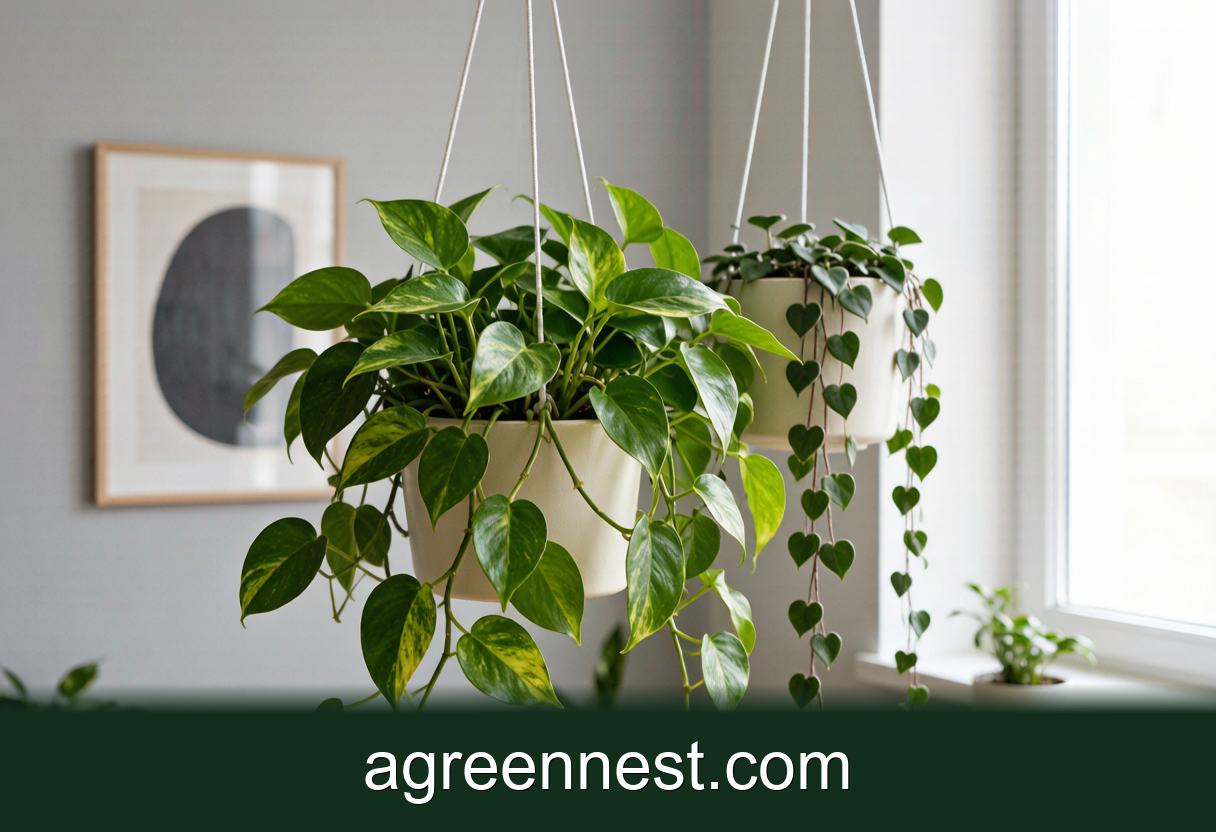
Peace lily and pothos sit in a grey zone. They irritate the mouth and cause vomiting but are rarely fatal, yet I would rather skip the risk entirely than clean up a sick animal at midnight. Knowing the difference between deadly and merely irritating is the first skill a pet owner needs to learn.
Build the room around the verified safe list instead. Reliable picks include Chlorophytum comosum (Spider Plant), Calathea ornata (Pinstripe Plant), Peperomia obtusifolia (Baby Rubber Plant), Haworthia cooperi, and Nephrolepis exaltata (Boston Fern). These survive a nibble without a panic driven vet trip, which is exactly the peace of mind you want at home.
I keep a written list on the fridge so guests never bring a risky bouquet into the space. It sounds fussy, but it turned one anxious room into a relaxed one almost overnight, and visitors actually enjoy the clarity of the rule.
Which Plants Are Genuinely Safe?
Spider Plant is the workhorse of a pet safe room. Chlorophytum comosum tolerates low light, shrugs off missed waterings, and produces baby plantlets you can share with friends. Mine sits on a high shelf where the cats cannot reach, yet it thrives in the indirect glow from a west window.
Calathea brings the drama with patterned leaves and a habit of folding up at night. Calathea ornata prefers humidity around 50 percent and a room temperature of 65 to 75°F (18 to 24°C), so it loves a bright bathroom corner where the shower adds moisture to the air.
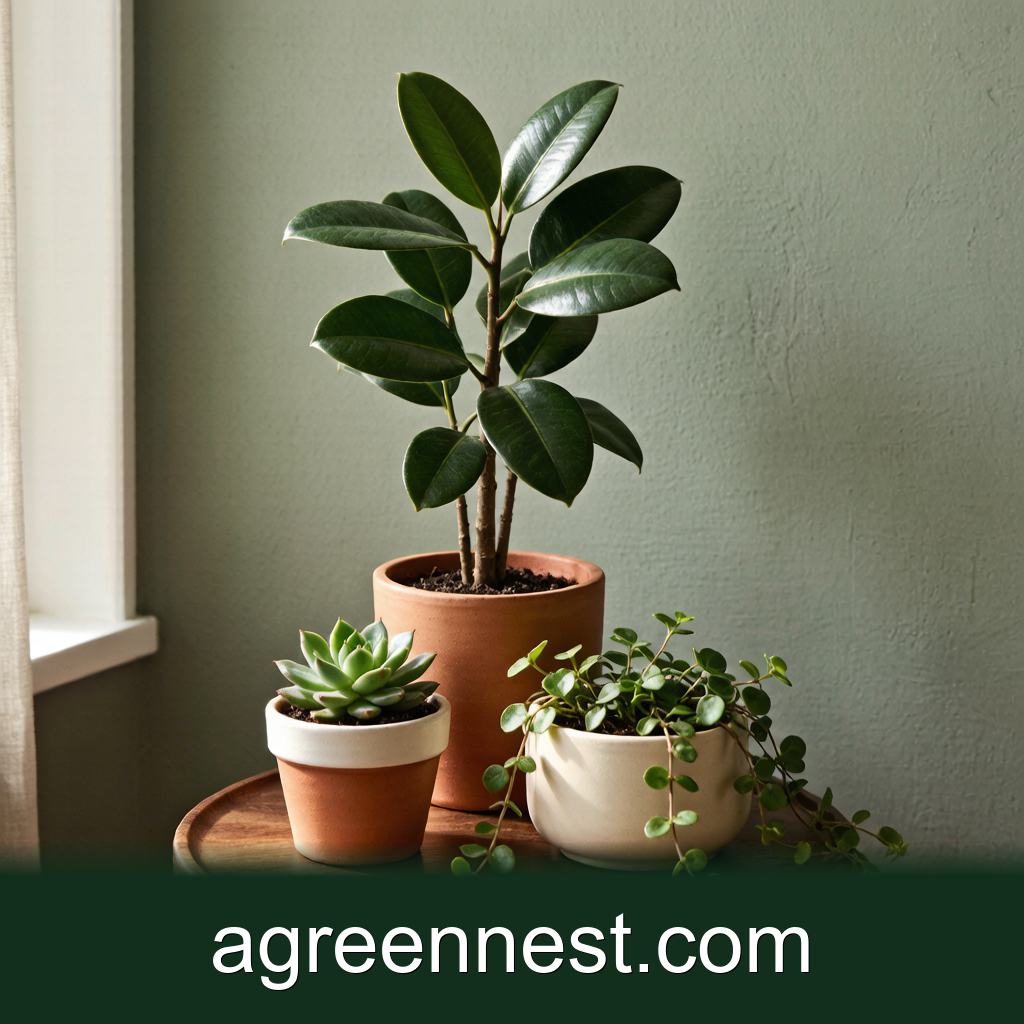
Peperomia is the toughest of the safe trio. Peperomia obtusifolia handles a missed watering for ten to fourteen days and asks only for bright indirect light. Haworthia and Boston Fern round out the list for texture and height, and none of them tempt a cat the way grassy fronds do.
Avoid pothos and peace lily if your pet is a determined chewer. They cause mouth irritation and drooling but are seldom fatal, and I mention them only so you can recognise the symptoms and act fast if a bite happens during the night.
How Do You Use Height to Protect Pets?
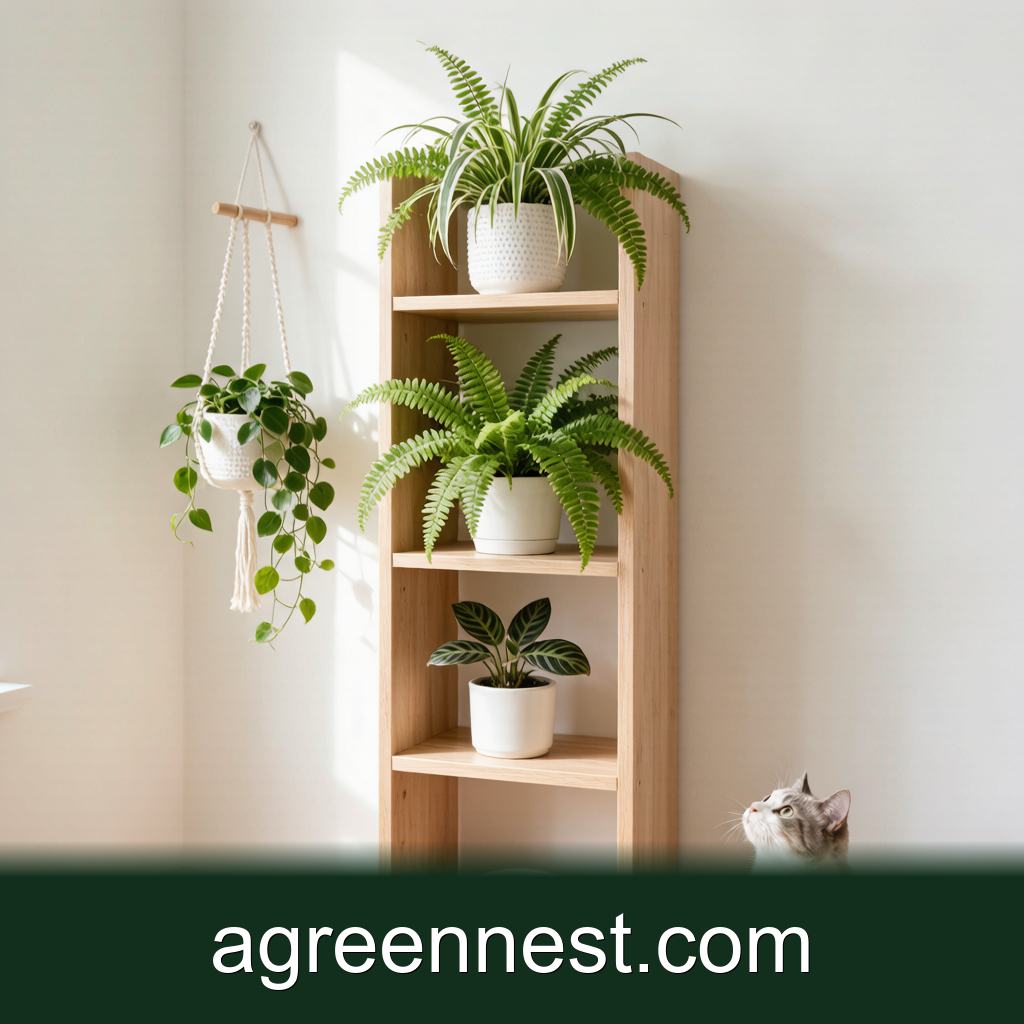
The simplest pet proofing is elevation. A cat surveys a floor level plant as a free salad bar, while the same plant on a shelf it cannot jump to gets ignored completely. I cap reachable surfaces at 5 feet, because one of my cats clears 4 feet without visible effort and would happily perch on anything lower.
Hanging planters and tall plant stands do the heavy lifting. A Chlorophytum comosum in a macrame hanger stays safely above both cats and the coffee table below it. Weighted stands keep tall plants stable even when a dog bumps the pot during a zoomies sprint across the room.
I reserve the floor for the bulletproof safe types only. That way a knocked over pot is never a medical event, just a small mess to sweep up before the next meeting. Cast Iron Plant and Haworthia are my go to floor candidates because they survive both neglect and the occasional swat.
What Layout Keeps Chewers Away?
Group plants in odd numbers, with one trailing type and a mix of pot styles, but add one hard rule: no low bowls of soil or water. A propagation station's jars live on a high shelf, never a coffee table, or you find a wet dog and a spilled cutting by lunchtime.
Decorative grit solves the digging problem. A one inch layer of pebbles on the soil surface stops most dogs from digging, and it looks tidy too. I refresh that layer every six weeks when I rotate the pots a quarter turn toward the light so growth stays even.
Bitter apple spray adds a last line of defence. I mist the risky leaves once a week, and the taste has discouraged every chewer I have owned within three applications. Combined with height, it means I finally leave the house without worrying about what the cats will eat.
When Should You Recheck the Setup?
Habits change, and so do pets. I walk the room once a month with a fresh eye, checking that no plant has grown low enough to tempt a jump and that no new low bowl has appeared. A fast growing Nephrolepis exaltata can drop its fronds within eight weeks and suddenly become reachable from the floor.
Seasonal shifts matter too. In winter the heater drops humidity below 30 percent, so I move the Calathea nearer the bathroom and run a small humidifier for two hours each evening. That keeps the safe plants healthy without changing the pet proofing at all.
Frequently Asked Questions
Q: What if my dog ate a leaf from a safe plant?
A: Offer water and watch for vomiting or drooling. Call a vet if symptoms persist past a few hours, but most safe list plants cause nothing worse than a mild tummy ache.
Q: Can I use fertilizer or pest spray with pets around?
A: Yes, with care. Pet safe pest control and a diluted foliar feed are fine once dry. Keep concentrated products locked away and never let pets drink the mixing water.
Q: How do I stop my cat from digging in pots?
A: A layer of decorative grit or pebbles on the soil surface stops most cats, and it keeps the room looking neat at the same time.
A pet friendly plant room is mostly the safe plant list plus height, repeated with a little patience. Build the room around Spider Plant, Calathea, and Peperomia up on shelves, keep the floor to the bulletproof types, and skip the toxic ones entirely. Style follows from there, and you finally stop watching the cat.
Recommended Tools for Plant Styling & Display Care
Free, no-signup helpers matched to this guide.
Free Ebooks to Explore
Downloadable handbooks — no email required.
Free Ebook
The AGreenNest Succulent Care Handbook
The complete, beginner-to-confident guide to growing fat, happy succulents — 10 chapters and a 20-plant directory.
Free Ebook
Haworthia & Haworthiopsis Care Handbook
A focused guide to the striped, forgiving Haworthia clan.
Sources & further reading
GreenNest authors research and write every guide independently. The external links below are reputable references we recommend for deeper reading — they are not the sources we copied from.
- UF/IFAS Gardening Solutions — UF/IFAS
- Cornell Garden-Based Learning — Cornell University
- Missouri Botanical Garden — Missouri Botanical Garden
Share Your Plant Story
Grown something tricky, or found a trick that finally worked? Tell us in the comments, or see what other readers are sharing on our Community page. The best reader tips get folded back into our guides.
Join the Conversation
Have a tip or a question about Design a Pet-Friendly Plant Room? Share it below — comments are saved on our server.