 AGreenNest
Plant Styling & Display
Styling a Bedroom Plant Corner That Helps You Sleep
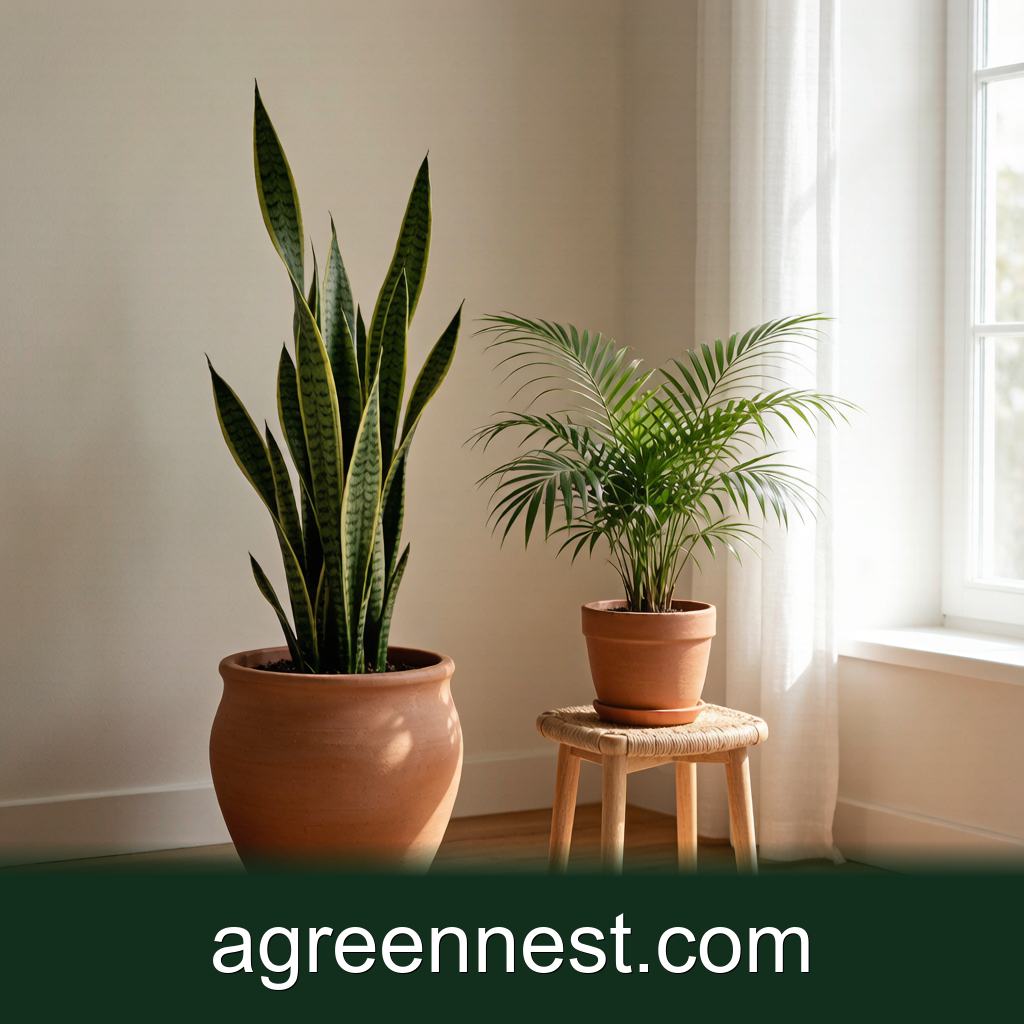
For a calm shelf with Styling a Bedroom Plant Corner That Helps You Sleep, pair it with one taller focal plant and a small trailing piece. Keep care easy: a few hours of direct sun, water when the topsoil is dry (when the topsoil has dried).
A bedroom is the one room where plants do almost nothing measurable and everything emotional. They will not scrub the air overnight, and most sit in dim evening light for ten hours straight. What they change is how the space feels when you walk in tired, and that is worth getting right. Styling for calm and low light at once is the small puzzle a bedroom hands you. Quiet corners with one plant beat busy shelves with ten for real rest.
Why Should You Style One Corner Instead of a Jungle?
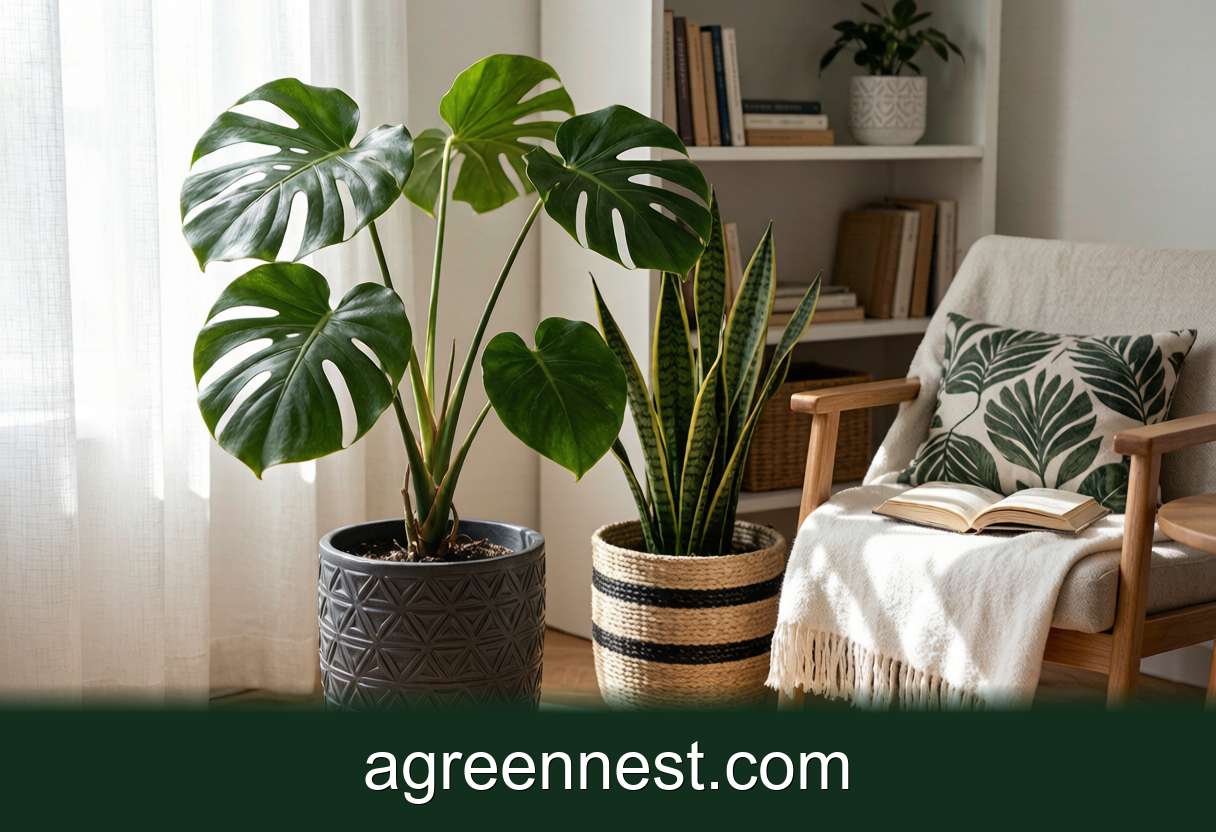
Scattering a plant on every surface reads as a greenhouse that happens to hold a bed. I made that mistake in my first flat, and the room felt busier, not calmer. Pick one corner and build a small group there instead. Every window corner, even a modest one, gathers the eye and tells the brain this is the green spot. Keep the rest of the surfaces clear so the room can breathe. My favourite first group uses three plants at different heights: a floor specimen near 90 to 120cm, a mid shelf plant around 30cm, and a small one you can move. The height steps shape the corner without filling it. Narrow shelves at 120cm draw the eye upward and free the floor.
Which Plants Forgive a Dark Bedroom?
Bedrooms stay dark for half the day, so the species must genuinely cope. Several do, and they happen to be the easiest to live with. Sansevieria sits in a dim corner and asks for almost nothing. Its upright blades read as architecture rather than clutter, which suits a calm room. Zamioculcas zamiifolia tolerates a spot with no direct sun and stays glossy, wanting water only every two to three weeks. Spathiphyllum lifts the corner with white spathes and droops dramatically when thirsty, a handy signal in a room you forget. Chamaedorea elegans softens a hard angle with fine fronds and handles the low, indirect light a bedroom provides. Skip anything labelled bright light unless the window is truly sunny. Healthy choices shine for years with almost no fuss from you.
What Are the Three Layout Mistakes to Avoid?
Mistake one is a plant on the nightstand. That surface is for a book and a glass of water, not a pot that gets knocked and blocks the lamp. Keep the bedside clear. Mistake two is a single lonely plant in a large room. One small pot looks lost, not styled. Cluster three in a corner or skip plants entirely, because a solitary pot reads as an afterthought. Mistake three is clashing pots. Three busy, patterned containers fight each other and shout. Choose one calm material, matte terracotta or soft stone grey, and let the foliage carry the colour. Odd numbers and one repeated texture settle a display far better than a mix.
How Do You Keep Plants Safe Near the Bed?
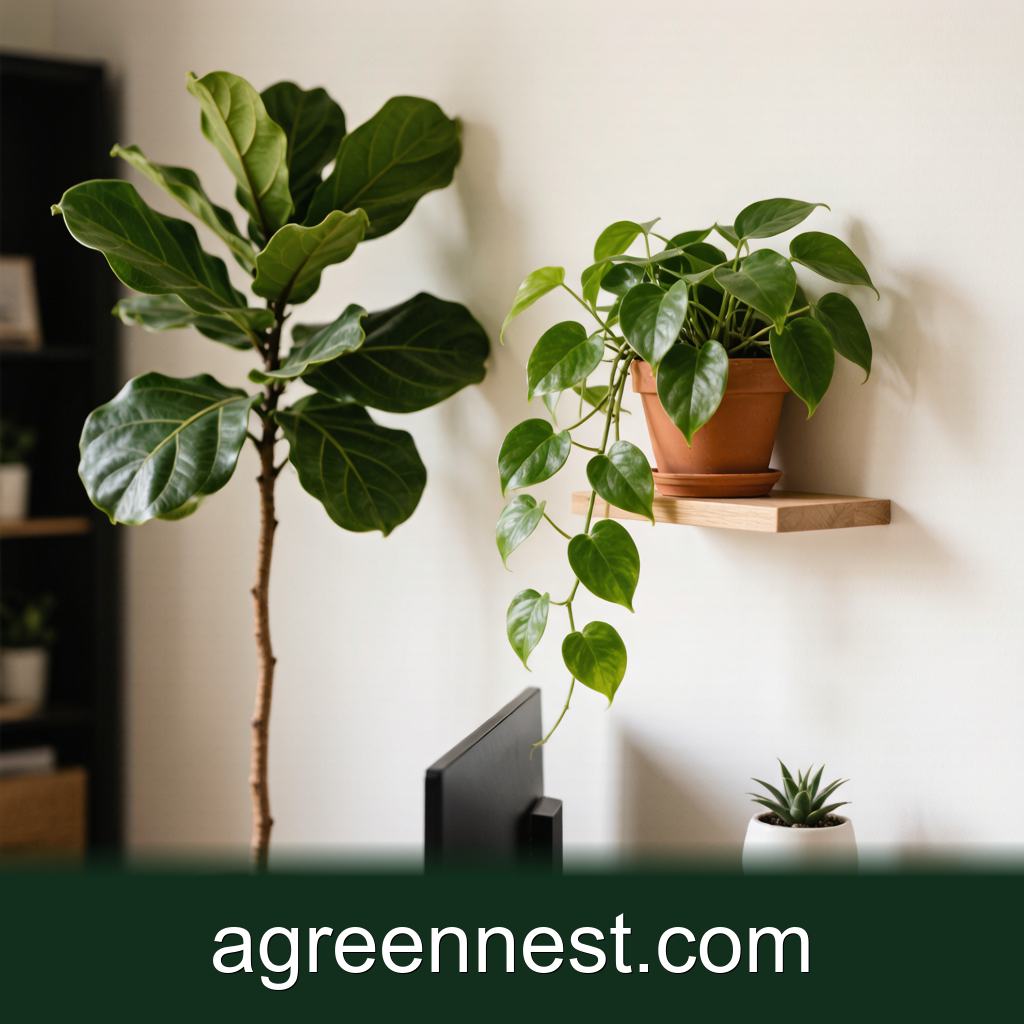
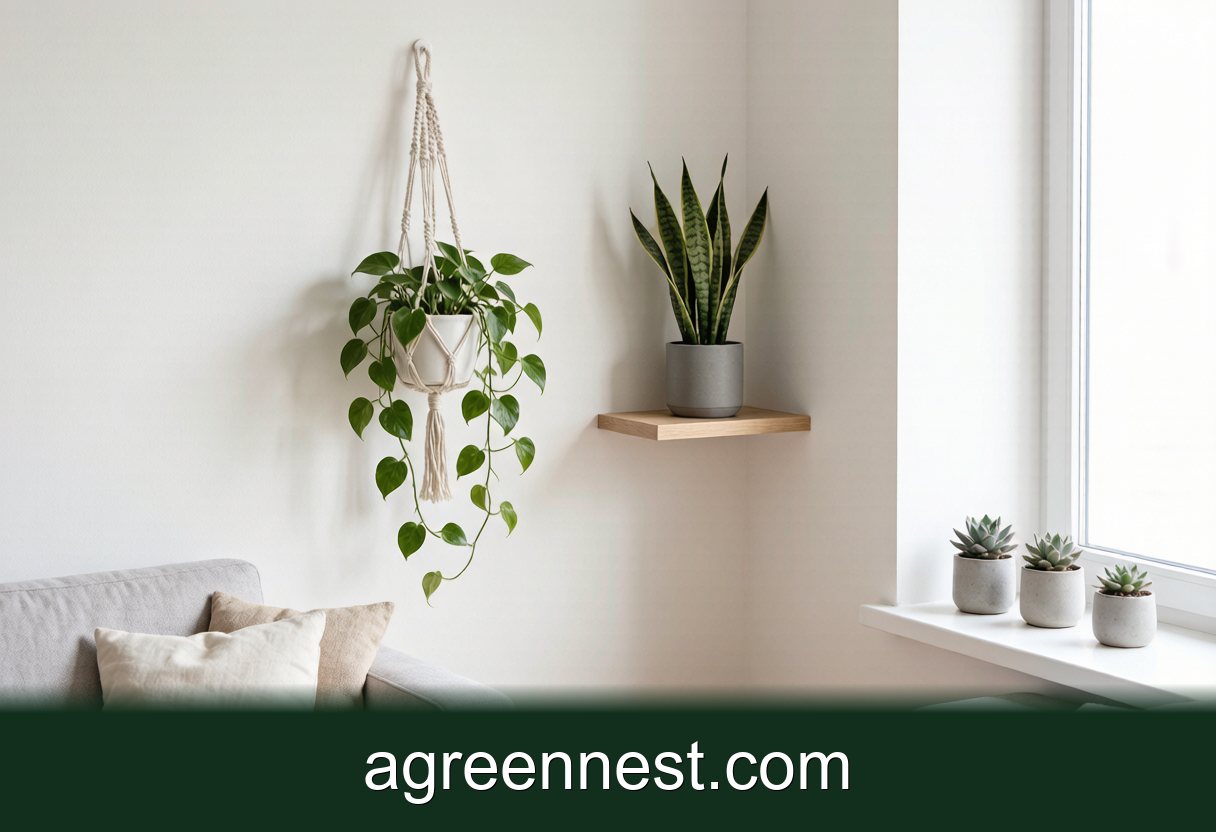
Keep greenery off the pillow side so a fallen leaf or tipped pot never lands on you at 2am. Trailing vines such as Epipremnum and Philodendron drop and tangle in hair, so a high shelf above the headboard is a poor choice. Put trailers across the room instead, where a safe hang height keeps them out of reach. If a pet shares the bed, check toxicity before buying. Comfortable bedroom temperatures sit around 65 to 70°F (18 to 21°C), which most of these plants tolerate happily. Either a ZZ or snake plant on a high shelf stays both safe and out of trouble. Dust the leaves monthly so the plant can actually use the dim light it gets.
Can a Windowless Bedroom Still Work?
Grow lights on a timer are the only honest answer for a room with no window. Ten to twelve hours a day of gentle light keeps a snake plant alive, though it will not thrive or look its best without real brightness. Without supplemental light, even tough Sansevieria survives dimly for months but slowly declines. I would rather place a plant where it can actually grow than apologise to it weekly. Choose evergreen, slow types that look the same in January as in June, and add one ceramic object so the corner keeps interest when growth pauses. Warm-toned lamps beside the plants add evening glow without heat.
Frequently Asked Questions
Will plants in my bedroom drop the temperature or raise humidity enough to notice?
Houseplants shift humidity by a couple of percent at most, never enough to feel. Their effect is visual and psychological, not climate control, so expect calm rather than a cooler room.
Is it true plants steal oxygen at night and hurt sleep?
Plants respire after dark, but the oxygen a bedroom full of houseplants uses is trivial next to what you breathe. Sleep stays unaffected, and the greenery may even help you settle.
Which plant is safest on a toddler's bedroom shelf?
Place a high shelf with a ZZ plant or snake plant there, both non-toxic and sturdy, kept out of reach. Avoid anything a child could pull down onto themselves.
Bedroom plant corners work best when they calm the room instead of crowding it. One group, three heights, one pot colour, and nothing near the pillow is the recipe I keep returning to. Start with a low-light houseplant that fits your actual light, keep the styling quiet, and let the plants do the rest while you sleep.
Recommended Tools for Plant Styling & Display Care
Free, no-signup helpers matched to this guide.
Free Ebooks to Explore
Downloadable handbooks — no email required.
Free Ebook
The AGreenNest Succulent Care Handbook
The complete, beginner-to-confident guide to growing fat, happy succulents — 10 chapters and a 20-plant directory.
Free Ebook
Haworthia & Haworthiopsis Care Handbook
A focused guide to the striped, forgiving Haworthia clan.
Sources & further reading
GreenNest authors research and write every guide independently. The external links below are reputable references we recommend for deeper reading — they are not the sources we copied from.
- Royal Horticultural Society — Houseplant care — RHS
- Royal Botanic Gardens, Kew — Kew Gardens
- Cornell Garden-Based Learning — Cornell University
Share Your Plant Story
Grown something tricky, or found a trick that finally worked? Tell us in the comments, or see what other readers are sharing on our Community page. The best reader tips get folded back into our guides.
Join the Conversation
Have a tip or a question about Styling a Bedroom Plant Corner That Helps You Sleep? Share it below — comments are saved on our server.