 AGreenNest
Hydroponic Growing
NFT (Nutrient Film Technique) Explained
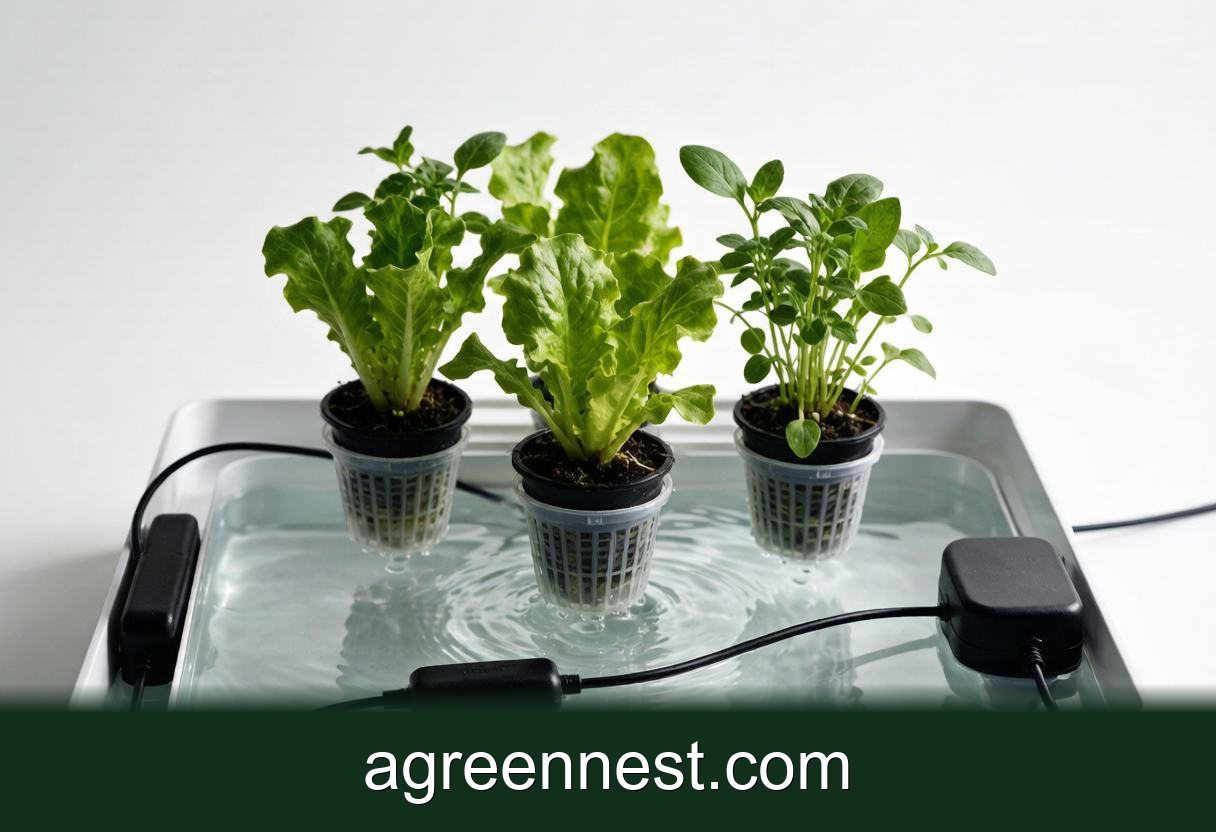
Run NFT (Nutrient Film Technique) Explained at steady strength: 1.5-2.0 EC, pH 5.8-6.2, reservoir 18-22 C. Provide 13-16 hours of grow-light or bright supplemental light for 14-16 hours a day. The only common failure is stale solution, so top up daily and swap the reservoir every 7-14 days so roots stay white and active.
What Is NFT, Really?
NFT stands for nutrient film technique. The system pumps a shallow stream of fertilized water down a gently sloped channel, usually a PVC or food-grade trough, and the plant roots hang inside that moving film. Continuous flow keeps the root zone supplied with both food and oxygen at the same time. Growers often see faster leaf growth than in soil because roots never have to search for nutrients.
Most home NFT rigs run one channel per crop row. Standard slope sits between 1 and 2 percent, which is a gentle drop over the length of the trough. Too flat and the film pools in places, too steep and the water races past the roots without feeding them. Build the slope with shims under one end rather than trusting the table to be level.
Your plant count follows the channel width. Two rows of lettuce plugs fit a 4 inch trough at roughly 20 to 25 plants per 8 foot length. Three rows fit a 6 inch trough but that needs a stronger pump. Plan the footprint before you buy, because a longer channel is cheaper per plant than several short ones.
Pumps rated at 120 to 200 gallons per hour suit most home channels. Oversize the pump by about 20 percent so flow holds steady when the filter clogs. Quiet models matter if the rig lives in a living space.
The Core Numbers
Start with the reservoir temperature. Hold the solution at 64 to 72°F (18 to 22°C) so root rot bacteria stay quiet. Above 77°F (25°C) the dissolved oxygen drops and Pythium risk climbs fast. Target electrical conductivity between 1.5 and 2.0 EC for leafy greens, and hold pH at 5.8 to 6.2 so iron and calcium stay available to the plant.
Light is the other big lever. Leafy crops need 13 to 16 hours of bright light each day. One small 60 watt LED panel over a 2 foot channel covers roughly 8 to 12 plants. Measure light at canopy height with a cheap lux meter and aim for 12,000 to 18,000 lux during the lit period. Without enough photons the plants stretch and the film flow alone cannot save them.
Nutrient strength scales with temperature. In a warm room at 75°F (24°C) drop the EC to 1.4 to 1.6 so salts do not burn roots. In a cool room at 65°F (18°C) push to 1.8 to 2.0 EC because uptake slows. These small shifts keep growth steady across seasons.
Why Does Slope and Flow Matter?
A pump failure is the single biggest killer in NFT. With no medium to buffer moisture, roots dry within two to four hours once flow stops. That is why many setups use a battery backup or a simple float switch alarm. Keep the film about 3 to 6 millimeters deep, just enough to wet the lower roots.
Flow rate matters more than people expect. The 4 inch channel for Lactuca sativa (lettuce) wants roughly 1 liter per minute. Basil (Ocimum basilicum) tolerates a slightly slower film. Measure at the return pipe with a graduated jug for sixty seconds, then adjust the bypass valve until the rate holds.
Cloudy roots mean trouble, not the normal white. Brown tips usually signal the film ran dry for a few hours. Catching that early spares you a full replant later.
How Do You Keep the Solution Fresh?
Stale nutrient is the most common failure, not the hardware. Top the reservoir daily because plants drink more than they transpire in a closed room. Swap the entire tank every 7 to 14 days so salts and algae do not accumulate. With a 20 liter reservoir for 12 plants, expect to add 4 to 6 liters of fresh mix each morning.
Test the EC and pH every other day with a pen meter. When readings drift more than 0.3 EC from target, recalibrate the probe using the 4.0 and 7.0 buffer solutions. Clean the channel with a 10 percent hydrogen peroxide rinse between crops to kill any biofilm that has formed.
Algae loves light on the solution. Paint the reservoir and the return pipe dark, or wrap them in foil. Covering the tank keeps it cleaner for the full 14 day cycle and the pH holds steadier between checks.
Weekly logs catch drift early. Note the EC, pH, and top up volume in a notebook so patterns show up before the plants complain.
Which Crops Belong in NFT?
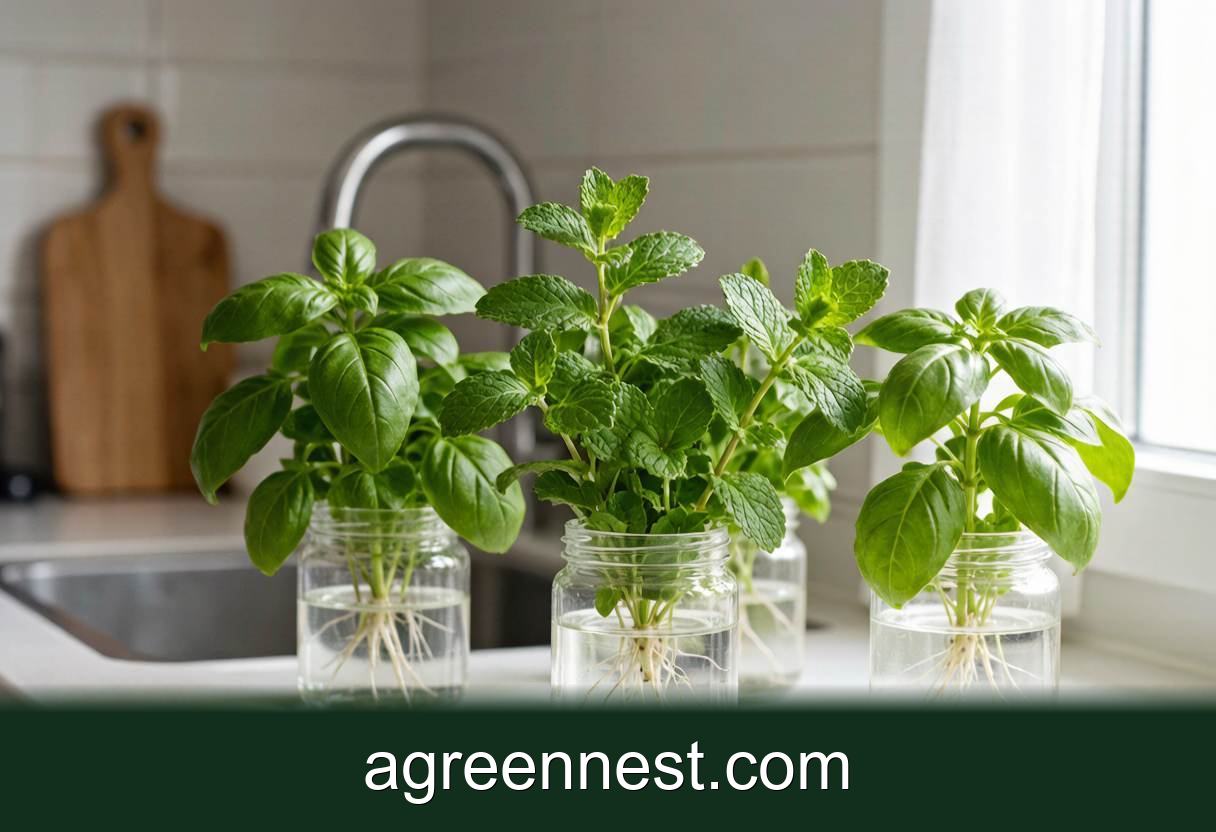
Leafy greens and herbs are the clear winners. Both the pennywort (Hydrocotyle vulgaris) and spearmint (Mentha spicata) thrive in a thin film. Strawberries work in short runs if you support the fruit. Skip tomatoes and peppers, because their heavy fruit loads need a medium for support and the film alone cannot anchor them.
Beginners should start with one 4 foot channel of lettuce before scaling up. That keeps the first failure cheap and teaches the flow rhythm without a big investment. Once you can hold EC and pH for two weeks straight, add a second channel of basil for variety.
Frequently Asked Questions
Q: Do I need any growing medium at all?
A: Only a small plug at the crown to hold the seedling. One 1 inch rockwool cube or a clay ball cluster anchors the start, though most NFT growers simply use lettuce plugs.
Q: Is NFT expensive to run?
A: One basic 2 channel kit costs about 90 to 140 dollars and draws 70 to 120 watts. The pump is the only moving part, so running cost stays under 10 dollars a month.
Q: Can the same solution feed different crops?
A: Not really. Basil and lettuce want different EC values, so mixing them in one reservoir means one crop ends up underfed. Run separate channels or group similar feeders together.
NFT rewards people who like numbers and routine. Check the film depth, the EC, and the pH on a schedule and the plants will outgrow anything on a windowsill. Plan your feeds with the care schedule tool so the reservoir swap never slips your mind.
Recommended Tools for Hydroponic Growing Care
Free, no-signup helpers matched to this guide.
Free Ebooks to Explore
Downloadable handbooks — no email required.
Free Ebook
The AGreenNest Succulent Care Handbook
The complete, beginner-to-confident guide to growing fat, happy succulents — 10 chapters and a 20-plant directory.
Free Ebook
Haworthia & Haworthiopsis Care Handbook
A focused guide to the striped, forgiving Haworthia clan.
Sources & further reading
GreenNest authors research and write every guide independently. The external links below are reputable references we recommend for deeper reading — they are not the sources we copied from.
- Michigan State University — Gardening — Michigan State University
- Oregon State University Extension — Oregon State Extension
- Aggie Horticulture (Texas A&M) — Texas A&M AgriLife
Share Your Plant Story
Grown something tricky, or found a trick that finally worked? Tell us in the comments, or see what other readers are sharing on our Community page. The best reader tips get folded back into our guides.
Join the Conversation
Have a tip or a question about NFT (Nutrient Film Technique) Explained? Share it below — comments are saved on our server.