 AGreenNest
Low-Light Indoor Plants
Low Light vs Direct Sun: Placing Your Plant
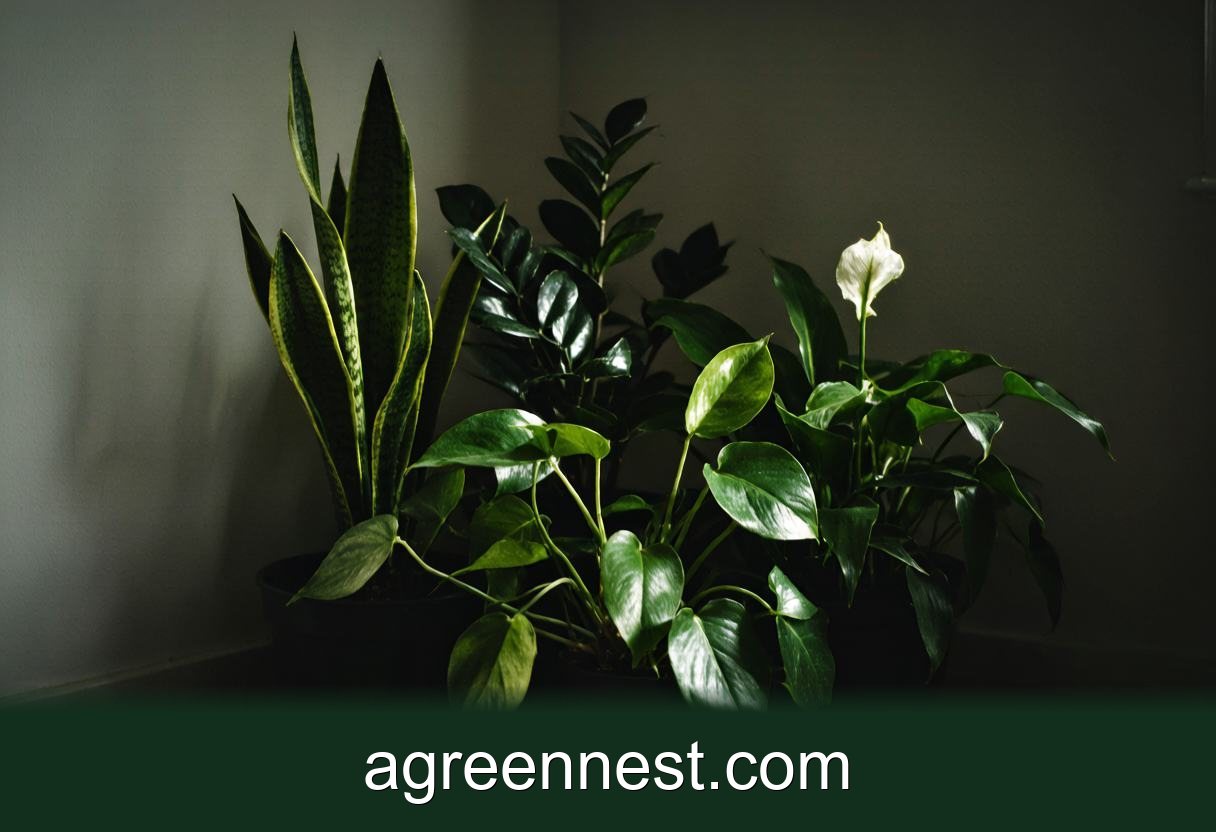
Low Light vs Direct Sun is built for dim rooms. It tolerates low to medium light and actually suffers in hot direct sun. Water when the top 2-3 cm of soil feels dry (when the top 2-3 cm of soil feels dry), and keep humidity modest.
Read Your Windows
When I first filled my flat with plants, I figured any window would do, and I was wrong in a loud, leafy way. Every window direction actually gives a different kind of day, and learning to read them changed how my collection looks. Soft, indirect light from morning to evening makes a north window gentle even in summer. Cool, bright mornings from an east window ease off by afternoon, which most plants enjoy. Fierce afternoon beams define a west window, while a south window stays brightest of all with several hours of direct sun.
The practical move is matching the plant to the room before buying, not after it sulks. Place a pot 15 centimetres from the glass and it gets roughly twice the light of one a metre away, so distance is a dial you can turn. NC State Extension and the UF/IFAS gardening pages describe the same window map, and Clemson adds that even a bright room hides dark corners a metre from the glass.
Which Plants Love the Shade?
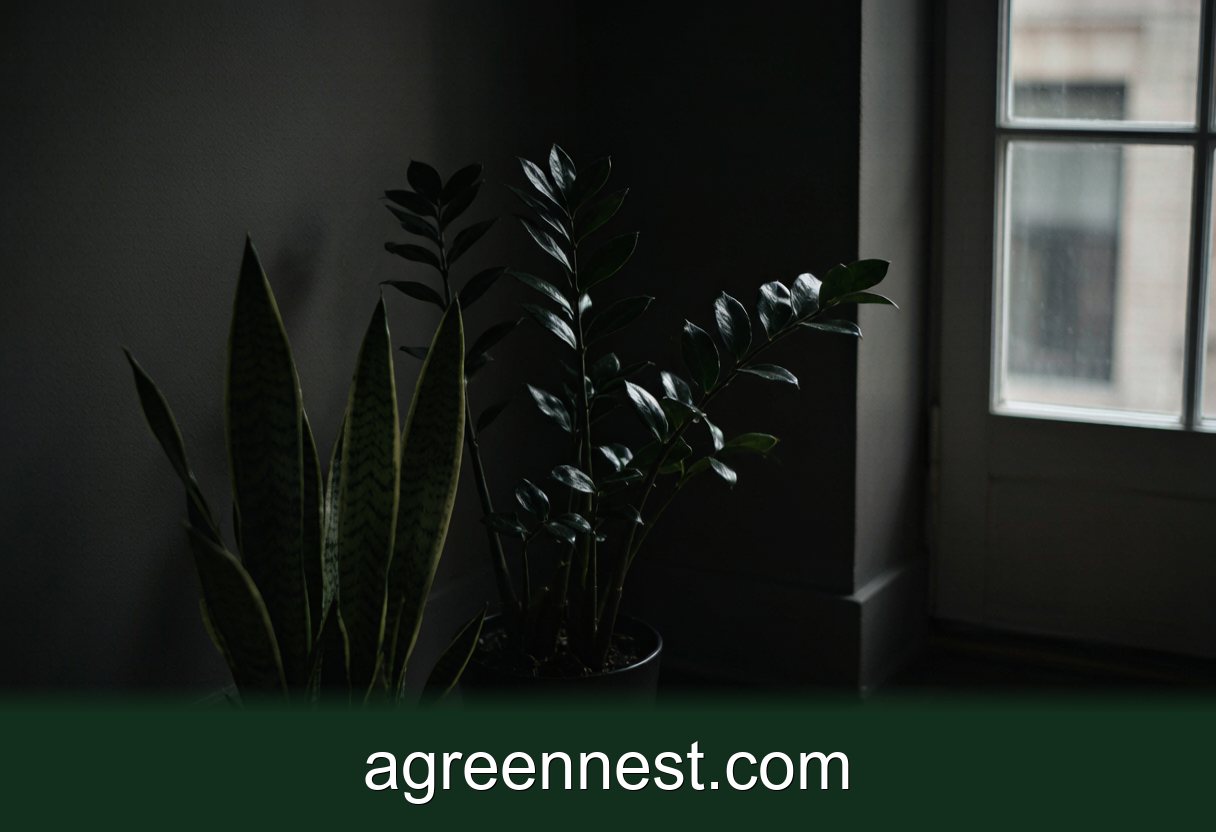
Some of my favourite companions ask for very little light, and they have been the easiest to keep happy. Take the snake plant, Sansevieria trifasciata: it tolerates a north shelf and shrugs off my forgetful watering. The ZZ plant, Zamioculcas zamiifolia, does the same and slowly pushes new stems even in a dim hallway. For flowers in low light, the peace lily, Spathiphyllum wallisii, droops when thirsty then bounces back within an hour of a drink, and it blooms in light that would scorch a cactus.
On the sunny side, succulents want the opposite treatment. An Echeveria elegans needs that south or west brightness to keep its compact rosette shape, and without it the leaves stretch and flatten as it reaches for light. The jade plant, Crassula ovata, also prefers a bright sill and grows leggy near a dark window. Knowing which camp your plant belongs to removes most of the guesswork.
How Do I Know If the Light Is Too Strong?
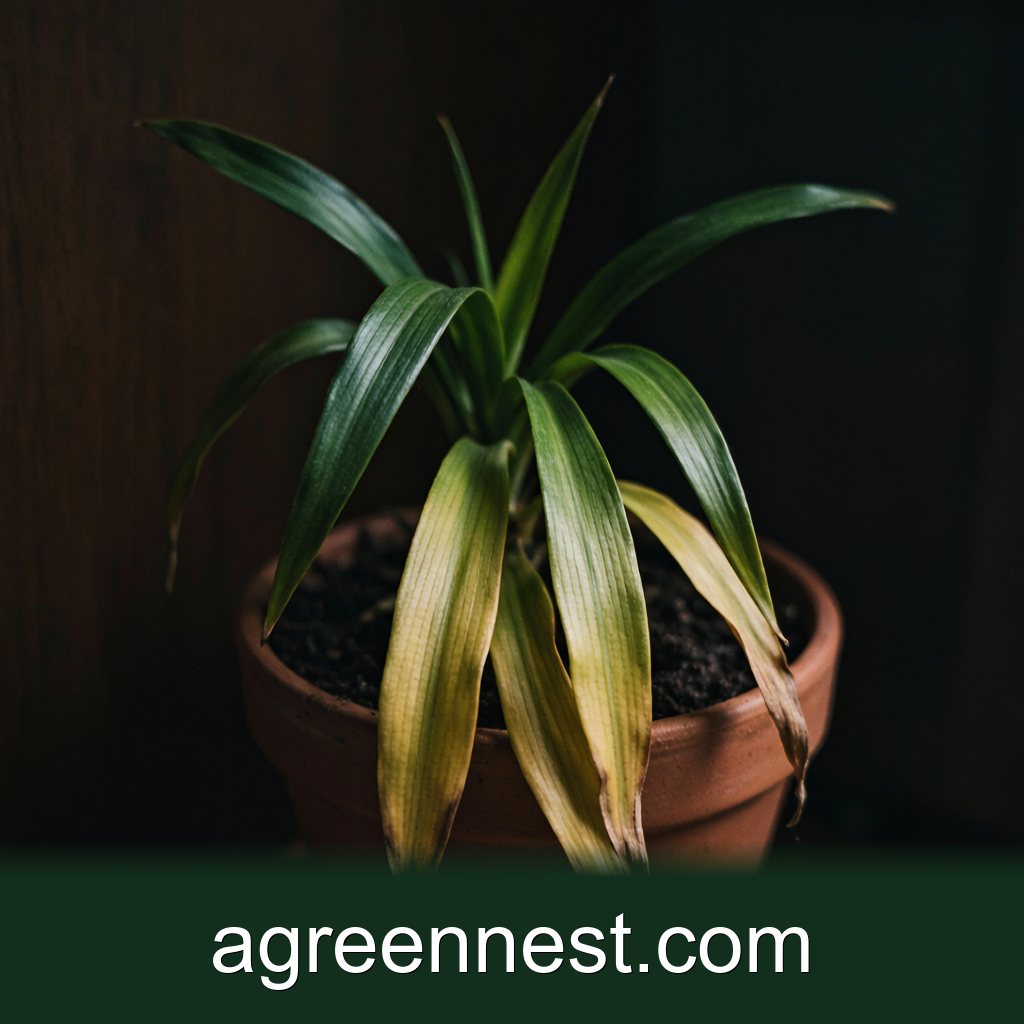
Your plant will say so, usually with its leaves. Scorched patches that look bleached or crispy, appearing on the side facing the glass after a hot spell, are the classic sign. I learned this the hard way with an Echeveria elegans I moved straight from a shady counter to a south sill in late June, and within four days the top leaves were white at the edges. The fix was simple: I slid it back thirty centimetres and hung a sheer curtain, and the new growth came in clean.
Another quiet signal is colour loss. A shade lover pushed into bright sun often fades or reddens at the tips, and it may wilt even when the soil is moist, because the leaves lose water faster than the roots replace it. Clemson notes that this kind of stress builds over a week or two, so a quick check every few days catches it early.
A Few Habits That Made My Plants Happier
First, I stopped watering on a calendar and started feeling the soil instead. For the shade lovers, I wait until the top 2 to 3 centimetres of soil feel dry, which might be every 10 to 14 days in winter and every 5 to 7 days in summer. Second, I rotate the pots a quarter turn each week so every side gets some light and the plant grows straight instead of leaning. Third, I keep daytime temperatures around 65 to 75°F (18 to 24°C) and avoid cold drafts from the window at night.
Fourth, I mist only the shade lovers lightly in winter, about twice a month, because the heating dries the air to 30 percent and the peace lily sulks below 40 percent. I also gave the sun lovers their own shelf near the glass and kept the shade lovers a metre back, which ended most of the drama. UF/IFAS suggests the same spacing, because crowding invites both pests and uneven light. Small changes like these added up to fewer surprises and far less plant guilt.
What Shifts With the Seasons?
Light changes through the year more than we notice, and plants feel it first. In December my south window gives maybe 4 hours of weak sun, so the Echeveria elegans slows right down and I water it once every 3 weeks. By June that same sill throws bright beams for 9 hours, and the watering jumps to every 5 to 7 days. The shade lovers barely notice the difference, which is exactly why I lean on them through the dark months. Watching the calendar, not just the soil, keeps the surprises small and the leaves untroubled.
Frequently Asked Questions
Q: Can a low light plant survive a south facing window?
A: Often it is too harsh, and the leaves may scorch, so place it behind a sheer curtain or a few feet back from the glass.
Q: My south window burns the leaves, so what went wrong?
A: The midday beams are simply intense, and moving the plant back or filtering the light with a curtain solves it.
Q: How can I check whether the light is enough?
A: Use the light calculator by window direction, and watch the leaves for stretching or fading over two weeks.
Placing a plant well is half the care it will ever need, and the other half is just paying attention. Once you learn the personality of each window and match it to the right companion, the room settles into a calm, green rhythm. My snake plant and ZZ ask for almost nothing, while the succulents reward a bright sill with tidy rosettes, and knowing the difference keeps everyone content. If you are still unsure where a new plant belongs, the light calculator can point you to the best spot before you commit.
Recommended Tools for Low-Light Indoor Plants Care
Free, no-signup helpers matched to this guide.
Free Ebooks to Explore
Downloadable handbooks — no email required.
Sources & further reading
GreenNest authors research and write every guide independently. The external links below are reputable references we recommend for deeper reading — they are not the sources we copied from.
- NC State Extension — Plant Toolbox — NC State Extension
- UF/IFAS Gardening Solutions — UF/IFAS
- Clemson Home & Garden Information Center — Clemson Extension
Share Your Plant Story
Grown something tricky, or found a trick that finally worked? Tell us in the comments, or see what other readers are sharing on our Community page. The best reader tips get folded back into our guides.
Join the Conversation
Have a tip or a question about Low Light vs Direct Sun: Placing Your Plant? Share it below — comments are saved on our server.