 AGreenNest
Hydroponic Growing
Pothos in Water (Hydroponics)
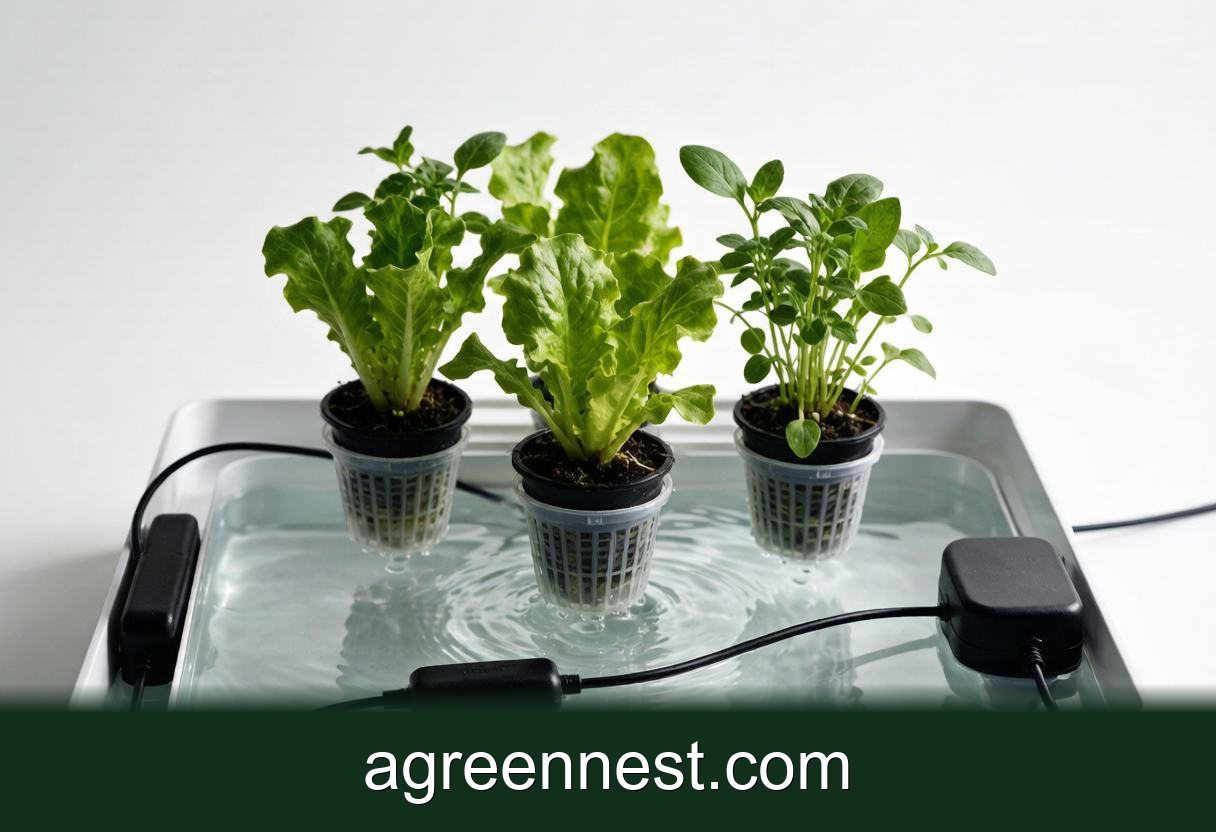
Run Pothos in Water (Hydroponics) at steady strength: 1.5-2.0 EC, pH 5.8-6.2, reservoir 18-22 C. Provide bright, indirect light for 14-16 hours a day. The only common failure is stale solution, so top up daily and swap the reservoir every 7-14 days so roots stay white and active.
Why Grow Pothos in Plain Water?
The short answer is control. When Epipremnum aureum grows in a clear jar, every root, every new leaf, and every change in water quality is visible. You stop guessing. A soil plant hides its problems underground, but a water plant shows you exactly what is happening. Pothos is the best candidate for this method because it roots from a single node and tolerates a wide range of conditions.
Most people start with a cutting from a friend. That is fine. Take a stem with at least one node, because roots only form at the node, never along the bare stem. Strip the lower leaves so nothing rots underwater. Drop the cutting in a glass of plain tap water and wait. Roots usually appear within 10 to 14 days at normal room temperature.
What You Need to Build the Setup
You need four things and nothing more. First, a clear glass jar or vase, roughly 500 to 1000 ml in volume. Clear glass lets light reach the roots and makes algae a visible warning rather than a hidden one. Second, a two part hydroponic nutrient, sold as bottles A and B. Third, a pH test strip or a digital meter. Fourth, a sunny but indirect windowsill.
Skip the pumps for now. Passive systems, including the Kratky method, need no electricity at all. The plant sits above a reservoir and drinks as the level drops. Active systems with air stones and timers work too, but they add cost and failure points. For a single pothos, passive is the smarter bet.
The Nutrient Numbers That Actually Matter
Plain water alone will keep a cutting alive for months, but it will not build a healthy long term plant. You need dissolved nutrients and you need to measure them. Target a nutrient strength of 1.5 to 2.0 EC, which equals about 750 to 1000 ppm on most meters. New cuttings do better at the low end, around 1.0 to 1.2 EC, because tender roots burn easily at high concentration.
pH is the second number and it is the one people ignore. Keep the reservoir between 5.8 and 6.2. Above 6.5 the plant cannot absorb iron and manganese, and the leaves turn pale yellow even though food is present. Test the pH every time you refill. A single drop of pH down solution usually corrects a litre of water.
Light and Temperature Targets
Pothos wants bright, indirect light for roughly 14 to 16 hours a day. A north or east window works well. A little gentle morning sun is fine, but hot midday sun through glass will cook the roots in a closed jar. If natural light is weak, add a full spectrum LED strip set on a timer.
Temperature should stay between 65 and 78°F (18 and 26°C). Roots grow fastest near 72°F (22°C). Cold water below 60°F (15°C) slows everything and invites fungal film. Keep the jar away from air conditioning vents and drafty windows in winter.
How Often Should You Change the Water?
This is the single habit that separates success from failure. Stale solution is the only common reason a water pothos declines. Top up the reservoir daily with plain water to replace what evaporates, because evaporation concentrates salts. Then swap the entire reservoir every 7 to 14 days.
When you swap, rinse the roots under lukewarm tap water and wipe the inside of the jar with a soft cloth. Algae grows fast on glass, and a green film steals oxygen from the roots. If the water smells sour or the roots turn brown and slimy, you have waited too long. Cut the bad roots back to white tissue and restart the 7 day clock.
Can You Move a Soil Plant Into Water?
Yes, with one important condition. Soft stemmed plants like pothos and lucky bamboo transition easily because they form water roots on demand. Dig up the plant, wash every grain of soil from the roots, and place it in clean water. Soil left on the roots will rot within days and poison the reservoir.
Most mature soil root balls do not make the switch. Their thick, soil adapted roots often rot before new water roots appear. If you want a big specimen in water, start a fresh cutting instead of converting an old plant.
Root Care and Common Problems
Healthy roots are white and firm. Brown, mushy roots mean rot, usually from stale water or direct sun heating the jar. Trim them and reset the schedule. Pale leaves almost always trace back to pH drift, not a lack of fertilizer, so test before you feed.
Algae is the other recurring issue. An opaque or amber jar blocks light and stops algae without harming the plant. If you love clear glass, accept a weekly scrub as the price.
Frequently Asked Questions
Do I need pumps and timers?
Not for a passive setup. The Kratky method uses no equipment at all. Active systems with air stones do need a pump, but a single pothos rarely justifies the cost.
Is hydroponic food the same as normal fertiliser?
No. Ordinary soil fertiliser clogs and unbalances a reservoir. Use a proper two part A and B hydroponic nutrient and mix it exactly as the label states.
Why are my leaves pale?
Usually the pH is off, so roots cannot absorb the food. Test and correct to between 5.8 and 6.2 before adding more nutrient.
Pothos in water is one of the most forgiving ways to grow a plant without soil. Keep the numbers steady at 1.5 to 2.0 EC and pH 5.8 to 6.2, give it 14 to 16 hours of bright indirect light, and never let the solution go stale. Start small with our hydroponics guide and track progress with the care schedule tool.
Recommended Tools for Hydroponic Growing Care
Free, no-signup helpers matched to this guide.
Free Ebooks to Explore
Downloadable handbooks — no email required.
Free Ebook
The AGreenNest Succulent Care Handbook
The complete, beginner-to-confident guide to growing fat, happy succulents — 10 chapters and a 20-plant directory.
Free Ebook
Haworthia & Haworthiopsis Care Handbook
A focused guide to the striped, forgiving Haworthia clan.
Sources & further reading
GreenNest authors research and write every guide independently. The external links below are reputable references we recommend for deeper reading — they are not the sources we copied from.
- University of Minnesota Extension — U Minnesota Extension
- Oregon State University Extension — Oregon State Extension
- Michigan State University — Gardening — Michigan State University
Share Your Plant Story
Grown something tricky, or found a trick that finally worked? Tell us in the comments, or see what other readers are sharing on our Community page. The best reader tips get folded back into our guides.
Join the Conversation
Have a tip or a question about Pothos in Water (Hydroponics)? Share it below — comments are saved on our server.