 AGreenNest
Hydroponic Growing
Hydroponic Nutrients: A, B, and pH
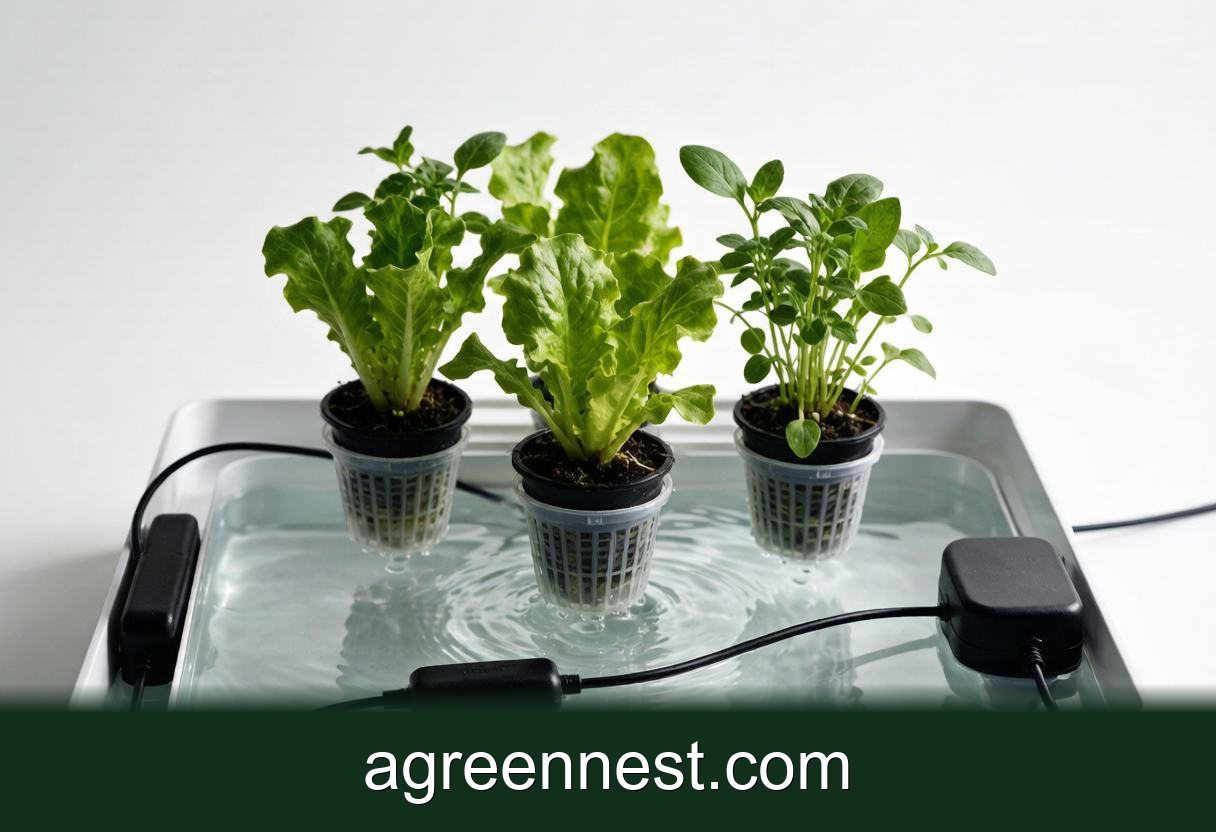
Hydroponic Nutrients grows fastest with a 1.5-2.0 EC nutrient solution at 18-22 C. Aim for 1.5-2.0 EC and pH 5.8-6.2, and give 13-16 hours of grow-light or bright supplemental light (14-16 hours daily). Keep roots dark and aerated, and change the reservoir every 1-2 weeks to avoid salt buildup.
Two Parts, Not One
Hydroponic fertilizer never ships as a single bottle, and the reason is chemistry rather than marketing. Part A and Part B each contain mineral salts that react and precipitate the instant they touch at full concentration. Calcium in one bottle meets phosphate and sulfate in the other, and the two lock into a white sludge that roots cannot absorb. Keep the bottles apart, measure each into water on its own, then combine the dilute mixes. A standard home reservoir for leafy greens runs at 1.5 to 2.0 EC, which reads about 1050 to 1400 ppm on the 0.5 scale most meters use. Stay inside that band and growth stays steady. Push past 2.5 EC and you risk tip burn and osmotic stress that stalls the crop.
What Does Each Part Actually Do?
Part A carries calcium along with the bulk of the nitrogen and potassium that build leaf mass. Part B delivers magnesium, sulfur, and the trace metals including iron, manganese, copper, and zinc. The separation is essential because calcium reacts with phosphate at concentration. Factories split the formula so the hobby grower recombines it safely at dilution. Mix Part A into the reservoir first and stir for 30 seconds, then add Part B and stir again. A clean plastic scoop and a dedicated measuring jug prevent cross contamination that quietly ruins a batch.
Why Does pH Matter So Much?
Roots take up nutrients only inside a narrow chemical window, and most hydroponic crops want pH 5.8 to 6.2. Drift above 6.5 and iron and manganese lock out, so new leaves turn pale yellow while the veins stay green. Fall below 5.5 and micronutrients arrive too fast, which can scorch tender roots. A pen tester that reads to 0.1 pH costs little and prevents one lost crop. Test the reservoir every 2 to 3 days and nudge it back with a few drops of pH down or pH up. Stable pH matters more than hitting a perfect number once.
How Often Should You Change the Reservoir?
Salt and microbial drift build up even in a clean tank, so swap the full reservoir every 7 to 14 days. Top up daily with plain water because plants drink faster than they transpire, and evaporation concentrates salts. Keep the root zone at 18 to 22 C (64 to 72 F) so dissolved oxygen stays high and roots remain white and firm. Brown, slimy roots signal warm stale water and demand an immediate change. In summer, drop the change interval to 7 days and shade the tank from direct sun.
Which Crops Drink the Most?
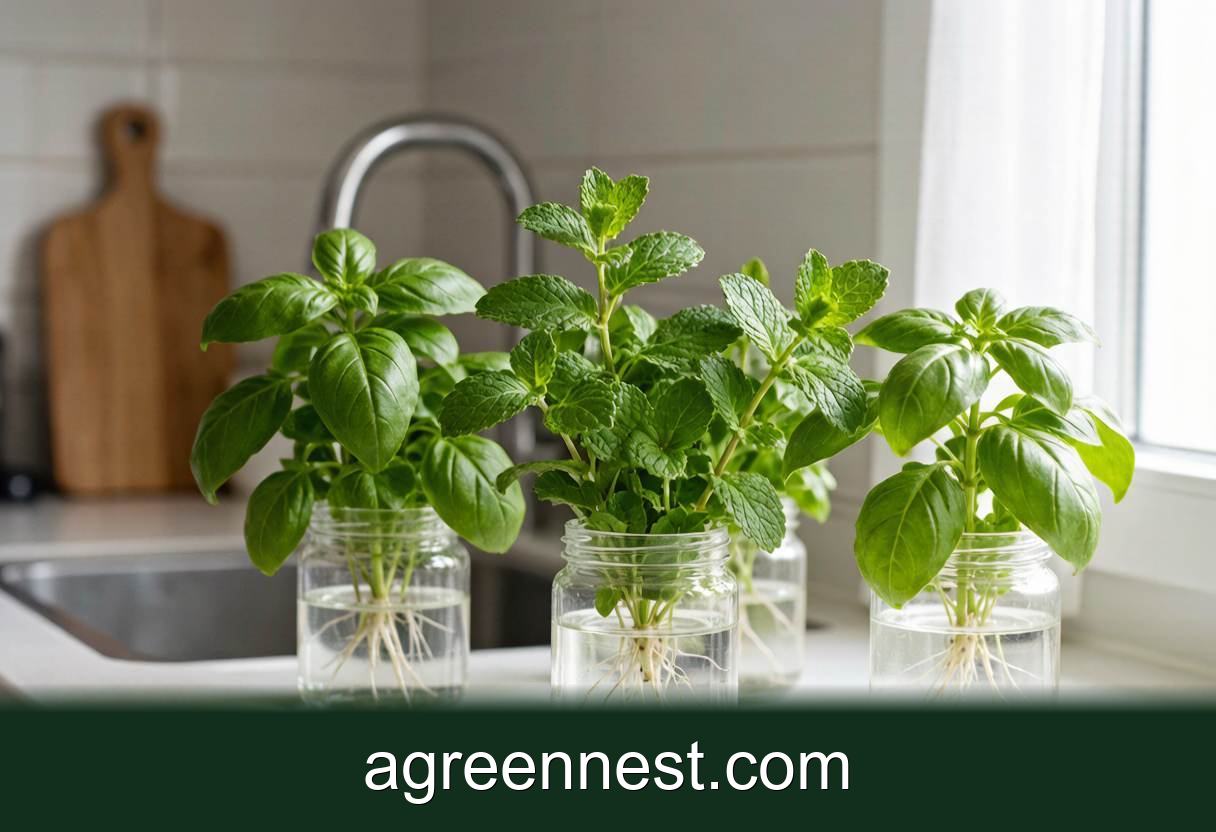
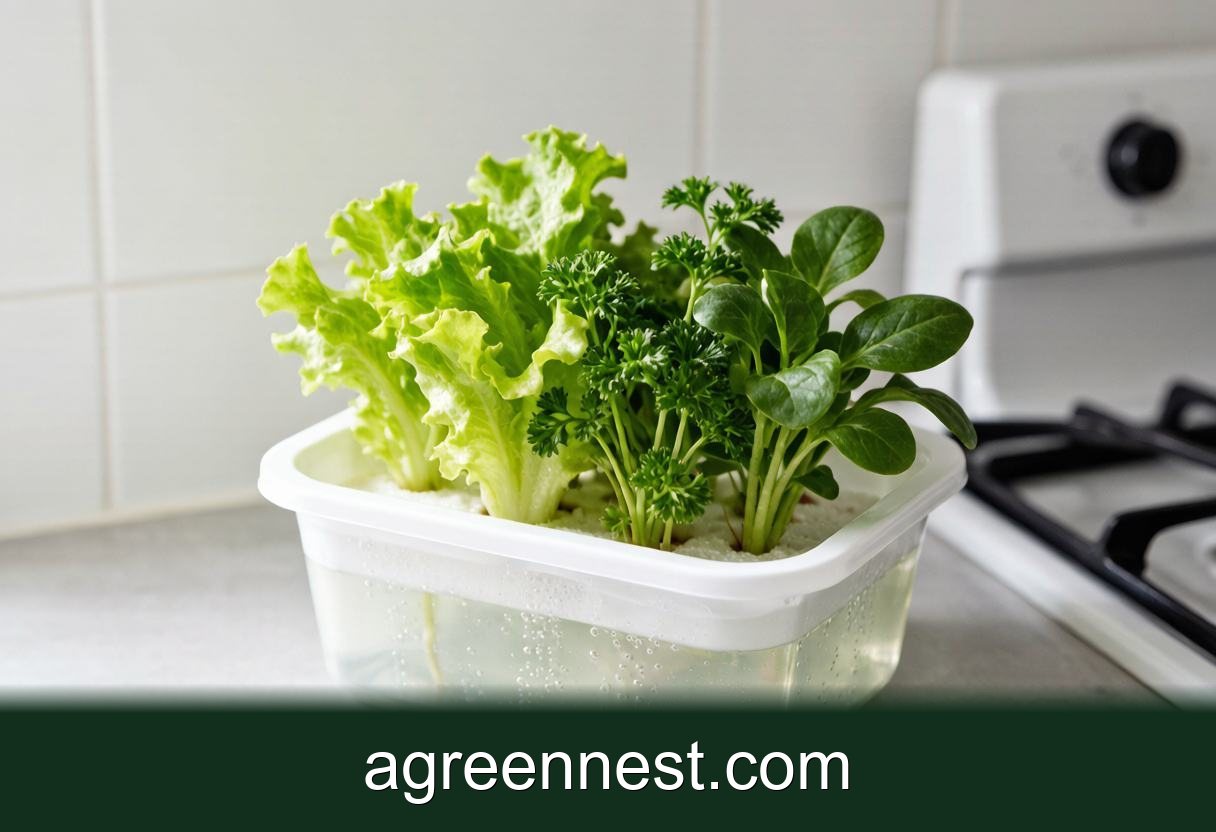
Leafy greens such as Lactuca sativa and Brassica oleracea are light feeders that sit happily at 1.5 EC. Fruiting crops like tomatoes and peppers pull harder and prefer 2.0 to 2.5 EC with extra potassium. Herbs vary, with basil greedy and mint modest. Match the strength to the plant rather than running one recipe for everything, and watch the leaves for feedback. A crop that suddenly yellows at the same recipe usually wants a strength change, not more light.
How Do You Mix a Fresh Batch?
Start with clean, room temperature water at 18 to 20 C. Fill the reservoir to working level, then add Part A at the label dose, usually 5 ml per litre for a 1.5 EC mix. Stir for 30 seconds so the salts dissolve evenly. Add Part B at the same rate and stir again. Wait 15 minutes for the solution to stabilise, then read EC with a calibrated meter and fine tune with more A or B if needed. Finally check pH and adjust to 5.8 to 6.2. Label the mix with the date so you know when the 7 to 14 day clock starts. A small notebook or the care schedule tool keeps the routine honest.
What Strength Should Seedlings Get?
Young transplants are delicate and burn easily at full strength. Start them at half dose, around 0.8 to 1.0 EC, for the first 7 to 10 days after moving into the reservoir. Raise the concentration by 0.2 EC every few days as roots establish and new leaves appear. By week two most greens handle the full 1.5 to 2.0 EC without stress. Watch the leaf tips, because brown crispy edges mean you moved too fast and should back off. This gradual ramp prevents the shock that stalls growth for weeks.
Can You Reuse Old Solution?
Pouring last week's reservoir back in is tempting but risky. Used solution carries root exudates, stray bacteria, and shifting salt ratios that no longer match the label. If the mix is under 5 days old, clear, and within pH range, you can top up rather than dump. Beyond that, discard and start fresh. Never top a fruiting crop with old lettuce water, because the nutrient balance differs. Clean the tank with a dilute hydrogen peroxide rinse, about 10 ml per litre, then rinse twice with plain water before refilling.
Which Meter Should You Trust?
Cheap EC pens drift after a few months, so calibrate monthly with a 2.76 mS standard solution. pH pens need a two point check using pH 4.0 and 7.0 buffers. Wipe the probe with a soft cloth, never abrasive paper, and store it wet in the cap. A meter you trust beats a precise meter you ignore, so build the habit of testing every 2 to 3 days. Replace the probe the season it starts giving jumpy readings.
Frequently Asked Questions
Q: Can I use just one bottle?
A: No. The two part split prevents precipitation. Use both at the labelled ratio or nutrients fall out of solution.
Q: Do I need to add calmag?
A: Only with very soft water below 60 ppm. Most A/B blends already include enough calcium and magnesium for typical city supplies.
Q: Why did my solution turn cloudy?
A: You likely mixed A and B before diluting. Always dissolve each part in its own water first.
Two bottles, a pH pen, and a change schedule are the whole secret. Log strength, temperature, and swap dates in the care schedule tool, and your reservoir will stay balanced from seed to harvest.
Recommended Tools for Hydroponic Growing Care
Free, no-signup helpers matched to this guide.
Free Ebooks to Explore
Downloadable handbooks — no email required.
Free Ebook
The AGreenNest Succulent Care Handbook
The complete, beginner-to-confident guide to growing fat, happy succulents — 10 chapters and a 20-plant directory.
Free Ebook
Haworthia & Haworthiopsis Care Handbook
A focused guide to the striped, forgiving Haworthia clan.
Sources & further reading
GreenNest authors research and write every guide independently. The external links below are reputable references we recommend for deeper reading — they are not the sources we copied from.
- Oregon State University Extension — Oregon State Extension
- NC State Extension — Plant Toolbox — NC State Extension
- UA Controlled Environment Agriculture Center — U Arizona CEAC
Share Your Plant Story
Grown something tricky, or found a trick that finally worked? Tell us in the comments, or see what other readers are sharing on our Community page. The best reader tips get folded back into our guides.

Join the Conversation
Have a tip or a question about Hydroponic Nutrients: A, B, and pH? Share it below — comments are saved on our server.