 AGreenNest
Hydroponic Growing
Mint (Hydroponics)
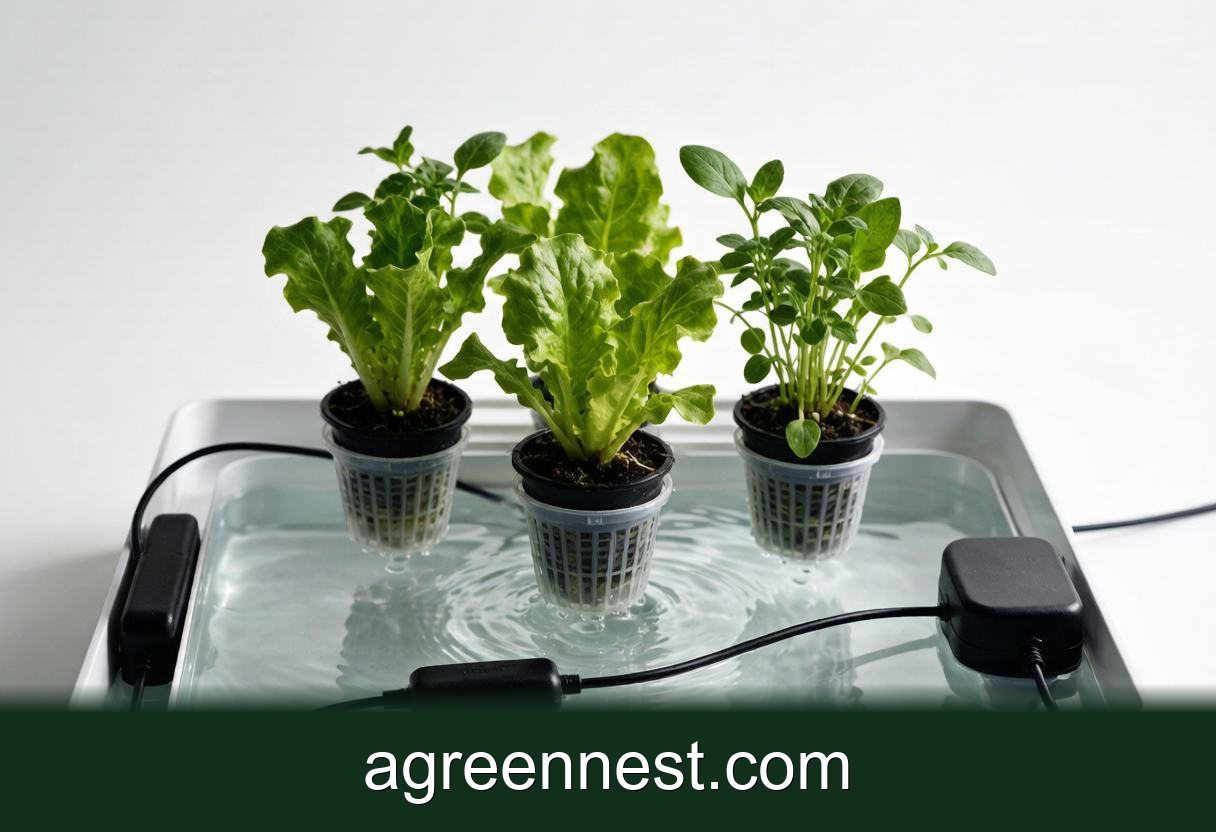
Run Mint (Hydroponics) at steady strength: 1.5-2.0 EC, pH 5.8-6.2, reservoir 18-22 C. Provide a few hours of direct sun for 14-16 hours a day. The only common failure is stale solution, so top up daily and swap the reservoir every 7-14 days so roots stay white and active.
About Mint
Mint, known botanically as Mentha spicata and its many hybrids, is the most forgiving plant you can grow in water. It tolerates a wide range, from 1.0 to 2.0 EC and pH 5.5 to 6.5, which is why beginners succeed with it. Run the reservoir at 18 to 22 C (64 to 72 F) and give 14 to 16 hours of light at 120 to 200 µmol/m²/s. Cool roots keep the flavour bright, so a small fan or a shaded tank helps. A single cutting can fill a 5 litre pot in 4 to 6 weeks. Spearmint and peppermint both adapt, though peppermint, Mentha x piperita, runs a touch more slowly than spearmint at the start.
What Light Does Mint Need?
Mint likes bright light but dislikes scorching heat, so aim for 120 to 200 µmol/m²/s over a 14 to 16 hour day. Below 80 µmol the stems stretch and leaves lose their pungency. Above 300 µmol, with still air, the foliage yellows at the edges. A standard full spectrum LED on an outlet timer delivers steady output without heat. Rotate the pot weekly so all sides colour evenly. Good light is what turns watery sprouts into aromatic, oil rich leaves.
Why Does Mint Like Cool Roots?
Cool root zones slow transpiration and concentrate the essential oils that give mint its bite. Hold the reservoir at 18 to 20 C with a fan or a frozen bottle swapped daily in summer. Warm water above 24 C invites Pythium and turns leaves soft and flavourless. A small air stone at 1 to 2 litres per minute keeps oxygen high and roots white. Check the tank every 2 to 3 days, because mint drinks fast and a dry reservoir wilts it within hours.
How Do You Start Mint From a Cutting?
Take a 10 to 15 cm tip cutting with 2 to 3 nodes and strip the lower leaves. Drop it straight into a net pot with the node submerged in 1.0 EC solution at pH 6.0. Roots appear in 5 to 10 days at 20 to 22 C. Once roots reach 5 cm, move the cutting to the full reservoir and raise strength to 1.5 EC. Thin to one stem per 5 cm of pot space so air flows through the canopy. A windowsill jar works as well as a priced system for the first plant.
Which System Works Best?
Mint thrives in almost anything, from a Kratky jar to a 20 litre DWC tote. A passive Kratky jar needs no pump and suits a kitchen counter perfectly. For larger harvests, a DWC tote with a 4 watt air pump serves 6 to 8 plants. Space stems 15 to 20 cm apart so the canopy stays open. Because mint spreads by runners, contain it in its own reservoir rather than mixing it with slower crops. Separation keeps the aggressive roots from crowding neighbours. A 5 litre Kratky jar on the windowsill is enough for a family's tea and cooking needs through the summer.
What Strength Should Seedlings Get?
New cuttings root fastest at low strength, around 1.0 EC for the first 7 days. This gentle feed supports root growth without burning tender tissue. Raise by 0.2 EC every few days until you reach the full 1.5 to 2.0 EC by week two. Watch the lower leaves, because yellowing at low strength means the cutting is hungry, while tip burn means you went too high. Mint is robust, so small errors self correct within days. Keep the pH at 5.8 to 6.2 throughout.
How Often Should You Harvest?
Pinch the top 2 to 3 cm of each stem every 5 to 7 days to force bushy growth. Regular harvesting prevents legginess and keeps the flavour concentrated. A healthy pot yields 10 to 20 g of fresh leaf per week once established. Always use clean scissors, because torn stems invite rot at the waterline. Harvest in the morning after the light has warmed the oils but before midday heat. Drying or freezing the surplus preserves the summer scent for months.
Can Mint Share a Tank With Other Herbs?
Mint is a bully in shared reservoirs because its roots grow faster than basil or parsley. Keep it in its own 5 to 10 litre container to avoid smothering neighbours. If you must mix, give mint a divider net pot and check weekly for runners escaping. Basil prefers 1.5 to 2.0 EC and warm roots, while mint likes it cooler, so separate tanks also let you tune each recipe. Independence is the price of peace in a mixed herb garden.
Frequently Asked Questions
Q: Do I need pumps and timers?
A: Not always. Passive Kratky needs none. Active DWC or NFT systems do need a pump and a timer.
Q: Is hydroponic food the same as normal fertiliser?
A: No. Use a proper two part A/B nutrient. Ordinary soil fertiliser clogs lines and unbalances the mix.
Q: Why are my leaves pale?
A: Usually the pH drifted, so roots cannot absorb iron. Test and correct to 5.8 to 6.2.
Mint is the easiest win in hydroponics, and almost any setup works if the roots stay cool. Set the EC, hold the pH, and change the tank on schedule with the care schedule tool, and you will have fresh leaves all year.
Recommended Tools for Hydroponic Growing Care
Free, no-signup helpers matched to this guide.
Free Ebooks to Explore
Downloadable handbooks — no email required.
Free Ebook
The AGreenNest Succulent Care Handbook
The complete, beginner-to-confident guide to growing fat, happy succulents — 10 chapters and a 20-plant directory.
Free Ebook
Haworthia & Haworthiopsis Care Handbook
A focused guide to the striped, forgiving Haworthia clan.
Sources & further reading
GreenNest authors research and write every guide independently. The external links below are reputable references we recommend for deeper reading — they are not the sources we copied from.
- UF/IFAS Gardening Solutions — UF/IFAS
- Oregon State University Extension — Oregon State Extension
- NC State Extension — Plant Toolbox — NC State Extension
Share Your Plant Story
Grown something tricky, or found a trick that finally worked? Tell us in the comments, or see what other readers are sharing on our Community page. The best reader tips get folded back into our guides.
Join the Conversation
Have a tip or a question about Mint (Hydroponics)? Share it below — comments are saved on our server.