 AGreenNest
Hydroponic Growing
12 Best Plants for Hydroponics (Ranked by Ease)
Run 12 Best Plants for Hydroponics (Ranked By Ease) at steady strength: 1.5-2.0 EC, pH 5.8-6.2, reservoir 18-22 C. Provide low to medium light for 14-16 hours a day. The only common failure is stale solution, so top up daily and swap the reservoir every 7-14 days so roots stay white and active.
Choosing the right crop settles half the battle in hydroponics. Some plants practically grow themselves in water, while others test even experienced growers. These twelve plants are ranked by how forgiving they are and how much light they demand. A steady reservoir at 1.5 to 2.0 EC, pH 5.8 to 6.2, and 18 to 22 °C keeps roots white and productive. Run the lights for 14 to 16 hours a day and you remove most beginner failures. Top up the solution daily and swap the reservoir every 7 to 14 days so roots stay active. This guide leads with the numbers so you can shop with confidence and avoid the common stale solution mistake.
How We Ranked These Plants
Every plant below is scored on two practical factors: beginner forgiveness and light demand. Leafy greens sit at the top because they grow fast and tolerate imperfect conditions. Fruiting crops fall lower because they need more light, stronger nutrients, and steadier care. We also weighed how quickly a crop rewards your effort, since fast results build good habits. Use the table near the end as a cheat sheet when you buy seeds or seedlings. Pair your choice with the right system from our beginner hydroponics guide for the smoothest start. A simple deep water culture bucket handles most of the greens here without pumps or timers beyond the light.
The Top 12, Ranked
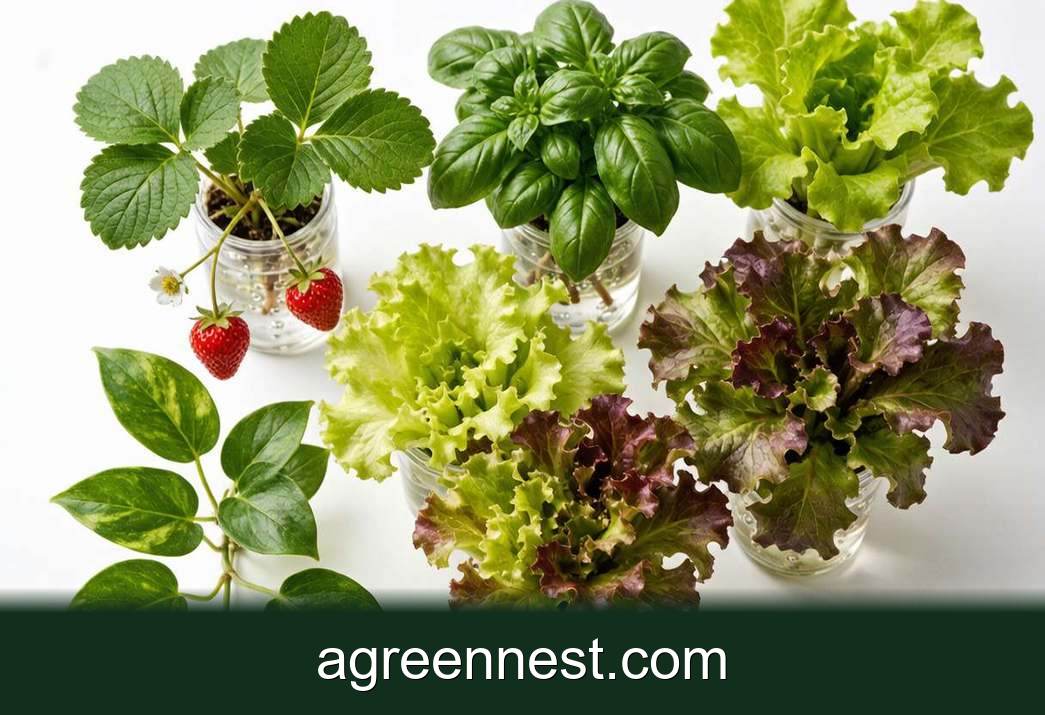
- Pothos (Epipremnum aureum). The easiest of all, a cutting in a jar needs only light and weekly water changes.
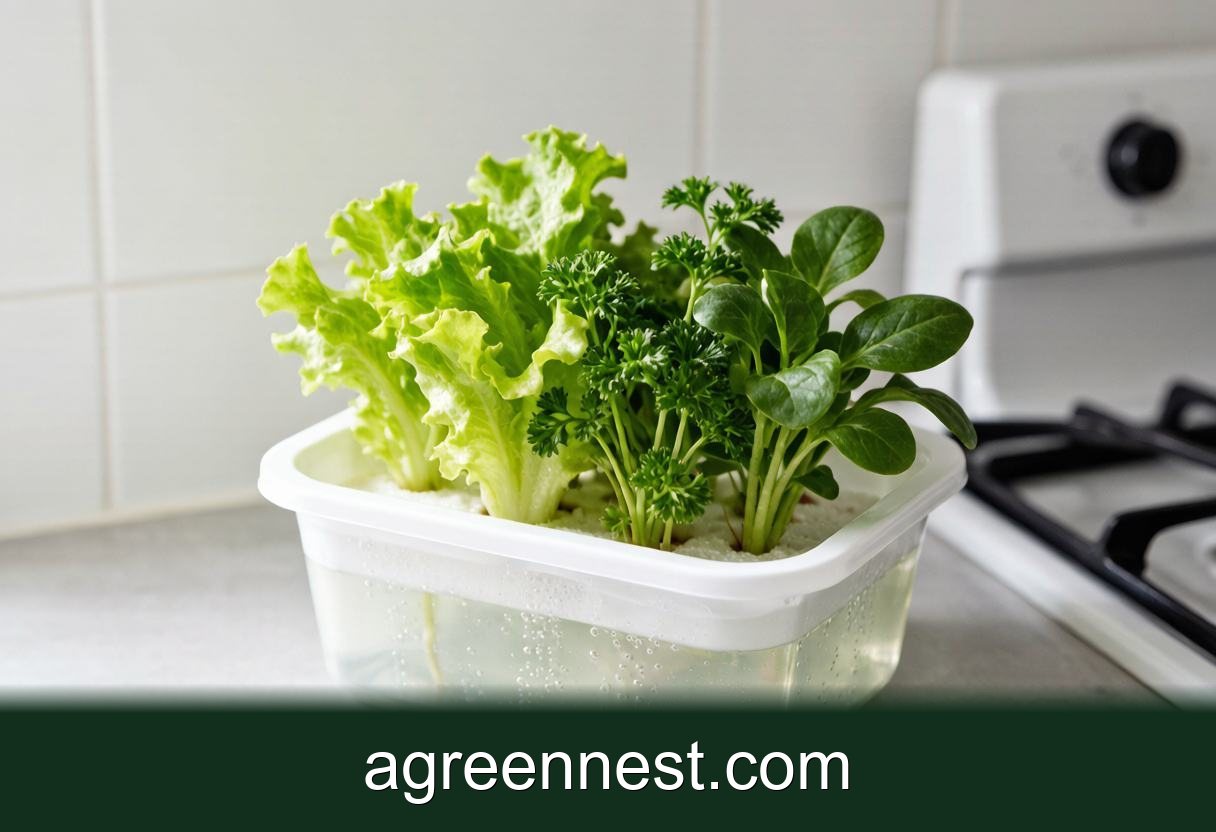
- Lettuce (loose-leaf, Lactuca sativa). Fast, forgiving, and perfect for countertop systems.
- Spinach (Spinacia oleracea). Similar to lettuce but a touch more sensitive to heat, so keep reservoirs cool.
- Basil (Ocimum basilicum). The best beginner herb, aromatic and endlessly harvestable.
- Mint (Mentha spicata). Vigorous and nearly indestructible, keep it contained or it takes over.
- Kale (Brassica oleracea). Nutrient dense and sturdy, though slower than lettuce.
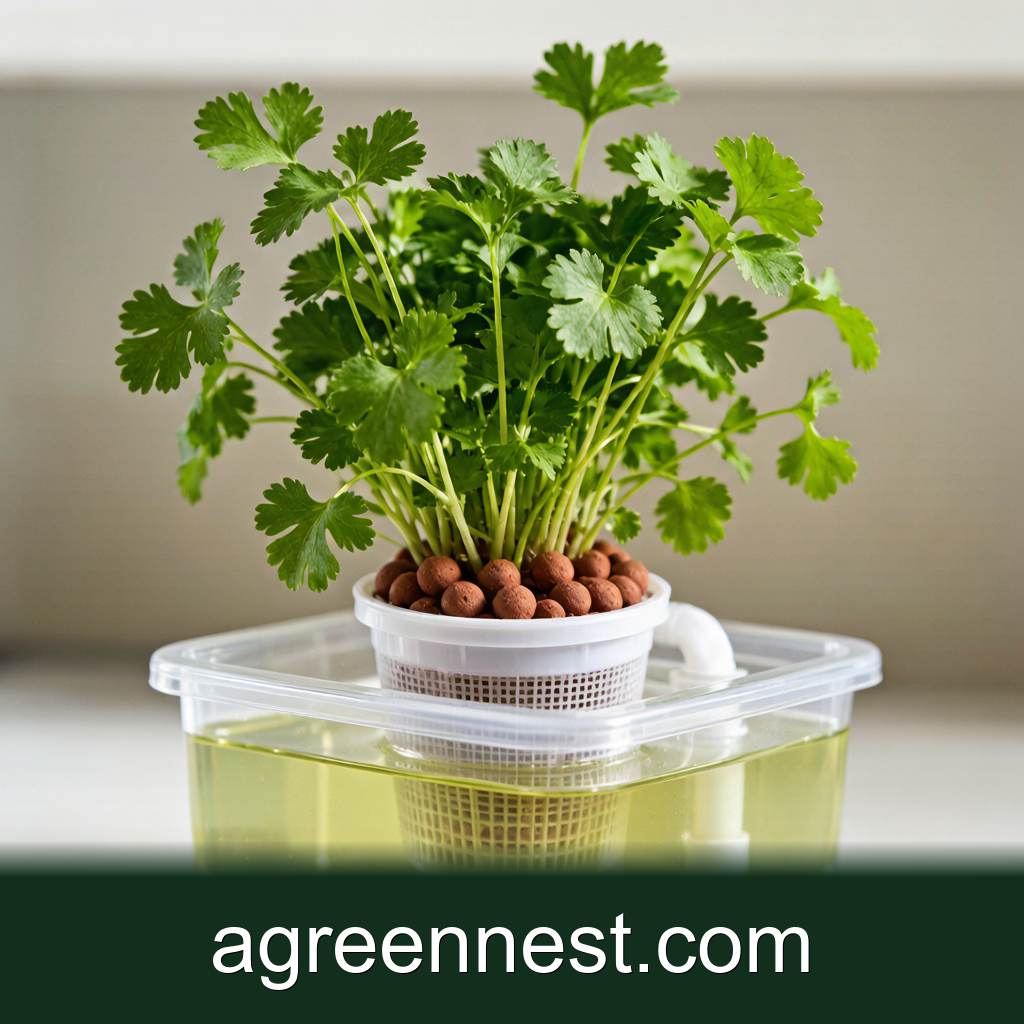
- Cilantro. Flavorful but bolts in heat, keep it cool and harvest young.
- Parsley. Slow to start yet long lasting once established in water.
- Arugula. Peppery and quick, a great follow-up crop after lettuce.
- Chives. Grass-like and tough, an easy allium for windowsills.
- Tomatoes (dwarf, Solanum lycopersicum). Rewarding but heavy feeders needing strong light and support.
- Strawberries (Fragaria ananassa). The showpiece, needing a chill period, bright light, and patience.
What Conditions Do Leafy Greens Need?
Lettuce, spinach, and kale form the backbone of any new garden. They share a love of mild nutrients and moderate light, which means a basic LED and a simple mix keep them thriving. Because they mature in three to five weeks, you get fast feedback and the confidence to try more. Spinach bolts in warmth just like lettuce, so hold the reservoir near 18 °C and keep the room below 24 °C. Kale is the slower, hardier cousin that keeps producing through minor mistakes that would stress tender lettuce. A weekly EC check at 1.2 to 1.6 keeps these greens inside their comfort zone. Grow two trays at once and you will always have a salad within reach.
Why Do Herbs Thrive in Water?
Basil, mint, chives, and parsley all transition beautifully to water culture. Basil is the standout: pinch the tops to encourage bushy growth, and a single plant can supply a kitchen for months at 1.5 to 2.0 EC. Mint is so enthusiastic that growers often keep it in its own reservoir to control its spread. Cilantro and parsley need more attention and a cooler root zone near 16 to 18 °C. Cilantro bolts quickly in heat, while parsley is slow to root but then steadfast. Both reward patience with fresh flavor no grocery store can match. Harvest herbs in the morning when the oils are strongest, and never strip more than a third of the plant at once.
When Should You Try Fruiting Crops?
Tomatoes and strawberries sit at the bottom of our list not because they fail, but because they demand more. Dwarf tomato varieties need 14 to 16 hours of strong light and a richer mix at 2.0 to 2.5 EC to set fruit. Strawberries want a cool period near 10 °C and bright, even lighting to produce sweet berries. Pollination matters too, so a small fan or a gentle shake helps tomatoes set. If you love a project, these are worth the effort and the higher running cost. Start with greens first, build your confidence, then graduate to a fruiting crop once your routine is solid and your light is proven.
How Do You Match Plants to Your Space?
A sunny windowsill suits pothos, herbs, and lettuce without extra gear. A darker corner needs a small grow light to reach the medium light group, aiming for 200 to 400 micromoles of PAR at the canopy. Only commit to tomatoes or strawberries if you have a bright spot and a reliable light source, because low light means no fruit and wasted nutrients. Start with two or three entries from the top of the list. Success there builds the habit of checking water, pH, and nutrients that every other plant depends on. Measure your actual light with a meter before buying fruiting seeds, since guesswork is the usual cause of empty plants.
Difficulty and Light Table
| Plant | Difficulty | Light Needed | Notes |
|---|---|---|---|
| Pothos | Very Easy | Low | Decorative, indefinite in water |
| Lettuce | Very Easy | Medium | Cut-and-come-again |
| Spinach | Easy | Medium | Keep reservoir cool |
| Basil | Easy | Medium | Pinch for bushiness |
| Mint | Easy | Medium | Contain its spread |
| Kale | Easy | Medium | Slow but sturdy |
| Cilantro | Moderate | Medium | Bolts in heat |
| Parsley | Moderate | Medium | Slow to root |
| Arugula | Easy | Medium | Quick and peppery |
| Chives | Easy | Medium | Tough allium |
| Tomato (dwarf) | Hard | High | Heavy feeder, needs support |
| Strawberry | Hard | High | Needs chill period |
Frequently Asked Questions
A
Yes. Lettuce, herbs, and pothos thrive in water with the right nutrient mix.
A
Pothos and loose-leaf lettuce are the most forgiving, making them ideal first crops.
A
Yes, but tomatoes and strawberries need strong light, richer nutrients, and more care.
Picking the right crop is the fastest path to hydroponic confidence, and this ranked list points you straight to the winners. Begin with pothos or lettuce, then let your curiosity lead you down the list. For system ideas and setup help, see our beginner hydroponics guide and start growing today.
Recommended Tools for Hydroponic Growing Care
Free, no-signup helpers matched to this guide.
Free Ebooks to Explore
Downloadable handbooks — no email required.
Free Ebook
The AGreenNest Succulent Care Handbook
The complete, beginner-to-confident guide to growing fat, happy succulents — 10 chapters and a 20-plant directory.
Free Ebook
Haworthia & Haworthiopsis Care Handbook
A focused guide to the striped, forgiving Haworthia clan.
Sources & further reading
GreenNest authors research and write every guide independently. The external links below are reputable references we recommend for deeper reading — they are not the sources we copied from.
- University of Minnesota Extension — U Minnesota Extension
- Oregon State University Extension — Oregon State Extension
- UF/IFAS Gardening Solutions — UF/IFAS
Share Your Plant Story
Grown something tricky, or found a trick that finally worked? Tell us in the comments, or see what other readers are sharing on our Community page. The best reader tips get folded back into our guides.
Join the Conversation
Have a tip or a question about 12 Best Plants for Hydroponics (Ranked by Ease)? Share it below — comments are saved on our server.