 AGreenNest
Hydroponic Growing
Dwarf Tomatoes (Hydroponics)
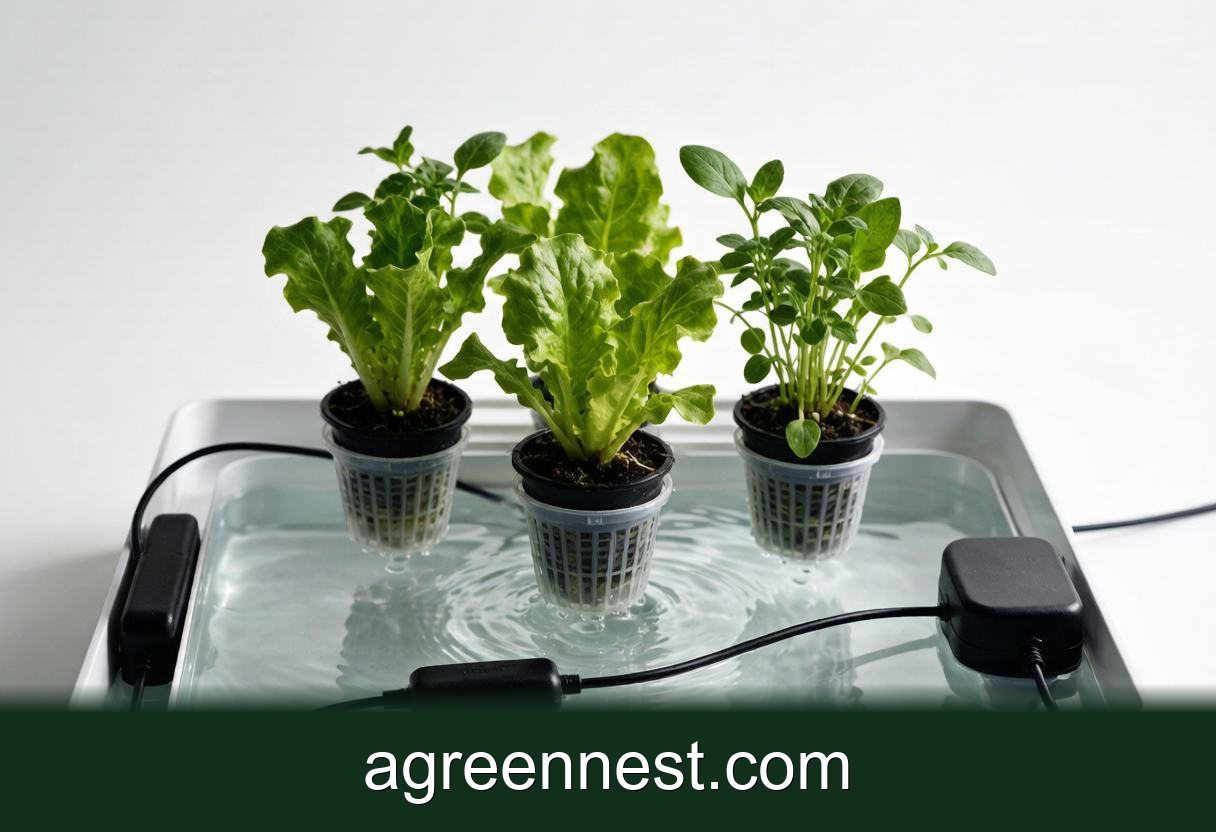
Dwarf Tomatoes (Hydroponics) grows fastest with a 1.5-2.0 EC nutrient solution at 18-22 C. Aim for 1.5-2.0 EC and pH 5.8-6.2, and give a few hours of direct sun (14-16 hours daily). Keep roots dark and aerated, and change the reservoir every 1-2 weeks to avoid salt buildup.
Why Grow Dwarf Tomatoes in Water?
Dwarf tomato varieties belong to Solanum lycopersicum and stay compact enough to fruit in a 5 gallon bucket. Most reach 2 to 3 feet tall and produce 6 to 10 pounds of fruit per plant over a single season. That yield comes from the fact that roots sit in oxygenated nutrient solution instead of fighting compacted soil. You skip weeding, you skip most pests, and you control exactly what the plant eats.
The trade is attention. A bucket system has no soil buffer, so a missed reservoir change shows up on the leaves within days. Treat hydroponics like a small aquarium you eat from, and the math works in your favor. A single plant on a windowsill can cover a family's snack tomatoes for two months.
What You Need to Start
Begin with a determinate dwarf cultivar rather than a sprawling indeterminate one. Good picks include 'Tiny Tim', 'Patio', and 'Bush Early Girl'. Each fits a 5 gallon net-pot lid or a Kratky bucket with a 2 inch hole. Start from seed if you can, because nursery transplants often arrive with soil pests you do not want in your reservoir.
You will need three pieces of hardware. First, an air pump moving 18 to 40 liters per hour keeps the root zone from going anaerobic. Second, a digital pH meter that reads to 0.1 units, because cheap strips drift by a full point. Third, a two part A/B nutrient set, not a single bottle labeled all purpose. A 5 gallon reservoir holds roughly 19 liters, and a mature plant drinks 1 to 2 liters per day in warm weather.
Nutrient Strength and pH
Target an EC of 1.5 to 2.0 and a pH between 5.8 and 6.2. EC measures dissolved salts in millisiemens per centimeter. At 1.5 the solution is light, at 2.0 it sits near the ceiling for tomatoes. Push past 2.4 and you risk tip burn on new leaves.
Mix by adding part A to water, stirring, then adding part B. Never pour the two concentrates into the same cup before dilution, because they form a chalky precipitate that locks out calcium. Check pH every other day. Top off the reservoir with plain water between changes, since plants pull nutrients faster than water and the EC climbs as volume drops.
Watch calcium and magnesium specifically. Tomatoes are heavy calcium feeders, and a deficit shows as blossom end rot, a flat brown scar on the bottom of the fruit. If your A/B set lacks a cal-mag booster, add 1 milliliter per gallon of a 2 percent magnesium sulfate solution during flowering.
Change the full reservoir every 1 to 2 weeks. In a 75°F (24°C) room, salts build up faster than in a 65°F (18°C) basement, so shorten the interval when it is hot.
How Much Light Do They Need?
Give dwarf tomatoes 14 to 16 hours of light daily. They are sun plants, not shade plants, and a south window alone rarely delivers enough in winter. Under a LED panel, aim for 200 to 400 micromoles of PAR at the canopy, or roughly 30 to 50 watts per square foot of grow space.
If you run them outdoors in summer, a few hours of direct sun beats 16 hours of weak indoor light. Move the bucket outside once nights stay above 55°F (13°C), and bring it back in before the first frost. Fruit set stalls below 60°F (16°C) daytime and above 90°F (32°C), so watch the thermometer during heat waves.
When Should You Harvest?
Pick fruit when it reaches full color and yields slightly to a gentle squeeze. A ripe dwarf tomato separates from the stem with a light tug, leaving the green calyx behind. Flavor peaks at room temperature, so never refrigerate unless you must, and then only for two or three days.
Indoor plants often need a hand with pollination. Tap the flower cluster with a finger or run a small paintbrush between blossoms once a day while they are open. Without this step, you may get flowers but no fruit, even with perfect nutrient levels.
Common Mistakes to Avoid
Clear reservoirs let algae grow on the roots, which competes for oxygen and fouls the smell. Wrap the bucket in black plastic or use an opaque tub. Skipping the weekly EC check is the second big error. A plant that looked fine on Monday can show magnesium deficiency by Friday.
Support the stem even on dwarfs. A 7 ounce fruit cluster bends a 2 foot stem to the floor. A bamboo stake and a twist tie cost nothing and save the crop.
Frequently Asked Questions
Q: Do I need pumps and timers?
A: Not always. Passive Kratky buckets need no pump, but you still top off water by hand. Active DWC and NFT systems need both a pump and a timer to keep roots wet and cool.
Q: Can I move a soil tomato seedling to water?
A: Yes, but only as a seedling. Wash the soil from the roots gently, then set it in the net pot. Mature soil root balls rarely survive the transition because they lack water roots.
Q: Why are my lower leaves pale?
A: Usually the pH has drifted above 6.5, which blocks iron uptake. Test, then bring pH back to 6.0, and the new growth should green up within a week.
Dwarf tomatoes reward precise care with fruit you cannot buy at the store. Start with one bucket and our hydroponics guide, then scale to a two or three plant row once you trust your meter. The numbers above are your safety rails. Stay in the EC and pH bands, keep the light long, and change the water on schedule.
Recommended Tools for Hydroponic Growing Care
Free, no-signup helpers matched to this guide.
Free Ebooks to Explore
Downloadable handbooks — no email required.
Free Ebook
The AGreenNest Succulent Care Handbook
The complete, beginner-to-confident guide to growing fat, happy succulents — 10 chapters and a 20-plant directory.
Free Ebook
Haworthia & Haworthiopsis Care Handbook
A focused guide to the striped, forgiving Haworthia clan.
Sources & further reading
GreenNest authors research and write every guide independently. The external links below are reputable references we recommend for deeper reading — they are not the sources we copied from.
- Oregon State University Extension — Oregon State Extension
- Michigan State University — Gardening — Michigan State University
- UA Controlled Environment Agriculture Center — U Arizona CEAC
Share Your Plant Story
Grown something tricky, or found a trick that finally worked? Tell us in the comments, or see what other readers are sharing on our Community page. The best reader tips get folded back into our guides.
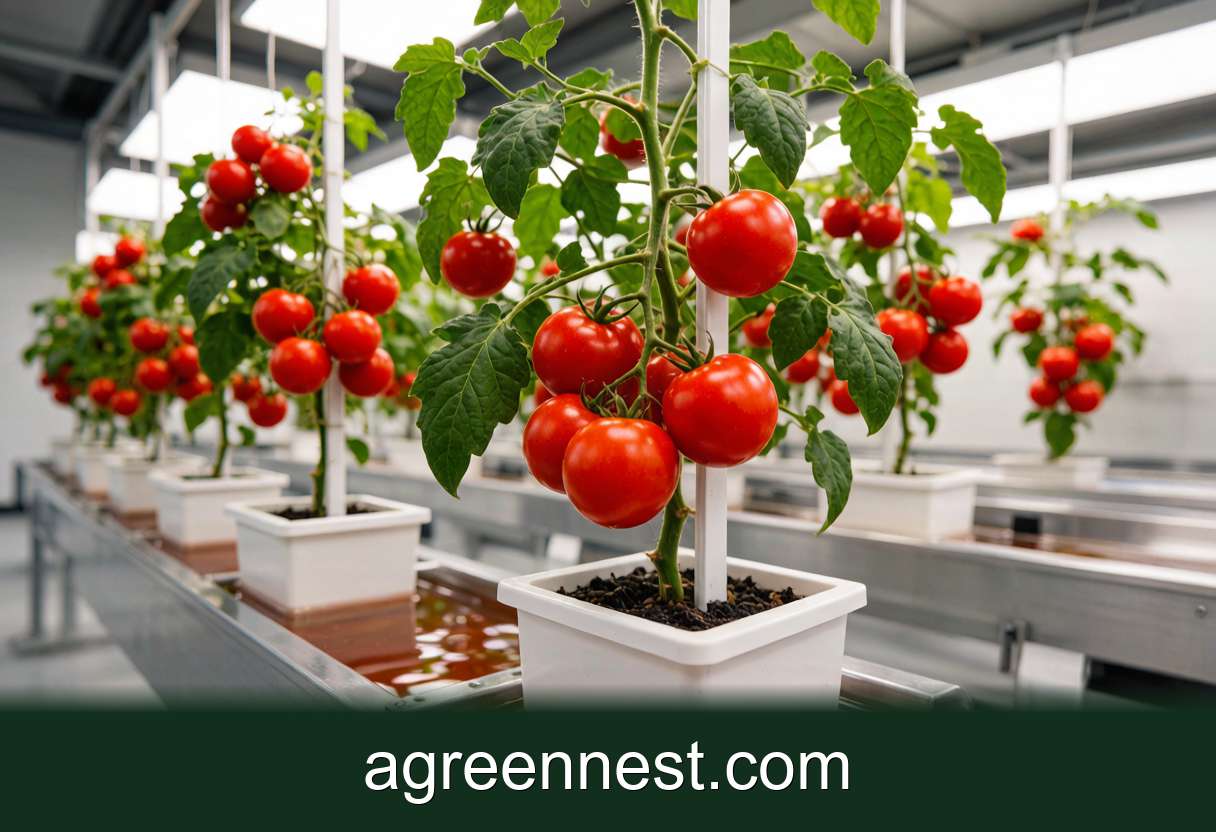
Join the Conversation
Have a tip or a question about Dwarf Tomatoes (Hydroponics)? Share it below — comments are saved on our server.