 AGreenNest
Hydroponic Growing
Clay Pebbles vs Rockwool for Hydroponics
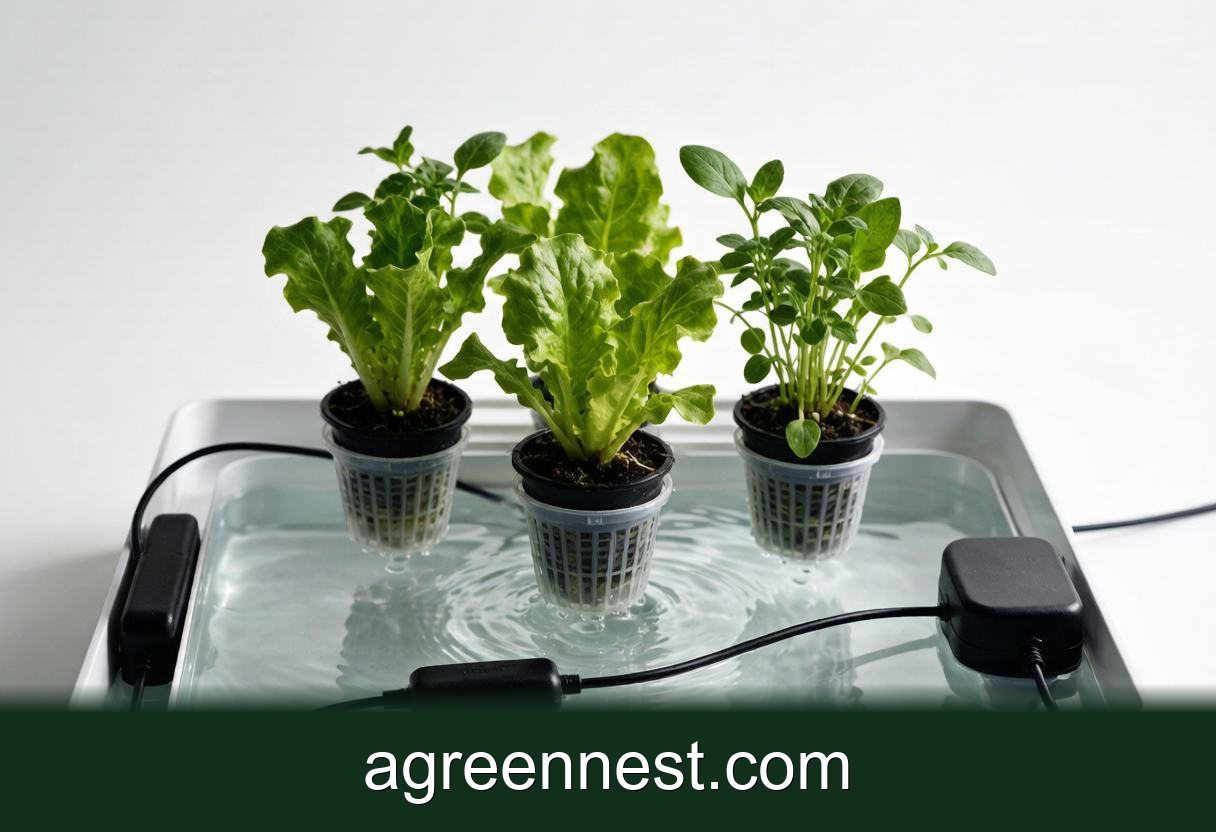
Clay Pebbles vs Rockwool for Hydroponics grows fastest with a 1.5-2.0 EC nutrient solution at 18-22 C. Aim for 1.5-2.0 EC and pH 5.8-6.2, and give 13-16 hours of grow-light or bright supplemental light (14-16 hours daily). Keep roots dark and aerated, and change the reservoir every 1-2 weeks to avoid salt buildup.
What Are Clay Pebbles?
Clay pebbles, often called LECA, are baked clay balls roughly 8 to 16 millimeters across. They hold both moisture and air in the gaps between balls, and they can be reused after a good scrub. In deep water culture and as a top layer they shine. The solution does all the feeding, because these balls do not hold nutrients.
One 10 liter bag costs about 12 to 18 dollars and lasts a small grower several seasons. Rinse them in a mesh strainer until the water runs clear, then soak for an hour before use. The weight also stabilizes tall plants that would tip in lighter media.
Pebbles suit plants that hate wet feet. Succulents such as Echeveria elegans and orchids like Phalaenopsis root happily in a pebble bed because the air gaps drain fast. For these crops the medium matters more than the fertilizer recipe.
Between cycles, boil the pebbles for ten minutes or run them through a hot dishwasher cycle to kill salts and spores. Let them dry fully before storage so they do not mould inside the bag. That simple step is why many growers call pebbles the lifetime medium. Dust from fresh pebbles clouds the first watering, so a quick pre rinse saves you a messy floor.
What Does Rockwool Actually Do?
Rockwool is spun mineral fibre that holds water and air beautifully and stabilises seedlings. It comes as cubes, slabs, and blocks. One 1 inch cube holds enough moisture for a seedling for two to three days in a humid dome. The material is single use, dusty when dry, and slightly alkaline, so rinse and pH it before use.
Wet the cube to field capacity, then insert the seed or cutting. Most growers pre soak rockwool in pH 5.5 water for thirty minutes. That lowers the initial alkalinity and prevents a young root from stalling at the start.
This fibre also works as a transplant bridge. A Crassula ovata cutting rooted in a cube moves cleanly into soil later, with no media clash. Keep the cube damp but never submerged, or the stem base rots.
Disposal matters because the fibres do not break down in home compost. Bag used slabs with household waste, or check whether a local facility accepts mineral wool for recycling. Thinking about the end of life keeps the hobby tidy.
How Do the Two Compare on Numbers?
Clay pebbles hold about 30 to 40 percent air by volume, while rockwool holds closer to 18 to 24 percent air but far more water. Both work for a nutrient solution at 1.5 to 2.0 EC and pH 5.8 to 6.2, but pebbles need more frequent top ups because they dry faster. Keep the reservoir at 64 to 72°F (18 to 22°C) for either medium.
The wetter slab suits humidity lovers. Pebbles keep roots airier, which suits succulents and orchids. Match the medium to the plant, not the other way around.
Weight tells the practical story. One full pebble pot can weigh three to four times a dry rockwool slab of the same size. On a balcony or a shelf that difference decides what your structure can hold.
Neither medium buffers nutrients well, so the solution strength drives everything you see above ground. Test the EC weekly and trust the numbers over the look of the media. Salt buildup shows first as white crust on the pebble surface, a clear signal to flush with plain water for a day.
Which Should You Choose?
Beginners and deep water culture users should reach for clay pebbles, since they are clean and forgiving. Seedling and NFT growers often prefer rockwool cubes because rooting is easy and uniform. Reuse minded growers win with pebbles, because a single bag serves many cycles.
Mixing the two works too. Root a cutting in a rockwool cube, then pot it into pebbles once roots show. That gives the best of both without much fuss.
If cost is the tie breaker, pebbles win over time despite the higher upfront bag price. Rockwool forces a new purchase for every propagation round, which adds up across a busy season.
For a single rescue plant, a pebble top dress over soil improves drainage cheaply. For a tray of fifty seedlings, rockwool cubes give uniform spacing that loose pebbles cannot match.
Start with a small experiment before committing. Run one cube and one pebble pot side by side for a month and the difference in root colour will tell you what your room needs. A spare bag of pebbles stored dry lasts for years, which makes the lifetime claim a real saving.
Frequently Asked Questions
Q: Can I mix the two media?
A: Yes. One rockwool cube rooted plant then potted into pebbles is a common and reliable combination for transition.
Q: Is rockwool safe to handle?
A: Wear gloves and a mask when cutting dry slabs, because the fine fibres irritate skin and lungs. Rinse the cube well before the plant touches it.
Q: Do pebbles feed the plant?
A: No. They only support and aerate. The nutrient solution does all the feeding, so you still need to mix EC and pH correctly.
Media choice is a small decision that still shapes every harvest. Pick the one that fits your crop and your patience, then plan your system with the care schedule tool so the reservoir change never gets missed.
Recommended Tools for Hydroponic Growing Care
Free, no-signup helpers matched to this guide.
Free Ebooks to Explore
Downloadable handbooks — no email required.
Free Ebook
The AGreenNest Succulent Care Handbook
The complete, beginner-to-confident guide to growing fat, happy succulents — 10 chapters and a 20-plant directory.
Free Ebook
Haworthia & Haworthiopsis Care Handbook
A focused guide to the striped, forgiving Haworthia clan.
Sources & further reading
GreenNest authors research and write every guide independently. The external links below are reputable references we recommend for deeper reading — they are not the sources we copied from.
- University of Minnesota Extension — U Minnesota Extension
- NC State Extension — Plant Toolbox — NC State Extension
- UF/IFAS Gardening Solutions — UF/IFAS
Share Your Plant Story
Grown something tricky, or found a trick that finally worked? Tell us in the comments, or see what other readers are sharing on our Community page. The best reader tips get folded back into our guides.

Join the Conversation
Have a tip or a question about Clay Pebbles vs Rockwool for Hydroponics? Share it below — comments are saved on our server.