 AGreenNest
Hydroponic Growing
The Kratky Method: Passive Hydroponics
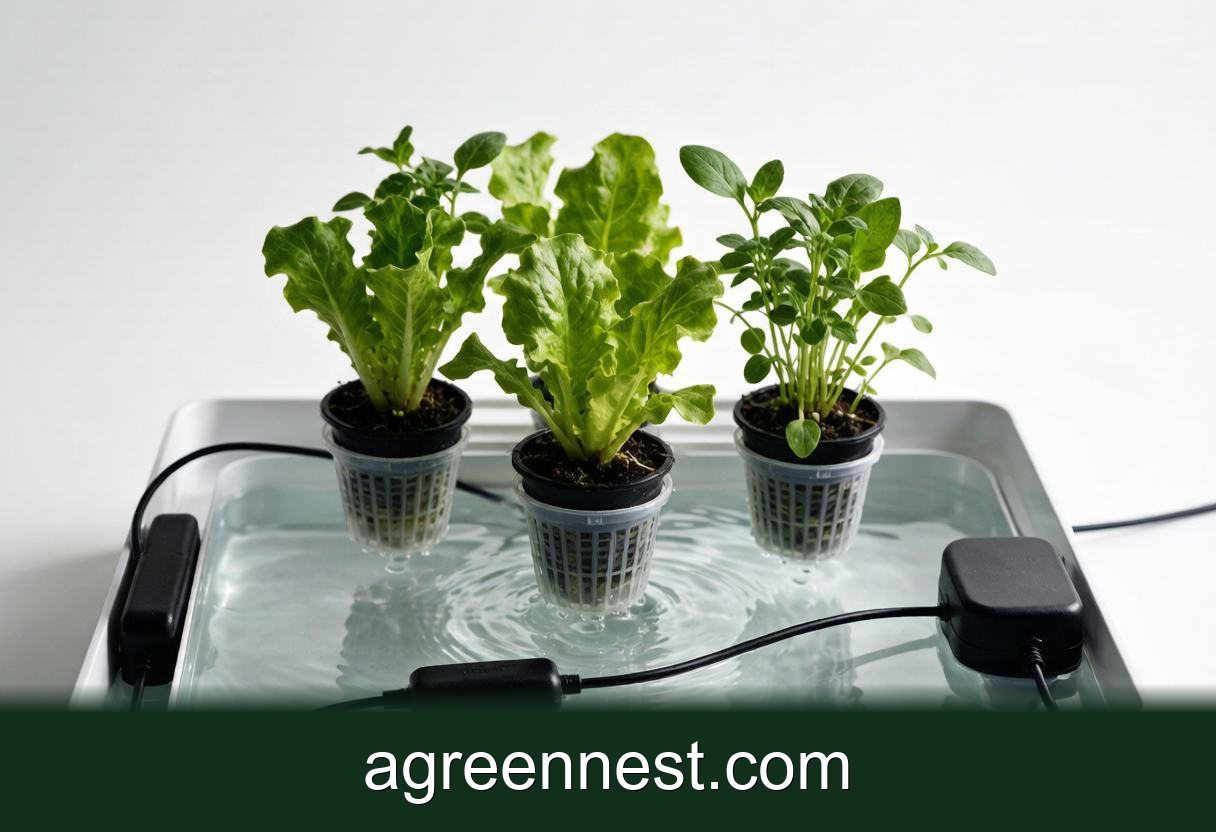
The Kratky Method grows fastest with a 1.5-2.0 EC nutrient solution at 18-22 C. Aim for 1.5-2.0 EC and pH 5.8-6.2, and give 13-16 hours of grow-light or bright supplemental light (14-16 hours daily). Keep roots dark and aerated, and change the reservoir every 1-2 weeks to avoid salt buildup.
What is the Kratky method?
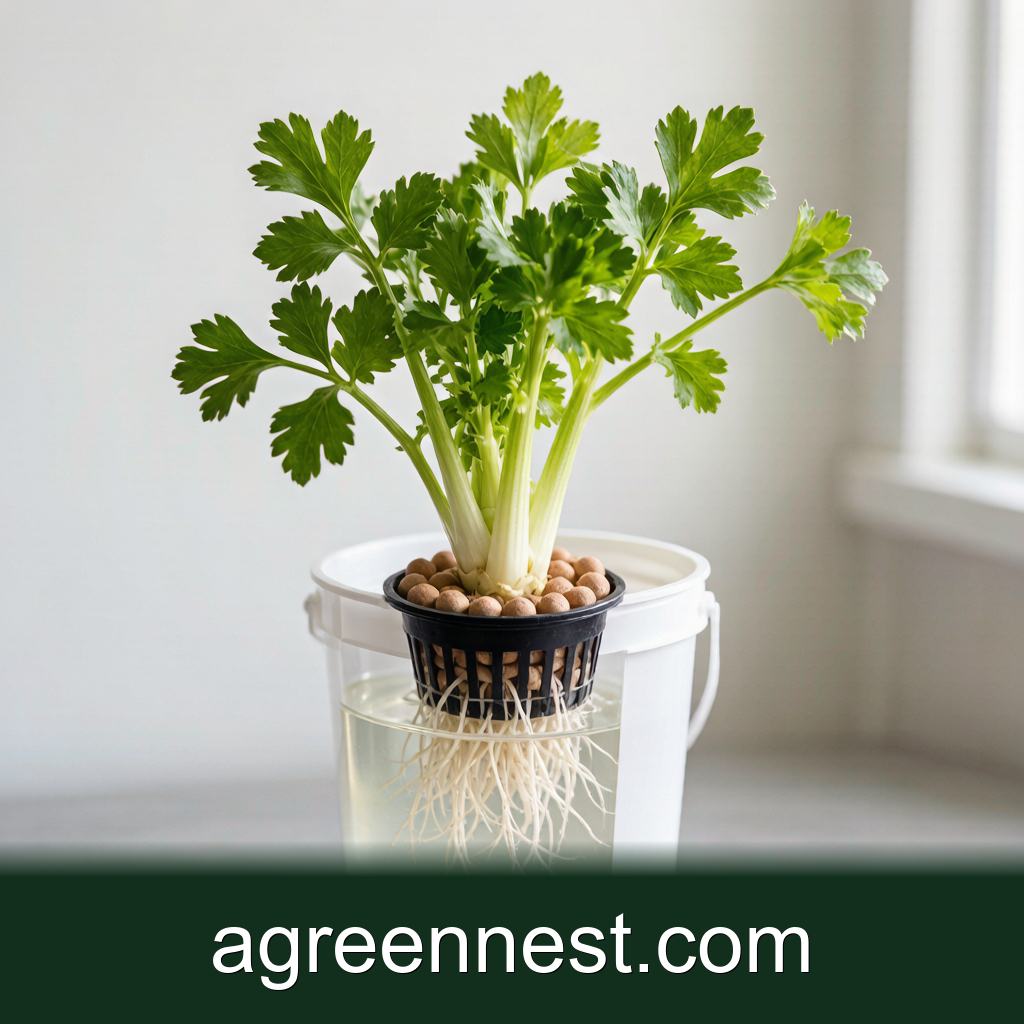
The Kratky method is a still water hydroponic system with zero moving parts. A plant sits in a net pot above a reservoir of nutrient solution. Roots drink from the liquid while an air gap forms above them as the level falls. There is no pump, no timer, and no electricity bill, which is why it appeals to growers who want food without a gadget habit. For a beginner, this is the fastest honest start because the only real failure points are light, pH, and container color.
The system was documented by B.A. Kratky at the University of Hawaii and has since been tested by extension programs across the United States. The principle is simple. As the plant drinks, the water line drops and leaves a gap of air above the remaining solution. That gap keeps the upper roots oxygenated while the lower roots stay submerged. You are essentially letting the plant create its own aeration as it grows, which removes the single most expensive component of traditional hydroponics.
How do you build a working setup?
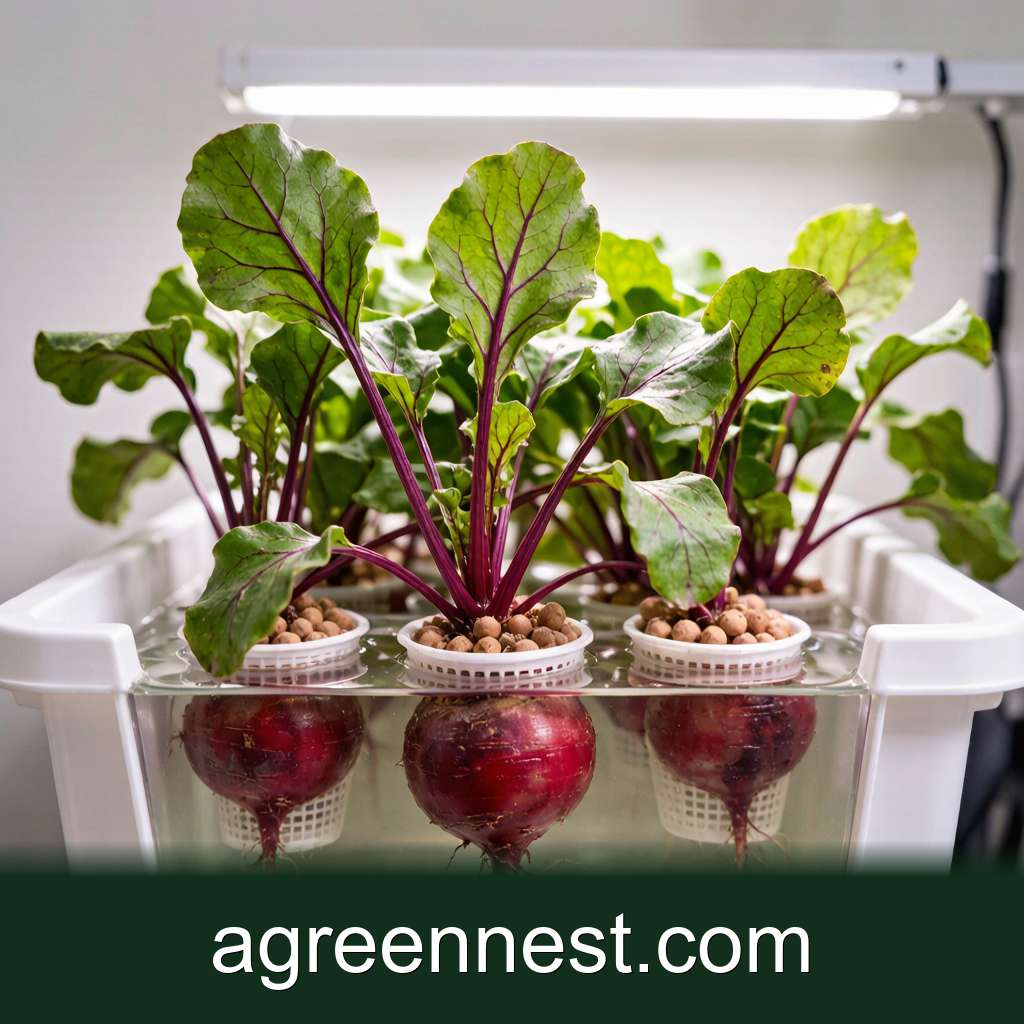
Start with a dark, opaque container that blocks light completely. Fill it with a nutrient solution mixed to 1.5 to 2.0 EC. Set the plant in a net pot filled with clay pebbles so the lower roots touch the solution and the stem stays dry above the lid. Leave a gap of about 2 inches between the water line and the lid so the air pocket can form.
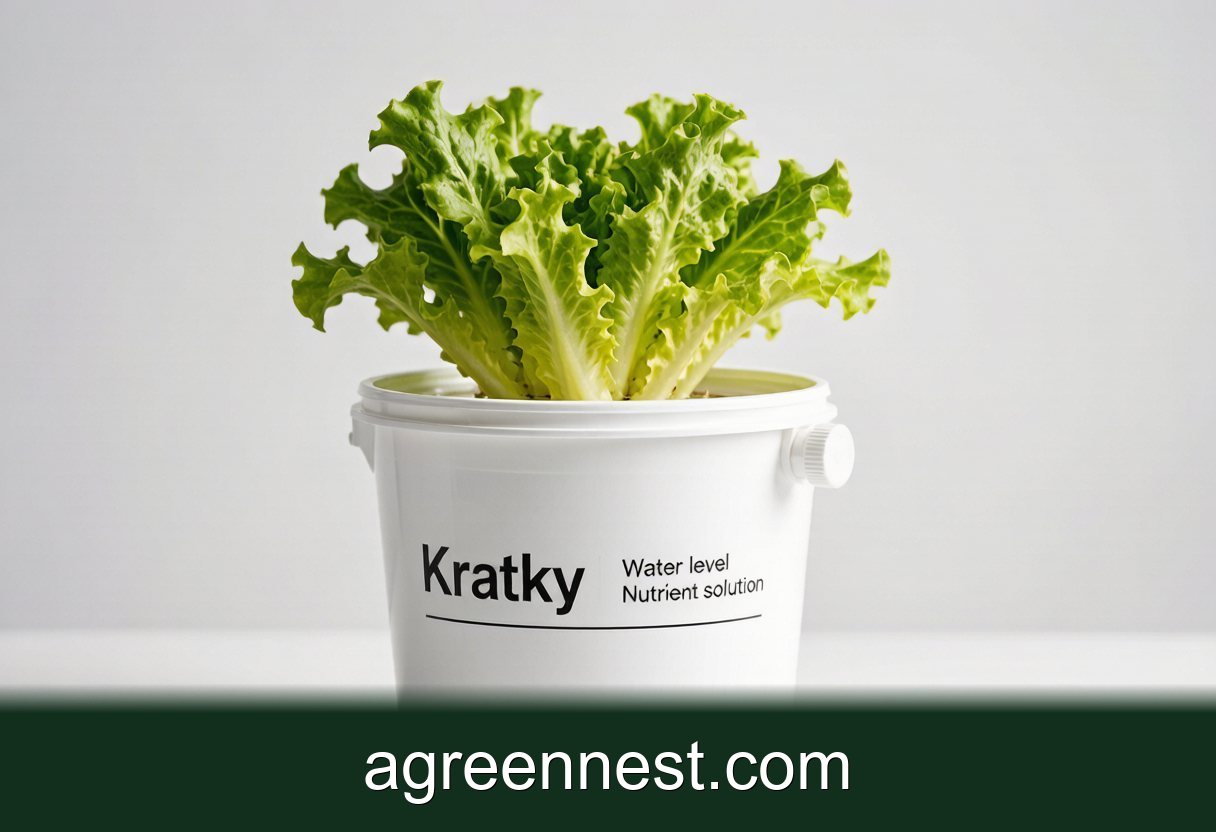
Top up only if the level drops too far before harvest. A 5 gallon bucket handles four to six lettuce plants at once, and a 2 gallon tub suits a single basil plant. Use a drill to make a snug hole for the net pot, then seal the edges so light cannot sneak in. Mark the starting water line with a permanent marker so you can see exactly how much the plant consumed each week. That single mark turns guesswork into data.
Why does container color matter?
Light is the enemy of this method. Clear or light colored vessels grow algae within days, and algae competes with your crop for nutrients while inviting fungus gnats to breed. Opaque black or painted containers solve the problem for the price of nothing. I test every new vessel by holding a flashlight against it in a dark room. If light passes through the wall, the plant will suffer even if the lid looks solid.
The lid matters as much as the body. A tight fitting lid keeps the solution dark and stops mosquitoes from using your reservoir as a nursery. If you only have a clear tote, wrap it in aluminum foil or slide it inside a black trash bag. The goal is zero light at the root zone, because every photon that reaches the water is a photon feeding something you did not plant.
What temperature and light does it need?
Keep the solution between 65 and 75°F (18 and 24°C) for steady growth. Roots above 80°F (27°C) stall and invite root disease, so in a hot room move the reservoir into a cooler corner. Give leafy crops 14 to 16 hours of bright light each day, whether from a south window or an LED panel rated for plants.
Lettuce and basil thrive at pH 5.8 to 6.2. Test the pH twice a week with strips, since tap water drifts as it sits and as nutrients are absorbed. If the pH climbs above 6.5, iron becomes unavailable and the new leaves turn pale. A small bottle of pH down costs little and prevents the most common nutrient problem new growers blame on the method itself.
Which crops give the best first results?
Leafy greens finish fast and forgive mistakes, which makes them ideal for a first run. Lactuca sativa (leaf lettuce) often completes a full crop on a single fill, needing no refill at all. Ocimum basilicum (basil) grows well if you keep the stem dry and harvest outer leaves instead of topping the plant.
Solanum lycopersicum (tomato) is possible but demands a larger reservoir and far more light, so save it for your third attempt. Fruiting plants stretch the air gap too far and dry out before the fruit ripens, which is the main reason beginners report failure. Herbs like mint and parsley also work, though parsley is slower and needs a deeper container. Choose the crop to match your light, not the other way around.
How often should you change the reservoir?
Change the solution every 10 to 14 days for long crops that outlast a single fill. Single fill lettuce rarely needs this, but basil and longer runs build salt at the root zone as water evaporates and nutrients concentrate. When you refill, match the same EC and pH rather than guessing from memory.
A simple log of dates and readings prevents the slow decline that catches new growers off guard. Note the starting EC, the refill date, and any leaf color changes. After three runs you will see your own pattern and can tune the strength up or down by 0.2 EC at a time. The method rewards patience and record keeping far more than it rewards expensive equipment.
Frequently Asked Questions
Q: Do the roots suffocate without a pump?
A: No. The air gap above the falling water line oxygenates them. That gap is the whole trick and the reason the system works.
Q: Can I use tap water directly?
A: Yes, but let it sit 24 hours so chlorine off gases, then check pH before adding nutrients.
Q: How long does one fill actually last?
A: A full lettuce crop often needs no refill. Basil may want one top up around day 21 of the run.
Kratky is the easiest entry point into hydroponics, and the lowest cost path to fresh greens on a windowsill. Log your checks with the care schedule tool and keep the reservoir dark. Once the rhythm clicks, scale up one bucket at a time and enjoy the harvest.
Recommended Tools for Hydroponic Growing Care
Free, no-signup helpers matched to this guide.
Free Ebooks to Explore
Downloadable handbooks — no email required.
Free Ebook
The AGreenNest Succulent Care Handbook
The complete, beginner-to-confident guide to growing fat, happy succulents — 10 chapters and a 20-plant directory.
Free Ebook
Haworthia & Haworthiopsis Care Handbook
A focused guide to the striped, forgiving Haworthia clan.
Sources & further reading
GreenNest authors research and write every guide independently. The external links below are reputable references we recommend for deeper reading — they are not the sources we copied from.
- Oregon State University Extension — Oregon State Extension
- NC State Extension — Plant Toolbox — NC State Extension
- UA Controlled Environment Agriculture Center — U Arizona CEAC
Share Your Plant Story
Grown something tricky, or found a trick that finally worked? Tell us in the comments, or see what other readers are sharing on our Community page. The best reader tips get folded back into our guides.
Join the Conversation
Have a tip or a question about The Kratky Method: Passive Hydroponics? Share it below — comments are saved on our server.