 AGreenNest
Succulent Care
Conophytum Care: Winter-Growing Cone Plants
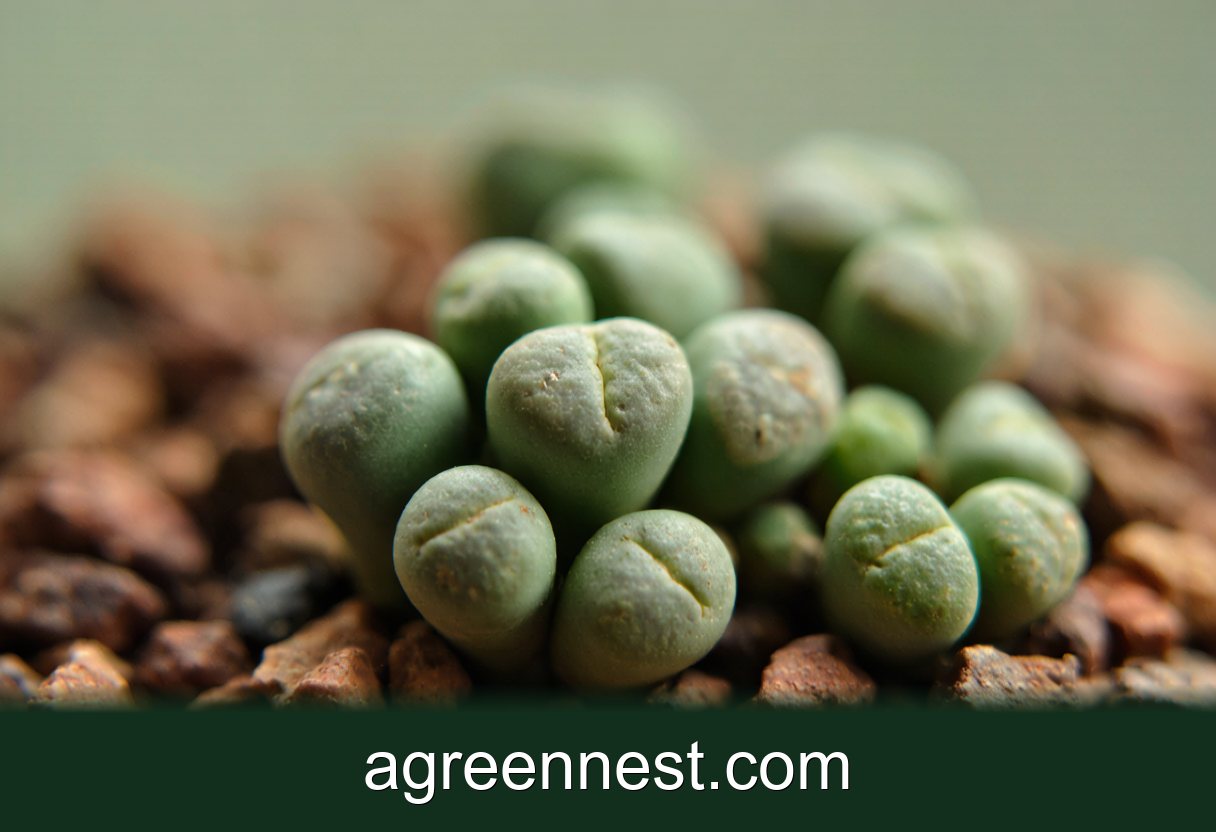
If you are new to Conophytum, keep it simple: bright, indirect light (a south or east windowsill is ideal), and water sparsely. These plants hate wet feet, so always let the soil dry completely between drinks (14 days between waterings). A shallow terracotta pot with gritty soil is the safest setup, and a bright windowsill does the rest.
When I first met a Conophytum, I thought someone had glued a pile of tiny pebbles to a saucer. These little succulents, often called cone plants or bum plants for their rounded paired bodies, march to a different drum. They grow in winter and sleep through summer, so their care calendar runs backwards from almost everything else on my windowsill.
Understanding Conophytum
A Conophytum is a dwarf succulent from southern Africa made of two fused leaves that look like a small pebble or cone. The pair splits open each year to reveal a new body and, in season, a cheerful daisy like flower.
My own favourite is Conophytum bilobum, which shows a deep fissure down the middle and often blushes red in bright light. Conophytum minusculum stays a flat green button, while Conophytum calculus is a smooth grey green pebble that flowers pink in late autumn. Each one looks more like a stone than a plant, which is exactly the charm.
Why the reverse schedule
In the wild these plants survive scorching summers by drying out and shrinking into the soil. They wake when cooler, damper winter arrives, which is why we water them then and not in summer.
How Much Light Do Cone Plants Need?
Give Conophytum bright light for at least 6 hours a day, including some direct morning sun. A south or east window keeps the bodies plump and encourages winter blooms.
During the winter growing season, maximum light supports flowering. In summer dormancy, bright but indirect light is fine because the plant is resting and not building tissue. I keep mine on an east sill where they get 2 hours of gentle sun before the curtain of afternoon heat.
When Should You Water Conophytum?
Water only in autumn and winter, roughly every 10 to 14 days while it is actively growing. The single most common mistake is watering in summer, which causes the bodies to rot and split.
From about June through August, keep the soil completely dry. The plant should look shrivelled, and that is normal. Resume light watering only when you see new growth in early autumn.
When you do water, soak the pot and let it drain, then wait until the soil is dry again. A moisture meter helps confirm the gritty mix has fully dried between drinks. I learned this the hard way after losing a Conophytum bilobum to a single July sprinkle.
What Soil Mix Works Best?
Use an extremely gritty mix, roughly three parts mineral grit to one part soil, so water vanishes fast. Shallow terracotta pots suit these small roots and keep the crown dry.
A drainage hole is mandatory. Conophytum bodies sitting in damp soil for even a few days in summer will collapse, so err on the side of too little water. I refresh the succulent soil mix every repot and never add extra peat, which only holds moisture where it does damage.
How Warm Should It Stay?
Conophytum enjoys 60 to 80°F (16 to 27°C) in its winter growing phase and tolerates cooler nights around 50°F (10°C). It wants dry air and dislikes humid, still rooms.
If your home stays above 85°F (29°C) in summer, give the resting plant extra shade and airflow. Cool, dry conditions protect it through dormancy. Mine sit on a breezy stair landing where the thermometer rarely climbs past 75°F (24°C) even in August.
Can You Propagate Conophytum Easily?
Conophytum is easiest from seed, which germinates in warmth after autumn sowing. Offsets can also be divided at repotting, though the plants are slow to form clumps.
Sow fine seed on the gritty surface, mist lightly, and keep bright but shaded until tiny bodies appear. Patience pays off, as seedlings take a full year to look like adults. My first batch took 14 days just to sprout, then another 11 months to resemble the parent.
Feeding and Repotting
Conophytum needs almost no fertilizer, especially because it grows on lean winter rainfall in the wild. If you feed, use a balanced liquid fertilizer at one quarter strength only once in early autumn as growth starts.
Never fertilize during the summer dry rest, and always water the soil lightly before applying any food. Excess nutrients push soft, weak growth that splits and rots, so restraint is the safer path.
Repot only every three to four years, or when the bodies crowd the shallow pot. Refresh the gritty mix and keep the same small pot size so the crown stays dry between winter drinks. Perform repotting in early autumn just as the plant wakes, then withhold water for a week so disturbed roots can heal.
Why Are My Plants Shrivelling?
Mushy, split bodies almost always mean summer water; stop immediately and let the plant dry. Failure to flower usually signals too little winter light. Mealybugs occasionally hide in the fissure, so inspect each pair of bodies weekly.
I once panicked when a Conophytum calculus flattened and wrinkled in July, then realised it was simply resting. A cool, dry shelf and no water for 8 weeks brought it back fatter than before.
Frequently Asked Questions
Q: When should I water Conophytum?
A: Water only in autumn and winter every 10 to 14 days, and keep the soil completely dry through the summer dormancy period.
Q: Why is my cone plant shrivelling in summer?
A: Summer shrivelling is normal dormancy; the plant rests dry and plumps up again once you resume autumn watering.
Q: How much light does Conophytum need?
A: Give at least 6 hours of bright light daily, including morning sun, especially during the winter growing and flowering season.
Conophytum teaches a valuable lesson: sometimes the best care is knowing when to do nothing. Check out our succulent care hub for more unusual growers, and use the free light calculator to give your winter bloomers the bright spot they crave.
Recommended Tools for Succulent Care
Free, no-signup helpers matched to this guide.
Free Ebooks to Explore
Downloadable handbooks — no email required.
Free Ebook
The AGreenNest Succulent Care Handbook
The complete, beginner-to-confident guide to growing fat, happy succulents — 10 chapters and a 20-plant directory.
Free Ebook
Haworthia & Haworthiopsis Care Handbook
A focused guide to the striped, forgiving Haworthia clan.
Sources & further reading
GreenNest authors research and write every guide independently. The external links below are reputable references we recommend for deeper reading — they are not the sources we copied from.
- NC State Extension — Plant Toolbox — NC State Extension
- Missouri Botanical Garden — Missouri Botanical Garden
- Aggie Horticulture (Texas A&M) — Texas A&M AgriLife
Share Your Plant Story
Grown something tricky, or found a trick that finally worked? Tell us in the comments, or see what other readers are sharing on our Community page. The best reader tips get folded back into our guides.

Join the Conversation
Have a tip or a question about Conophytum Care: Winter-Growing Cone Plants? Share it below — comments are saved on our server.